
ACTi A23 vs Geovision BX1500V-301U: Specification Comparison
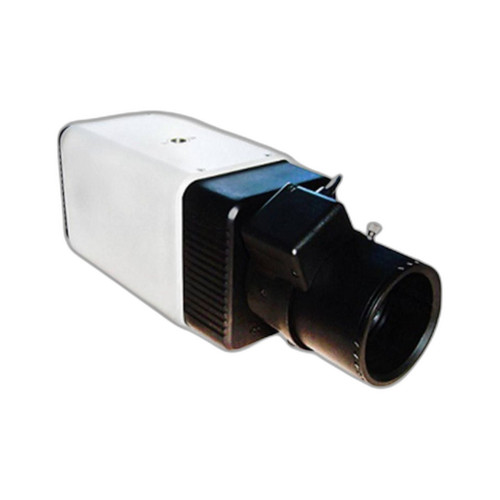
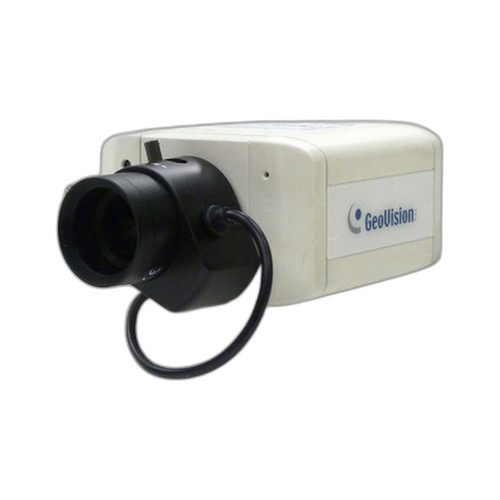
Both the ACTi A23 and Geovision BX1500V-301U are wired IP box cameras targeting indoor/outdoor surveillance installations where a varifocal lens and PoE simplify deployment. They share the same form factor, 802.3af PoE power budget, ONVIF compliance, and Day/Night operation — making them direct cross-shop candidates for installers specifying a budget-to-mid-tier box camera. The key differentiator is resolution: the A23 delivers 3 MP versus the BX1500V-301U's 1.3 MP, which drives most of the other trade-off discussion below.
In This Guide
How do the imaging specs compare?
The ACTi A23 captures at 3 MP, delivering noticeably more pixel density than the Geovision BX1500V-301U's 1.3 MP sensor. That resolution gap — roughly 2.3× more pixels — translates directly into wider coverage zones or tighter digital zoom headroom before forensic detail degrades. The A23 specifies a maximum frame rate of 30 fps at 1080p; the BX1500V-301U does not list a rated frame rate in the provided specifications. Both cameras feature varifocal lenses: the A23 provides a precisely specified 2.8–12 mm range at f/1.4–2.8, while the Geovision unit lists 'Varifocal F2.8-1' without a documented long-end focal length or full aperture range, limiting direct optical comparison.
For wide dynamic range, the A23 is rated Extreme WDR, a higher performance tier than the standard WDR noted for the BX1500V-301U — relevant in lobbies, parking garage entrances, or any scene mixing bright exterior light with shadowed interiors. The Geovision unit's specified advantage is Super Low Lux sensitivity, a low-light descriptor absent from the A23's provided specifications; neither camera lists a quantified minimum illumination value in lux, so a direct numerical low-light comparison cannot be made from the supplied data. Both cameras operate in Day/Night mode.
What about installation and environment?
Both cameras draw 13 W maximum and are powered via 802.3af PoE over standard Cat5e/Cat6 cabling with an RJ-45 connector, so they fit identically into existing PoE switch budgets without requiring midspans or local power drops. Neither camera's provided specifications include an IP ingress-protection rating, IK impact rating, or operating temperature range, meaning installers must consult full datasheets before specifying either unit for outdoor or harsh-environment use.
The A23 supports ceiling, wall, and corner mounting; the BX1500V-301U is specified for wall mounting only. For retrofit corner installations or ceiling-drop brackets, the A23's broader mount compatibility is a practical advantage. Both share a box form factor suited to housing or pendant-arm deployment.
Which fits your VMS and analytics better?
Both cameras are ONVIF-compliant; the Geovision BX1500V-301U specifically lists ONVIF Profile S, confirming baseline live-stream and PTZ-control interoperability with any Profile S-certified VMS. The A23 lists ONVIF without specifying a profile level in the provided specifications. Neither camera's specifications include edge analytics capabilities (motion detection algorithms, people counting, line crossing, etc.) beyond what standard ONVIF implies.
The A23 includes a built-in microphone and supports MicroSDHC and MicroSDXC edge storage, giving it local buffering capability for network-drop resilience. The BX1500V-301U's provided specifications list neither onboard audio nor local storage, though absence from the spec sheet does not conclusively confirm those features are absent from the hardware — installers should verify with the full Geovision datasheet. The A23 also supports H.265 alongside H.264, reducing storage and bandwidth consumption by up to ~50% compared to H.264-only pipelines; the BX1500V-301U is H.264 only per the provided specifications.
Which should you choose: the A23 or the BX1500V-301U?
Our take: The A23 is the stronger choice when image detail, codec efficiency, and integration flexibility are priorities. Its 3 MP sensor delivers approximately 2.3× the pixel count of the BX1500V-301U's 1.3 MP sensor, directly supporting wider coverage or tighter forensic crop. H.265 support cuts bandwidth and storage requirements versus the Geovision's H.264-only compression. The A23 also adds a built-in microphone and MicroSDHC/MicroSDXC edge storage — neither of which appears in the BX1500V-301U's provided specs — and supports ceiling, wall, and corner mounting versus wall-only on the Geovision. The BX1500V-301U's stated advantage is Super Low Lux sensitivity; if minimum-illumination performance in near-darkness is the primary criterion and 1.3 MP resolution is acceptable, it warrants datasheet-level comparison once lux figures are available. For most commercial installs where detail, codec savings, and VMS storage integration matter, the A23 is the better-specified option at the same 13 W PoE power budget.
Side-by-Side Comparison
Spec-for-spec, from manufacturer data.
| Specification | ACTi A23 | Geovision BX1500V-301U |
|---|---|---|
| Resolution | 3 MP | 1.3 MP |
| Lens / Focal Length | Varifocal 2.8–12 mm | Varifocal (range not specified) |
| Lens Aperture | f/1.4–2.8 | F2.8-1 (partial spec) |
| WDR | Extreme WDR | WDR |
| Min Illumination | — | Super Low Lux (no lux value given) |
| IR / Low Light Mode | Day/Night | Day/Night |
| Max Frame Rate | 30 fps @ 1080p | — |
| Video Compression | H.265; H.264 | H.264 |
| ONVIF | Yes (profile not specified) | Yes — Profile S |
| Power Input / PoE Standard | 802.3af | 802.3af |
| Max Power Draw | 13 W | 13 W |
| Connectivity | PoE (Cat5e/Cat6) | Ethernet — RJ-45 |
| Edge Storage | MicroSDHC; MicroSDXC | — |
| Audio | Built-in microphone | — |
| Mount Type | Ceiling; Wall; Corner | Wall |
Frequently Asked Questions
Which should you choose: the A23 or the BX1500V-301U?
The A23 is the stronger choice when image detail, codec efficiency, and integration flexibility are priorities. Its 3 MP sensor delivers approximately 2.3× the pixel count of the BX1500V-301U's 1.3 MP sensor, directly supporting wider coverage or tighter forensic crop. H.265 support cuts bandwidth and storage requirements versus the Geovision's H.264-only compression. The A23 also adds a built-in microphone and MicroSDHC/MicroSDXC edge storage — neither of which appears in the BX1500V-301U's provided specs — and supports ceiling, wall, and corner mounting versus wall-only on the Geovision. The BX1500V-301U's stated advantage is Super Low Lux sensitivity; if minimum-illumination performance in near-darkness is the primary criterion and 1.3 MP resolution is acceptable, it warrants datasheet-level comparison once lux figures are available. For most commercial installs where detail, codec savings, and VMS storage integration matter, the A23 is the better-specified option at the same 13 W PoE power budget.
Is the A23 or BX1500V-301U better for low light?
Based on the provided specifications, the Geovision BX1500V-301U lists a Super Low Lux sensitivity rating, which suggests strong low-light capability. The A23 does not include a comparable low-light descriptor or a quantified minimum illumination value in the supplied specs. Neither camera provides a numeric lux figure in the data provided, so a definitive low-light ranking requires consulting each manufacturer's full datasheet.
Will both cameras work with my existing ONVIF VMS?
Yes — both cameras declare ONVIF compliance. The Geovision BX1500V-301U specifically certifies ONVIF Profile S, confirming live video streaming interoperability with any Profile S VMS. The ACTi A23 also lists ONVIF support, though the specific profile level is not stated in the provided specifications. Verify profile level with ACTi's datasheet if your VMS requires Profile S or T compliance.
Can I record locally on either camera without an NVR?
The ACTi A23 supports MicroSDHC and MicroSDXC edge storage, enabling local recording without an NVR on the network. The Geovision BX1500V-301U does not list any onboard storage option in the provided specifications. If network-independent local buffering is required, the A23 has a clear advantage based on the available data.
Get a Second Opinion on Your Camera Choice
Share your site layout, coverage goals, and budget. Our team will validate the camera selection, flag anything we would change, and recommend products that match the use case.