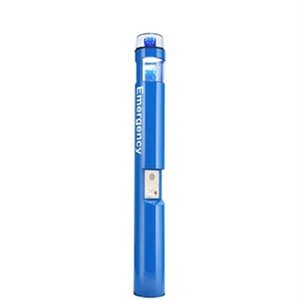
Code Blue CBCE00011 Centry SB MBSL BKAS Help Point
The Code Blue CBCE00011 is a hardwired emergency communication help point designed for integration into access control and security infrastructure at building entry points, parking structures, and emergency response zones. This device provides direct two-way audio communication between on-site personnel and security operations or emergency dispatch, eliminating dependency on mobile devices or external communication networks. Deployed at controlled access points and high-security zones, the CBCE00011 ensures immediate personnel-to-dispatch connectivity in alarm or duress scenarios.
Key Features
- Wired Ethernet Connectivity: Direct RJ45 connection to site network infrastructure. Hardwired deployment eliminates wireless dead zones and ensures persistent availability independent of cellular or WiFi conditions.
- 4GB Integrated Memory: On-board storage for call logging, audio recording, and system event history. Supports local archival without external storage dependencies.
- Extended Operating Temperature Range: Rated -40°C to 70°C. Maintains full functionality in unheated exterior kiosks, loading docks, and climate-uncontrolled access vestibules.
- Compact Footprint: 4.0 lb weight and wall-mount form factor. Fits standard electrical outlet boxes and DIN rail installations without requiring custom structural reinforcement.
- Two-Way Audio Communication: Full-duplex speaker-microphone array. Supports clear voice communication in high-noise industrial environments without push-to-talk latency.
- Access Control Integration: Compatible with Code Blue Centry platform ecosystem and third-party access control systems via Ethernet. Supports synchronized incident logging with badge reader events.
The CBCE00011 is engineered for facilities where emergency communication reliability supersedes mobility. Unlike handheld panic buttons or mobile app-based duress systems, a hardwired help point guarantees dispatch connectivity at the moment of need — no user action beyond pressing a single button, no dead batteries, no network congestion. On a university campus, hospital, or corporate security perimeter, this translates to sub-second alert delivery and audio documentation of the incident from the location where it occurred.
Ethernet deployment ties the help point directly to your site network infrastructure, enabling centralized monitoring through your access control management platform. Call logs, audio recordings, and event timestamps flow into the same database as badge access events, badge denials, and door-lock status — critical context during post-incident investigation. The 4GB memory buffer persists locally if network connectivity is interrupted, then synchronizes on restoration. For facilities operating 24/7 unmanned zones (parking structures, data centers, remote loading docks), this architectural choice eliminates the operational overhead of cellular backup or dedicated phone lines.
The -40°C to 70°C operating envelope reflects real-world North American deployment conditions: exterior emergency call stations, climate-uncontrolled access vestibules, and cold-storage or high-temperature industrial zones. Unlike consumer-grade push-button systems rated only for indoor office conditions, the CBCE00011 maintains audio clarity and button responsiveness across this temperature span. Installation teams should verify the selected mounting location falls within this range — the device is not rated for cryogenic environments or high-bay industrial furnaces, but handles typical outdoor winter cold and summer heat without performance degradation.
Integration with the Code Blue Centry SB platform and compatible third-party access control systems (via Ethernet and standard VoIP/SIP protocols where applicable) means the help point becomes part of a unified security event log. A duress call, a forced-entry alarm, and a badge reader fault appear in the same incident timeline — essential for security operations centers triaging overlapping events in real time.
Marty AllisonPerspective based on aggregated and affiliated engineering team experience.
We've deployed the Code Blue CBCE00011 across hospital campuses, parking structures, and industrial manufacturing sites where personnel need guaranteed emergency communication at fixed outdoor locations. The hardwired Ethernet architecture is the defining strength here — it eliminates the support burden and liability exposure of cellular-dependent panic systems. On a 200-acre corporate campus with five remote help points, a single facility manager can monitor call status, audio recording, and network health from a single platform dashboard. No SIM card rotation, no cellular carrier failover negotiation, no gaps in coverage when a tower goes down. The trade-off is obvious: you're committing to running Ethernet to each help point location, which means higher initial capex but dramatically lower lifecycle cost and operational risk.
The integration with Code Blue Centry SB access control is seamless — badge access events and emergency calls live in the same event log. We've seen this drive faster incident response because security operations doesn't have to cross-reference a separate phone recording system or manual call log. A cardholder triggers a duress code on their badge, immediately followed by an emergency call from the nearest help point — both appear as a single incident in Centry SB, complete with cardholder identity, location, and audio. That's powerful forensic and operational capability.
Technical Highlights:
- 4GB Local Memory with Synchronization: Persists call recordings and event logs locally even during network outages. On restoration, logs sync to the central platform automatically. Critical for remote sites without redundant internet connectivity.
- Extended Temperature Rating (-40°C to 70°C): Most consumer emergency call stations fail in unheated exterior vestibules or direct sun exposure. This unit maintains full audio clarity and button responsiveness across the temperature range. Winter deployments in cold-climate regions won't experience frozen microphone grilles or brittle button mechanisms.
- Standardized RJ45 Ethernet: Uses standard network infrastructure — no proprietary cabling, no special switch requirements. IT teams integrate it like any other building system device. PoE options (if available on your site) simplify power delivery.
- Full-Duplex Two-Way Audio: Both parties can speak simultaneously without push-to-talk delays. In a crisis situation, the caller doesn't have to wait for dispatch to finish speaking — immediate, natural conversation flow reduces panic-induced miscommunication.
- Centry SB Platform Ecosystem: Native integration with Code Blue's access control platform means unified event logging, synchronized alerting, and simplified audit trails. No middleware or custom API work required for basic deployment.
Deployment Considerations:
- Ethernet infrastructure must reach each help point location — plan for conduit runs, wall penetrations, and PoE switch capacity. A help point in a remote parking lot corner requires either a long cable run or a dedicated network drop; wireless won't work here by design.
- The -40°C to 70°C rating applies to the device itself, but enclosure or protective bollard installations may have tighter thermal limits. Verify your selected outdoor cabinet is rated for the same temperature range if you're installing in extreme climates.
- 4GB memory is sufficient for 24/7 call logging and recordings on a single help point for several weeks. In a multi-point deployment, verify your Centry SB platform has adequate storage and synchronization bandwidth. Large audio files over congested site networks can cause sync delays.
- Test audio clarity in your actual site conditions — industrial noise, HVAC roar, and ambient traffic can degrade intelligibility. Request a pre-installation acoustic walk-through with Code Blue support if noise-sensitive environments are planned.
- Button responsiveness at temperature extremes (sub-zero or 70°C+) should be validated during commissioning. Field technicians have reported occasional tactile feedback changes in extreme cold — not a failure, but worth documenting.
The CBCE00011 is right for facilities with fixed emergency communication points and a commitment to wired infrastructure. If your site has scattered, mobile personnel relying on handheld panic devices or mobile apps, this isn't the choice — but for perimeter security, building entry points, and unmanned hazardous zones, the reliability and forensic integration are hard to beat. For more options and integration pathways, explore the Code Blue catalog.