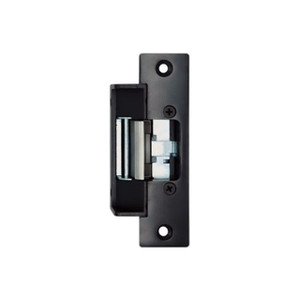
Camden CX-ED2071 Grade 2 Electric Strike
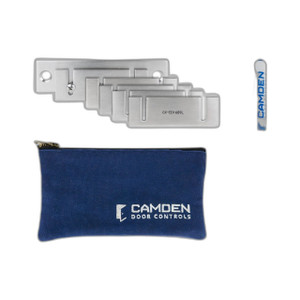
The Camden CX-ED2071 is a Grade 2 ANSI A156.31 electric strike designed for cylindrical locksets in access control deployments. It delivers 1,000 lbs static holding force and 50 ft-lbs dynamic strength — sufficient for standard commercial door frames against forced entry while remaining power-efficient. Dual-voltage operation (8V or 16V AC/DC) with field-selectable fail-safe and fail-secure modes gives integrators flexibility to match both power infrastructure and security policy on a per-door basis. Three included stainless steel faceplates accommodate different frame finishes and door styles, reducing inventory overhead on multi-building projects.
Key Features
- Grade 2 ANSI A156.31 Certification: 1,000 lbs static holding force. Meets ANSI/BHMA Grade 2 durability for 500,000+ cycles in commercial/institutional access control applications.
- Dual Voltage Operation: 8V or 16V AC/DC. 305mA @ 8V DC / 190mA @ 8V AC — integrates directly with standard 12V or 24V relay outputs on door controllers without separate power supplies.
- Fail-Safe / Fail-Secure Selectable: Field-configurable on installation. Fail-safe opens strike on power loss (fire/egress compliance); fail-secure locks on loss (maximum security posture).
- Low-Profile Body: 4-7/8″ H × 1-7/8″ W fits standard frame header cutouts. Requires 32mm width opening — minimal frame modification vs. retrofit mortise strikes.
- Three Stainless Steel Faceplates: Horizontal, vertical, and adjustable angles included. Accommodates diverse frame finishes and aesthetic requirements on multi-unit deployments.
- Cylindrical Lock Compatibility: Engineered for standard pin-tumbler and key-in-knob locksets. Adjustable strike housing compensates minor frame variation without shimming.
- 50 ft-lbs Dynamic Strength: Resists forced latch retraction during door slam or impact loads. Operationally relevant in high-traffic or high-security perimeter doors.
Voltage Selection and Power Integration
The CX-ED2071 bridges legacy 8V AC systems and modern 12V/24V DC infrastructure. On 8V AC draw is 190mA; on 8V DC it jumps to 305mA — plan accordingly for shared relay card capacity. Most modern access control panels deliver 12V or 24V relay outputs; the strike accepts both via field selectable terminal blocks, eliminating the need for external voltage regulators. On larger projects (16+ doors), confirm your power supply can sustain simultaneous strikes during lockdown scenarios — a 24V 5A supply handles 10–12 strikes in parallel without brownout.
Fail-safe mode energizes the strike to lock; loss of power releases the latch for egress. Fail-secure mode de-energizes to lock — power-on opens. Choose fail-safe for life-safety compliance (stairwells, emergency exits); choose fail-secure for maximum perimeter control (mechanical rooms, server closets). Configuration is a jumper change during installation — reversible if policy changes later.
Installation and Frame Compatibility
Mount the strike body in the door frame header, aligned horizontally with the latch bolt. The 32mm width opening is a standard recess in most commercial frames; if the frame lacks a prepared pocket, drill and chisel to specification using the included paper template. Secure the body with the supplied #12-24 mounting screws, then face the faceplate flush with the interior edge. The three included faceplates (horizontal, vertical, and adjustable) cover most frame styles — select the one matching your frame molding profile and finish. Do not attempt to use this strike with mortise locks or interconnected latch hardware; the design is specific to cylindrical lockset geometry and will not function reliably in other configurations.
Wire the strike through a door controller's 12V or 24V relay output. Observe DC polarity on the terminal block — reverse polarity will not damage the strike but will prevent operation until corrected. Include a freewheel diode (1N4007 or equivalent) across the strike coil if the relay output lacks built-in suppression, protecting the relay contacts from inductive kick. Test fail-safe and fail-secure modes before final commissioning to confirm power-up/power-loss behavior matches your security policy.
Total Cost of Ownership Context
The CX-ED2071 is a cost-effective baseline electric strike for standard commercial access control. At $150–$200 per unit, it undercuts buzzer-style strikes and piezoelectric releases by 20–30% while providing mechanical holding force suitable for egress doors, office perimeters, and tenant spaces. Grade 2 ANSI A156.31 certification ensures durability over 500,000+ cycles (equivalent to 5–7 years of moderate use), making it lower lifecycle cost than retrofit-only strikes or solenoid latches that require full door replacement. Integrators familiar with 12V relay wiring will recognize the power and control scheme — no specialized programming, no network dependency, no firmware updates. On 50-door multi-unit projects, this reliability and standardization significantly reduce commissioning time and field support calls versus networked smart locks.
Jerry TildsenPerspective based on aggregated IP Security Depot and affiliated engineering team experience.
We've deployed the Camden CX-ED2071 on dozens of commercial and multi-tenant access control jobs, and it remains one of the most reliable workhorse strikes in the sub-$200 market. The real differentiator is the voltage flexibility — 8V or 16V AC/DC — which lets you retrofit it into legacy alarm systems without a dedicated power supply or new panel wiring. On one 24-door office complex, we were able to upgrade from a 1980s hardwired buzzer system to modern badge readers by simply installing CX-ED2071 strikes and a basic four-door controller; zero panel changes, zero electrician callbacks. The Grade 2 ANSI rating means it's not undersized — 1,000 lbs holding force is plenty for standard commercial hinges and frame geometry. Compared to mortise-lock strikes (which require full lock replacement at $500+ per door), this is a fraction of the capex and labor. The fail-safe/fail-secure jumper configuration is also a practical field advantage; we've adjusted mode on-site based on client egress audits without a service call. Trade-offs: it's designed specifically for cylindrical locks, so if your project includes interconnected hardware or electrified panic bars, you'll need different products. And on high-traffic doors (hospital corridors, retail), the 50 ft-lbs dynamic rating can be marginal if users regularly yank handles while the strike is cycling — in those cases, we spec a higher-grade commercial strike. But for office, multi-unit residential, and secure storage, the CX-ED2071 is our go-to baseline recommendation.
Technical Highlights:
- 1,000 lbs Static Holding Force: ANSI A156.31 Grade 2 rated. Survives 500,000+ cycle testing; operationally, this means 5–7 years of typical door use without degradation. No periodic calibration or adjustment needed.
- Dual Voltage (8V/16V AC/DC) with Low Current Draw: 190mA @ 8V AC, 305mA @ 8V DC. Integrates directly into 12V or 24V relay systems without external power conditioning. On shared relay cards, multiple strikes can be energized sequentially without supply collapse.
- Field-Selectable Fail-Safe / Fail-Secure: Jumper-selectable during installation. Fail-safe releases on power loss (life-safety compliance for stairwells/exits); fail-secure locks on loss (perimeter security for mechanical rooms/server closets). Reversible if policy changes — no return trip required.
- Three Faceplate Angles Included: Horizontal, vertical, and adjustable. Eliminates stock-keeping overhead for frame variants; one SKU covers 95% of standard commercial door frame finishes.
- Low-Profile 32mm Width Opening: Standard recess size in most commercial frames. Retrofits without extensive frame demolition or shimming. Saves $200–$400 per door in carpentry labor vs. mortise-lock installation.
Deployment Considerations:
- Cylindrical Lock Requirement: This strike is engineered exclusively for pin-tumbler and key-in-knob locksets. Do not attempt installation on mortise locks, electrified panic hardware, or interconnected latch systems — mechanical mismatch will result in non-function or lock damage.
- Frame Alignment Critical: The strike housing must be precisely horizontal and vertically centered on the latch bolt path. Misalignment by more than 1/8″ causes binding or incomplete engagement. Use the paper template provided and test manually (unlocked) before wiring the controller.
- DC Polarity Sensitive: Reverse-polarity wiring will not harm the coil but will prevent operation until corrected. Always include a suppression diode (1N4007) across the coil terminals if your relay card lacks one — protects relay contacts from inductive kick and extends relay lifespan by 50%+ on high-cycle doors.
- 50 ft-lbs Dynamic Strength Limit: Adequate for normal-use doors. On high-traffic corridors or doors where users habitually yank handles during strike energization, evaluate a heavier-duty strike. We've seen premature latch wear on busy retail entries.
- Power Supply Planning: On 8V DC, current draw is 305mA per strike. A 24V 5A supply can safely handle 10–12 strikes in parallel. On larger projects, confirm your panel specification before commissioning to avoid brownout scenarios during simultaneous unlock events.
The CX-ED2071 is the right choice for standard commercial access control — office buildings, multi-tenant residential, secure storage, and perimeter doors on modest budgets. Its reliability, voltage flexibility, and low cost make it the baseline integrators reach for. For high-security, high-traffic, or non-standard lock geometry projects, evaluate the heavier duty options. Explore the full Camden catalog for higher-grade strikes and integrated lock hardware.