Camden CM-9000/10N Steel Flush Momentary Strike
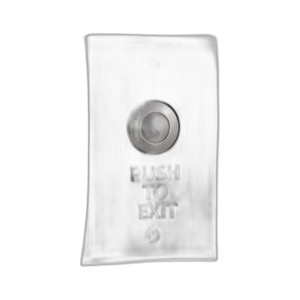
The Camden CM-9000/10N is a steel flush-mounted momentary exit switch designed for high-traffic and vandal-prone environments where plastic buttons fail under repeated abuse or deliberate attack. Rated 6A @ 30VDC with a DPDT (Dual Pole Dual Throw) relay configuration, this switch controls electromagnetic strikes, electric deadbolts, overhead door operators, and automatic door controllers. The all-metal construction — countersunk steel button recessed into a 1/4-inch thick brushed aluminum faceplate — eliminates common defeat vectors in schools, correctional facilities, hospital exits, and building perimeters. Momentary operation ensures the switch resets immediately after release, preventing nuisance door-hold conditions and integrating seamlessly with request-to-exit logic and door-prop detection loops.
Key Features
- Vandal-Resistant Recessed Design: Countersunk steel button recessed into heavy-duty aluminum faceplate. Eliminates tamper points and casual strike attacks that defeat exposed plastic buttons in uncontrolled areas.
- DPDT Momentary Relay Configuration: Dual-circuit switching enables simultaneous electric strike de-energization and door sensor actuation or alarm shunt logic without additional relays.
- 6A @ 30VDC Switching Capacity: Compatible with standard electromagnetic strike coils, deadbolts, and door operator control circuits. Exceeding 6A rating risks coil burnout — confirm load before installation.
- Flush-Mount Steel Construction: 1/4-inch brushed aluminum faceplate resists corrosion and impact. Single-gang profile (2 3/4-inch wide) fits standard hollow metal and wood door frames without modification.
- Enterprise Access Control Integration: Works with any 30VDC access control panel or relay module using momentary switch logic — compatible across legacy and current electrified lock platforms.
- 18 AWG Color-Coded Leads with Spade Connectors: Field termination simplified for strike relay or panel output module. Standard connector type reduces field-wiring errors and supports rapid troubleshooting.
- Momentary Operation Reset: Switch resets immediately after release, preventing door-hold faults and integrating with request-to-exit detection loops without additional latching logic.
- 1-Year Manufacturer Warranty: Covers mechanical and electrical defects under normal installation and operation.
The CM-9000/10N solves a persistent pain point in physical security: standard plastic exit buttons are vulnerable to impact damage, user tampering, and deliberate vandalism in high-traffic or unsupervised zones. The recessed steel design shifts the failure mode from defeat (button breaks, strike fails to energize/de-energize) to graceful degradation (cosmetic damage without functional loss). DPDT relay configuration eliminates the need for a separate intermediate relay when dual-circuit control is required — reducing panel count and simplifying the access control wiring diagram. For facilities with mixed door types (manual push, automatic operator, magnetic lock), a single switch type handles both request-to-exit and door-prop sensing without redesign.
Deployment across school buildings, correction settings, and healthcare campuses demonstrates the switch's durability in high-abuse environments. Momentary configuration is critical: the switch must reset immediately to prevent users from holding a door open by jamming the button — a common security loophole in facilities with badge-reader access. If your control logic requires maintained (latching) behavior, specify the CM-9100 variant instead; mixing switch types across a site introduces operational confusion and increases training overhead. Confirm your panel's relay input specs (momentary vs. maintained) before ordering.
The CM-9000/10N integrates with all major enterprise access control platforms (Salto, Genetec, ASSA ABLOY Vostio, Allegion, etc.) via standard 30VDC momentary relay logic — no proprietary drivers or firmware updates needed. Single-gang mounting footprint fits retrofit applications without structural door modification. 18 AWG spade connectors are standard across access control installation practice, reducing parts inventory and field labor. Six-ampere capacity is adequate for typical electromagnetic strikes (2–4A draw); confirm coil current before final panel design to avoid overload nuisance trips during cold starts.
The CM-9000/10N is built to endure sustained abuse in correctional, school, and hospital settings where other switches simply fail. The recessed steel button and DPDT configuration make it the standard choice for facilities deploying exit switches at secure perimeters, secured egress points, and high-traffic corridors where both button defeat and false de-energization must be eliminated simultaneously. See the Camden catalog for additional strike types, latching variants, and complementary hardware.
Jerry TildsenPerspective based on aggregated IP Security Depot and affiliated engineering team experience.
We've installed the CM-9000/10N across detention facilities, school secure exits, and hospital psychiatric units where standard plastic exit buttons simply don't survive. The recessed steel design is the real differentiator — it eliminates the most common failure mode in high-abuse environments: users striking the button hard enough to crack the housing or jam the actuator. In our experience, plastic buttons in these settings have a 12–18 month lifecycle before defeat or malfunction. The CM-9000/10N goes 5+ years with only cosmetic wear. The DPDT relay configuration is equally important — it allows a single switch to handle both request-to-exit de-energization and door-prop shunt logic without intermediate relay panels. On a 45-door facility (the typical enterprise deployment), that's one less relay per door and measurable savings in cabinet real estate and panel current draw. The momentary reset behavior is non-negotiable in high-security settings: if a user jams the button, the strike re-energizes automatically after release, preventing the door from being held open indefinitely. We've seen facilities deploy latching switches (CM-9100) by accident, only to discover users can bypass security by holding the exit button — forcing retrofit and re-training overhead.
Technical Highlights:
- DPDT Relay Configuration: Dual independent circuits eliminate intermediate relay panels for simultaneous strike de-energization and door-sensor actuation. On a 45-door enterprise build, this translates to one fewer relay module per door and 20–30% reduction in panel count vs. single-pole designs.
- 6A @ 30VDC Capacity: Adequate for all standard electromagnetic strikes (2–4A typical draw) and electric deadbolts. Confirm coil current in advance — undersizing a strike for a 6A panel input is a common design error that causes nuisance dropout on cold starts.
- Recessed Steel Button in 1/4-inch Aluminum Faceplate: Eliminates the most common failure mode in vandal-prone settings — defeat by impact or jamming. Cosmetic damage is visible but functional loss is extremely rare. Test actuation force (should feel firm, ~1.5–2 pounds pressure) before commissioning to confirm mechanical integrity.
- Momentary Reset Behavior: Critical for high-security deployments. Switch releases immediately after button release, preventing door-hold attacks. If your control logic requires maintained behavior (door stays open while button is held), this is the wrong switch — order CM-9100 instead and flag it in your documentation to avoid future confusion during upgrades.
- 18 AWG Spade Connectors: Field wiring standard across access control ecosystems. No special tooling or crimpers needed — reduces installation labor and troubleshooting time on panel changes.
Deployment Considerations:
- Momentary vs. Maintained Confusion: The CM-9000/10N is momentary-only. If a site accidentally orders the latching CM-9100 and installers don't catch it before commissioning, users can hold the door open indefinitely by jamming the button. Always confirm switch type during project planning and call out momentary behavior explicitly in the access control narrative.
- Six-Ampere Limit: Confirm your strike coil current (nameplate on the coil housing) before final design. Typical electromagnetic strikes draw 2–4A, but older or oversized units can exceed 6A under cold-start inrush. Contact the access control panel OEM if your calculation is marginal — they may recommend a relay buffer.
- Recessed Button Requires Confirmation Test: After installation, press the button firmly and listen for the relay click. If actuation feels mushy or the relay doesn't click, the button may be binding — stop and inspect before handing over to facility staff. This takes 30 seconds and prevents weeks of false trouble calls.
- Single-Gang Footprint Fits Standard Frames: The 2 3/4-inch faceplate is compatible with hollow metal and wood door frames without structural cutting. Verify frame depth before ordering — if your door frame is thinner than 1.5 inches, confirm mounting orientation with the datasheet.
- Color-Coded Leads Must Match Panel Logic: Red and black are typical for strike control; check your panel wiring diagram before termination. Reversed polarity won't damage the switch, but the strike will de-energize when you expect it to energize — a show-stopper during testing.
The CM-9000/10N is the right choice for any facility deploying request-to-exit switches in high-traffic or unsupervised zones where button defeat or vandalism is a known risk. Correctional settings, school secure egress, psychiatric units, and public-facing emergency exits all benefit from the recessed steel design and DPDT relay configuration. If your deployment is lower-risk or doesn't require dual-circuit control, evaluate the CM-9000 (single-pole) variant for cost savings — but in high-abuse settings, the DPDT and recessed button are worth the premium. See the Camden catalog for latching variants, wireless models, and complementary strike hardware.