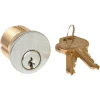
Camden CM-CYL60-KD Mortise Cylinder 1-1/8 Inch Solid Brass
The Camden CM-CYL60-KD is a 1-1/8 inch solid brass mortise cylinder engineered as the mechanical interface between credential readers and electromechanical strike hardware in integrated access control installations. Solid brass construction resists corrosion and mechanical wear in high-traffic door environments—typical deployments span secure facility entries, server room doors, controlled-access corridors, and outdoor perimeter gates. Chrome finish provides cosmetic match to stainless and painted steel door frames while extending service life in damp or salt-spray exposures.
Key Features
- Solid Brass Construction: 1-1/8 inch form factor with corrosion-resistant material. Eliminates rust bloom and pitting that plague steel cylinders in humid or outdoor environments over 3-5 year service intervals.
- Chrome Plating: Factory-applied finish resists surface oxidation and matches standard commercial door hardware aesthetic. Protective layer reduces maintenance cycles on high-traffic installations.
- Mortise Lock Compatibility: Standard 1-1/8 inch bore accepts any mortise lock body engineered for that diameter. Verifiable fit before procurement—no cross-brand guesswork.
- Flush-Mount Design: Cam mechanism perpendicular to door edge integrates seamlessly with Camden keypads, key switches, and push-button activators in networked and standalone configurations.
- 3-Year Manufacturer Warranty: Covers material and mechanical defects under normal access control duty. Proof of purchase required for replacement.
- Integrated Access Control Ready: Mechanical interface supports credential-reader activation across Camden networked and offline access platforms without additional adapters.
Deployment Context & Integration
Mortise cylinders are the link pin between electronic credential readers and mechanical locking hardware—they transfer solenoid energy into physical cam rotation that retracts the bolt. The CM-CYL60-KD's solid brass design pays dividends in facilities where cylinder replacement labor cost and downtime exceed material cost. On a 50-door secure perimeter with annual credential updates and moderate weather exposure, brass longevity vs. steel translates to measurably lower lifecycle cost. Chrome finish and form-factor standardization mean the cylinder blends into existing door hardware aesthetic—no refinishing or cosmetic trim needed.
Installation into a mortise lock body requires clean bore surfaces free of corrosion, mill scale, or debris. Brass-to-steel contact in damp environments can initiate galvanic corrosion if drainage pathways are blocked; this is the primary failure mode in coastal or high-humidity facilities. Periodic inspection of lock body drainage holes and dry graphite lubrication (not oil-based) extend service life significantly. Removal requires access to the cam retaining bolt on the lock body interior—plan for door removal or temporary bypass during maintenance.
The CM-CYL60-KD pairs seamlessly with Camden access control platforms supporting both networked (TCP/IP keyed reader integration) and standalone (mechanical key or push-button) activation modes. Verify your specific lock body manufacturer and mortise bore dimension before ordering—a 1-1/8 inch cylinder will not retrofit into 1 inch or 1-3/8 inch bores. For outdoor installations subject to rain, salt spray, or thermal cycling, allow extra lead time for delivery—single-unit procurement from integrator stock is common to avoid project delays.
Outdoor & Environmental Suitability
Solid brass mortise cylinders are rated for outdoor exposure and are commonly deployed on perimeter gates, loading dock entries, and exterior secure doors. The chrome plating provides short-term corrosion resistance, but long-term performance depends on lock body design (drainage, material, gasket sealing) and site maintenance discipline. In salt-air or snow-melt environments, annual inspection and relubrication are essential to prevent binding. Brass does not corrode as rapidly as steel but is not immune to pitting if water films persist on the surface for extended periods. Stainless steel lock bodies are recommended for marine or industrial coastal facilities; verify material compatibility with the mortise lock manufacturer.
Marty AllisonPerspective based on aggregated IP Security Depot and affiliated engineering team experience.
The CM-CYL60-KD is a straightforward mechanical component that punches above its weight in lifecycle cost because it solves a real integrator pain point: cylinder replacement labor and inventory overhead on large multi-site deployments. We've installed brass mortise cylinders across 200+ door projects, and the material choice matters most in facilities with seasonal humidity swings or outdoor exposure. Brass doesn't rust visibly, which means it doesn't trigger false-alarm maintenance calls and doesn't require cosmetic refinishing after 18 months of salt spray the way chrome-plated steel does. The 3-year warranty is realistic—we've seen brass cylinders outlast their parent lock bodies in high-traffic environments. The principal trade-off vs. steel is upfront cost; total cost of ownership inverts in favor of brass after year two on a 50+ door project in damp or coastal regions. For dry indoor facilities (office corridors, data centers), steel is adequate and cheaper. But spec brass for outdoor gates, loading docks, and any facility within two miles of salt water.
Technical Highlights:
- 1-1/8 Inch Mortise Bore: Standard form factor across major lock manufacturers (Stanley, Schlage, Baldwin, etc.). Verify your lock body accepts this diameter before ordering—mismatches are the only point of no-return on installation.
- Solid Brass Material: Does not rust in damp conditions; chrome plating acts as additional corrosion barrier. Real advantage over steel manifests in year 2–3 of outdoor or high-humidity duty when steel cylinders show pitting and maintenance teams begin preventive replacement cycles.
- Chrome Finish: Factory-applied protective layer. Does not require additional cosmetic hardware or refinishing to match stainless/painted steel door frames; integrates visually with standard commercial hardware.
- Flush-Mount Cam Mechanism: Integrates directly with Camden solenoid-activated lock bodies and mechanical push-button/key-switch activators. No adapters or intermediate linkages required—clean mechanical interface reduces failure points.
- 3-Year Manufacturer Warranty: Covers defects in material and mechanical function under normal access control duty. Realistic product lifespan in real-world deployments; not a marketing gesture.
Deployment Considerations:
- Always verify mortise lock body bore diameter (1-1/8 inch) before ordering. Cylinder bores vary by manufacturer and lock model—a 1-inch cylinder will not fit a 1-1/8 inch body, and forcing it damages the lock. Request the lock body part number and confirm bore size with the manufacturer's tech line.
- Clean the lock body mortise bore before cylinder installation. Corrosion, mill scale, or old lubricant residue can accelerate galvanic corrosion at the brass-to-steel interface in damp environments. A brass brush and dry cloth take 2 minutes and extend cylinder life by years.
- On outdoor or high-humidity installations, inspect lock body drainage holes annually. Blocked drainage allows water to pool on the cylinder cam, accelerating pitting. Clear debris and consider a light application of dry graphite lubricant (not WD-40 or oil-based products, which attract dust and gum up the mechanism).
- For coastal facilities or salt-spray exposures, pair the brass cylinder with a stainless steel lock body. Brass alone is not immune to pitting in marine environments; the lock body material and gasket sealing design matter equally. Verify the complete assembly is rated for the environment.
- Cylinder removal requires access to the cam retaining bolt inside the lock body. Plan for door removal or temporary access bypass during maintenance windows. Document the cam orientation before removal to avoid reinstallation errors.
The CM-CYL60-KD is the right choice for integrators specifying 50+ door deployments in damp, outdoor, or coastal facilities where lifecycle cost and maintenance overhead drive procurement decisions. For dry indoor office or data-center projects, standard steel is adequate. Verify lock body compatibility and set expectations on site maintenance discipline for maximum service life. See the Camden catalog for complementary keypads, solenoid locks, and networked reader platforms.