
Best UPS for Retail POS Systems
UPS for retail point-of-sale — keeping registers, payment terminals and network gear online through outages, with compact form factors for the counter or back room.

Eden Phillips
Networking & Infrastructure Specialist · Working integrator
Bottom line
Retail POS UPS selection hinges on runtime needs, form factor, and management. A 1500VA unit typically covers registers, terminals, and network gear for 15–25 minutes of orderly shutdown; choose rack/tower for back-room density or desktop for counter placement, and verify management ports match your monitoring setup.
What This Setup Needs
POS environments need fast failover, compact footprints, and reliable battery runtime. Here's what actually matters when choosing:
- Runtime vs. Load. Map your actual draw: typical POS registers pull 200–400 watts. A 1500VA unit at half-load gives roughly 20 minutes; 1000VA gives 10–15. The math: (VA × 0.6) ÷ wattage = minutes. Size up if you need time for graceful shutdown or data sync.
- Form Factor & Space. Rack/tower models fit tight back rooms but need shelf space; desktop units sit on counters but consume floor real estate. Measure your actual placement first—a 2U rack unit won't fit a 19" cabinet if you have only 1U free.
- Battery Replacement & Total Cost of Ownership. Internal batteries last 3–5 years. Verify replacement cost and availability before buying—some models are cheaper upfront but expensive to maintain. Ask your integrator for the 5-year TCO estimate.
- Connectivity & Management. USB-only management limits remote monitoring; Ethernet/SNMP ports let you centralize alerts across multiple stores. For single-register deployments, USB is fine. Multi-terminal sites benefit from networked units.
- Operating Temperature Range. Retail spaces vary (stockrooms can hit 100°F+, or stay near freezing in winter shipping areas). Check that rated temps match your site—undersized thermal range reduces real-world battery lifespan.
- Line-Interactive vs. Online. Line-interactive (SMX, CyberPower, Vertiv models here) switches to battery on outage—adequate for POS. True online topology costs more; skip it for retail unless you have medical-grade uptime demands.
- Receptacle Count & Type. Count outlets needed: registers, card readers, network switch, modem. Most 1500VA models have 8–10 outlets; check that high-current devices (like checkout scanners) don't share a single outlet pair, which can trip breakers under load.
Our Picks
Selected from our catalog by spec-fit. All channel-direct and factory-new — not ranked by price.
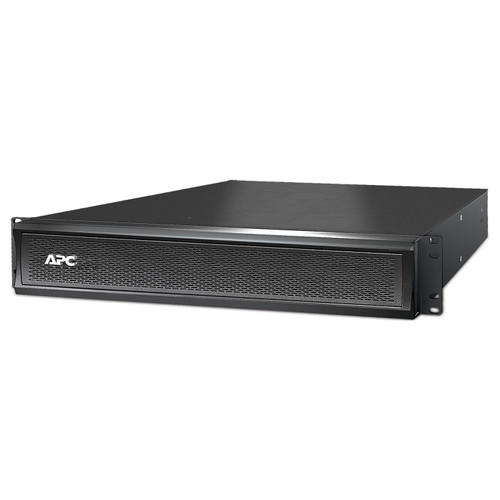
APC by Schneider Electric SMX1500RMI2U
1500VA
APC's 1500VA 2U rack model is well-suited for centralized back-room POS infrastructure—multiple terminals, network gear, and payment processors sharing a single battery backup. Compact footprint for standard 19" racks; line-interactive switching handles typical retail outages without oversizing. Good fit if your POS hardware sits in a single enclosed space.
View product →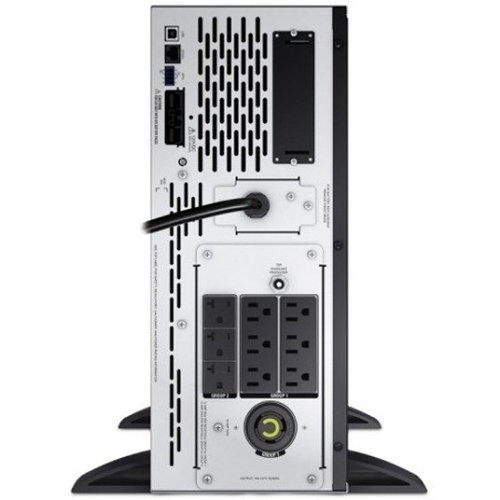
APC by Schneider Electric SMX2000LV
2000VA
At 2000VA, the SMX2000LV covers larger POS deployments—3 to 5 registers plus network infrastructure—or sites requiring 30+ minutes of runtime. Rack/tower design with LCD display for standalone visibility. Choose this if single-unit backup for an entire POS zone is a priority and you have the cabinet or utility space.
View product →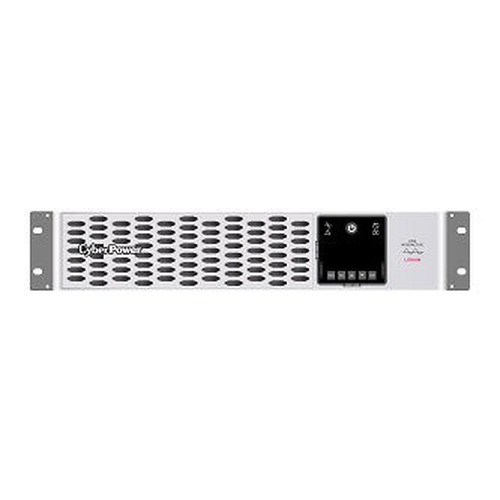
CyberPower PRL1500RT2UC
1500VA
CyberPower's 1500VA rack/tower unit balances capacity and footprint for mid-size retail sites. Operating range of 32–104°F covers most indoor retail and back-room conditions. A strong fit when integrating multiple POS terminals with centralized network gear and you want vendor flexibility over APC.
View product →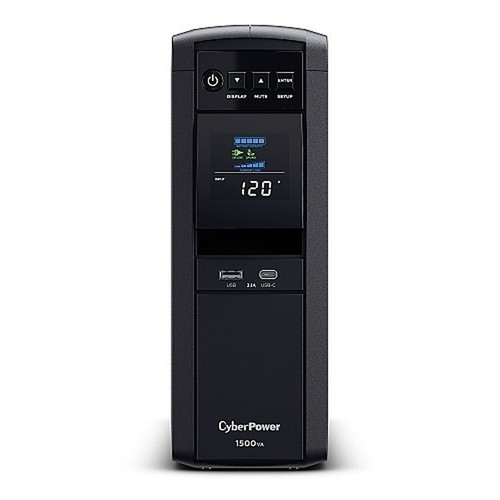
CyberPower PR1000RTXL2UC
1000VA
CyberPower's 1000VA model suits single-register or dual-terminal deployments with modest runtime (10–15 minutes at typical POS load). Compact rack/tower form and the same thermal operating range make it cost-effective for smaller storefronts or multi-unit retailers standardizing on one supplier.
View product →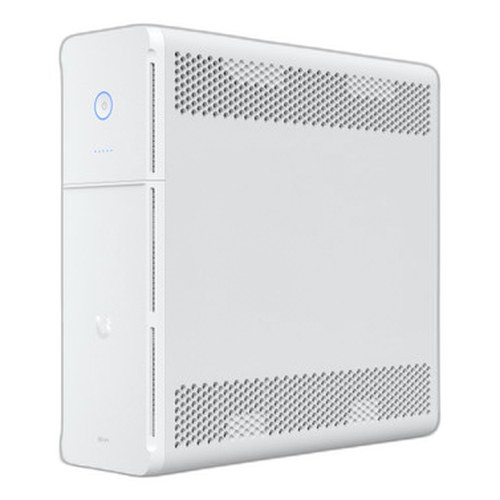
Ubiquiti UPS-TOWER-US
1kVA
Ubiquiti's 1kVA desktop unit is purpose-built for counter-mounted or open-rack POS setups where vertical space is tight. Single wired management port limits remote monitoring; well-suited for standalone register stations or stores without centralized infrastructure monitoring. Check that 0–40°C operating range covers your climate control.
View product →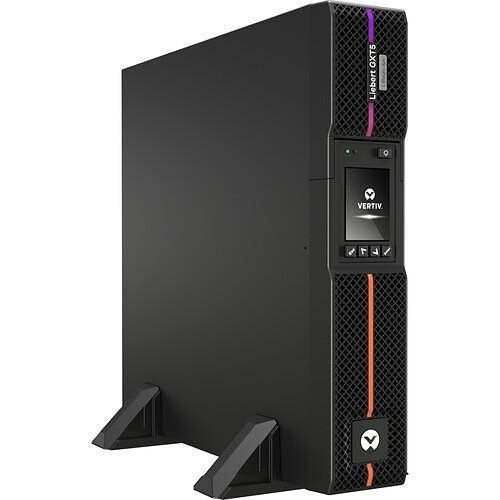
Vertiv GXT5-1000LVRT2UXL
1000VA
Vertiv's 1000VA unit is a solid mid-market choice combining compact footprint with USB management for basic monitoring. Adequate for single or dual-register sites paired with network gear. Good alternative if you prefer Vertiv channel support or have existing Vertiv infrastructure elsewhere in the facility.
View product →Frequently Asked Questions
How do I calculate whether a 1000VA or 1500VA UPS is enough for my POS setup?
List every device: each register, card terminal, barcode scanner, network switch, modem. Check the power label (watts) on each; typical registers draw 150–250W, switches 30–50W. Add them up—most small-to-mid retail sites total 400–600W. A 1500VA unit at 60% capacity (safe operating band) delivers roughly 20 minutes of runtime; 1000VA gives 12–15 minutes. If you need 30+ minutes for graceful data sync and operator notification, upsize to 2000VA.
Do I need Ethernet/SNMP management, or is USB enough?
USB is fine if you have one or two POS units and check the UPS display occasionally. Ethernet+SNMP becomes necessary when you run multiple stores, remote locations, or an integrated POS network—you'll want centralized alerts and automated shutdown triggers. The APC SMX models include network cards; CyberPower and Vertiv offer USB as standard, with optional Ethernet cards. Plan for it upfront; retrofitting is awkward.
How often do UPS batteries need replacement, and what's the cost impact?
Internal sealed-lead-acid batteries in retail UPS units last 3–5 years depending on temperature and duty cycles. Replacement typically costs $150–400 per unit. A 1500VA APC battery module runs ~$250–300; CyberPower and Vertiv are similar. Budget for battery swap every 4 years in your TCO; if a site runs 10 UPS units, that's a $1500–4000 maintenance cycle. Ask your integrator for the actual replacement part number and confirm it's in stock regionally.
What's the difference between line-interactive and online UPS for retail?
Line-interactive (all models recommended here) switches to battery during an outage—slight delay (4–10ms), imperceptible to POS. Online topology filters power continuously but costs 40–60% more and generates more heat. For retail POS, line-interactive is the industry standard and sufficient; online is overkill unless you're backing up medical equipment or high-frequency trading terminals.
Can I put a UPS in a hot stockroom or cold shipping area?
Check the operating temperature spec: most APC/CyberPower models handle 32–104°F (0–40°C), which covers standard retail climates. If your stockroom hits 110°F or a cold storage zone runs below freezing, battery life degrades 25–50% and efficiency drops. The Ubiquiti model has a narrower 0–40°C range; avoid it in heated spaces. Specify climate-controlled placement if possible, or choose units rated for extended temperature swings.
If the power goes out, how long until my registers go dark?
A UPS buys you runtime only—not infinite power. A 1500VA unit at 600W load runs roughly 20–25 minutes before batteries deplete. Your goal is to complete active transactions, notify customers, and trigger an orderly shutdown (or data sync to cloud). Modern POS systems with integrated inventory systems should sync in the last 5 minutes. Set up automated alerts via USB/Ethernet so staff know exactly how much time they have; don't wait for the UPS alarm chirp.
Related Resources
- UPS comparisons — head-to-head spec matchups
- UPS Buying Guide for Network & Security Systems
- Best UPS for a Network Rack or NVR
- Best UPS for a Server Room
- All product comparisons
Speccing this for a project?
Send us your requirements and our senior specialists will confirm specs, compatibility, availability and pricing — free, usually within one business day. Channel-direct, factory-new, serving commercial integrators since 2014.
Get a Free QuoteComparing for a project?
Send us the models you are weighing and our team will confirm specs, compatibility, availability, and pricing — free, usually within one business day.