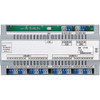
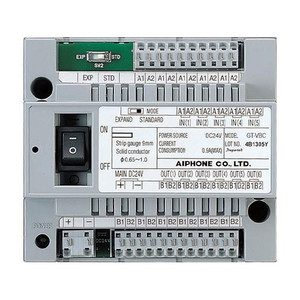
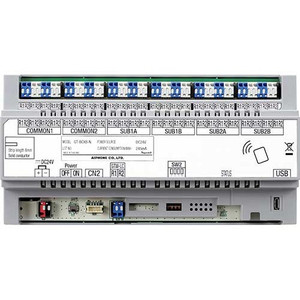
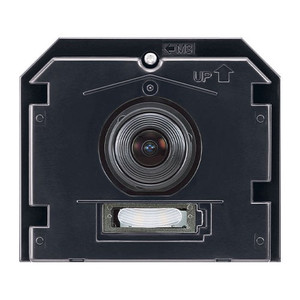
Aiphone GT-VBX Expanded Video Bus Control Unit
Overview
The Aiphone GT-VBX is an expanded video bus control unit designed to integrate into intercom and security installations where centralized video signal management is required. As a wall-mounted control node on supplied DIN rail hardware, the GT-VBX (often searched as GT VBX) sits at the center of a distributed intercom topology, routing video feeds from multiple endpoints to displays, recording systems, or downstream switching infrastructure. This is the right choice when you need to consolidate video paths in a multi-station intercom deployment without introducing single points of failure or bandwidth bottlenecks.
Key Features
- 4K Resolution Support: The unit supports 4096x2160 video throughput, allowing you to integrate with modern high-resolution cameras and displays without downstream compression or quality loss. This matters if your facility standards or regulatory requirements call for evidence-grade forensic detail.
- DIN Rail Wall Mount: Supplied mounting hardware integrates with standard 35mm DIN rail, letting you install the GT-VBX in a control cabinet or wall-mounted rail assembly. No custom fabrication needed — a standard infrastructure choice for commercial security installs.
- Expanded Bus Architecture: The "expanded" designation indicates support for multiple video inputs and outputs simultaneously, handling the signal distribution load in larger intercom networks. This prevents bottlenecking that would force you to add additional control units or stage video feeds in sequence.
- Centralized Video Routing: By acting as the video hub, the GT-VBX simplifies wiring logic in complex installations. Rather than running individual video lines from each intercom station to each display or recorder, you run to the GT-VBX once, then route internally — reducing cable runs and termination points in the field.
- Integration-Ready Design: The control unit is built to work within Aiphone's intercom ecosystem, accepting standard video bus signals from compatible stations and relaying them to displays, NVRs, or access control integration points. This avoids the need for external switchers or format converters.
- Commercial-Grade Construction: Designed for permanent installation in security and access control environments, the unit is intended for indoor wall or cabinet mounting where environmental stress is minimal but reliability expectations are high.
Integration & Compatibility
The GT-VBX is part of the Aiphone intercom and video bus ecosystem and is designed to work with Aiphone GT-series stations, displays, and integration modules. When planning your deployment, confirm compatibility with your specific intercom stations and any downstream recording or access control systems you intend to connect. The 4K resolution support means it can handle modern IP camera feeds if you're integrating a hybrid setup with both intercom video and surveillance cameras on the same switching fabric.
What's in the Box
1x Aiphone GT-VBX Expanded Video Bus Control Unit; 1x DIN rail mount hardware.
Frequently Asked Questions
Q: What is the warranty on the GT-VBX?
A: The Aiphone GT-VBX includes a 2-year manufacturer warranty covering defects in materials and workmanship.
Q: Can I wall-mount the GT-VBX?
A: Yes. The unit mounts on supplied DIN rail hardware and is designed for wall installation in control cabinets or on wall-mounted rail assemblies.
Q: What video resolution does the GT-VBX support?
A: The GT-VBX supports 4096x2160 (4K) video resolution, allowing integration with high-resolution intercom displays and surveillance feeds.
Q: Is the GT-VBX suitable for large multi-station intercom systems?
A: Yes. The "expanded" bus architecture is designed to handle video distribution in larger intercom networks, reducing the need for multiple control units or external switching hardware.
Q: Does the GT-VBX work with non-Aiphone video sources?
A: The GT-VBX is engineered for Aiphone's intercom and video bus ecosystem. Compatibility with third-party systems should be confirmed with Aiphone technical support or your integrator before installation.
The Aiphone GT-VBX is a control unit that solves a real problem in multi-station intercom deployments: how to centralize video signal routing without duplicating hardware or running endless individual video lines through your facility. I've seen integrators struggle with larger Aiphone systems where video distribution became a cable-management nightmare — the GT-VBX addresses that by acting as the video hub. Its support for 4096x2160 resolution means you're not bottlenecking modern high-resolution displays or forensic playback requirements.
Technical Highlights:
- 4K Resolution (4096x2160): The unit handles 4K video throughput, so if you're installing modern displays or integrating with IP surveillance at forensic quality, the GT-VBX won't force you to downscale. That matters for evidence retention and regulatory compliance in sectors like healthcare, banking, and government facilities.
- Expanded Bus Architecture: This isn't a simple pass-through — the expanded bus is built to manage multiple simultaneous video inputs and outputs without crosstalk or latency. In a 10+ station intercom network, that's the difference between a responsive system and one where video lags or displays fight for bandwidth.
- DIN Rail Form Factor: The supplied DIN rail hardware means you're installing this in your control cabinet or wall-mounted rail assembly without custom metalwork. Standard infrastructure — your electricians know how to handle it, and it integrates cleanly with access control panels and other rail-mounted equipment.
Deployment Considerations:
- Confirm your intercom stations are Aiphone GT-series or compatible before ordering — the GT-VBX is ecosystem-specific and isn't a universal video switcher. If you're mixing Aiphone with third-party cameras, check integration support first.
- Power and signal wiring to the unit must be planned during cabinet layout — you'll be routing multiple video lines into a single node, so cable management discipline is essential to avoid cross-talk or physical interference.
The GT-VBX fits best in multi-building campuses, large office complexes, or industrial facilities where you have 8–15+ intercom stations and need a central video distribution point. It eliminates the "star topology" cabling nightmare and keeps your control cabinet clean and manageable.