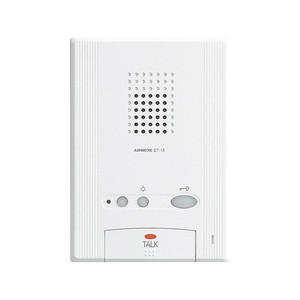
Aiphone GT-BC Audio Bus Control Unit
Overview
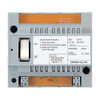
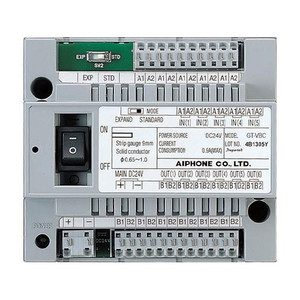
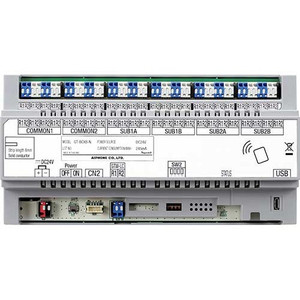
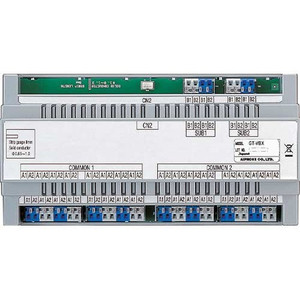
The Aiphone GT-BC is a dedicated audio bus control unit built to handle power distribution and data signaling across an Aiphone GT Series intercom ecosystem. This device sits at the backbone of multi-unit residential or commercial intercom deployments — typically installed in control rooms, guard stations, or mechanical closets where it can serve all connected stations without voltage drop or signal degradation. Wall-mounted or DIN rail configuration makes it flexible for retrofit or new construction. At 0.9A maximum power consumption, the GT-BC operates efficiently within standard electrical infrastructure, reducing the need for oversized power supplies or dedicated circuits.
Key Features
- Central Audio Bus Distribution: Consolidates power and audio signaling for all GT Series stations in one location — eliminates daisy-chaining audio cables and reduces installation labor, especially in larger multi-story or multi-unit buildings.
- 0.9A Maximum Draw: Low power envelope means the GT-BC works with standard building power without strain on your electrical panel or UPS backup systems, a real advantage in facilities where power budget is already tight.
- DIN Rail Support: Mounts on standard DIN rail for cabinet or panel integration — keeps your wiring closet organized and makes future maintenance or relocation straightforward.
- Native GT Series Compatibility: Works seamlessly with audio open-voice stations (GT-1A), audio handset stations (GT-1D), video tenant stations (GT-1C7 and GT-1M3), and video security guard stations (GT-MKB-N). Modular architecture means you can expand with audio modules (GT-DB) and camera modules (GT-VB) without replacing the control unit.
- External Signaling Support: Integrates external relays (GT-RY) and panic switches (GFK-PS N/C) — critical for facilities that need emergency lockdown or guard notification wired into the intercom logic.
- Solid-Core Wire Requirement: Uses 2-conductor, non-shielded PE insulation wire (Aiphone #872002 specified) — standard residential/commercial wiring means no exotic cables or specialized installation technicians required.
Integration & Compatibility
The GT-BC integrates with the complete Aiphone GT Series catalog, supporting both audio-only and video-enabled stations in the same system. This flexibility means you can deploy basic audio stations in lower-priority areas (lobbies, office suites) and upgrade to video stations (tenant verification, delivery receiving) where visibility matters most — all controlled through a single bus unit. The modular entrance panel system allows you to add or remove door stations without system reconfiguration. If your facility later adds panic switches or external signaling relays, the GT-BC accommodates them without modification.
Installation Considerations
Wire gauge and run length are critical — use the specified Aiphone #872002 wire to avoid voltage drops on long runs. In buildings larger than 500 linear feet of cabling, confirm with your installer that the 0.9A budget provides sufficient headroom for simultaneous station usage. If you are planning an intercom system expansion, account for the GT-BC's role early in your design to avoid costly rewiring later. DIN rail mounting is straightforward, but verify your cabinet has adequate space for the control unit plus associated terminals and disconnect switches required by local electrical code.
Frequently Asked Questions
Q: What's the maximum number of stations the GT-BC can support?
A: The GT-BC is designed to handle the full GT Series range, but the practical limit depends on simultaneous usage and wire gauge. Your installer should calculate total station load against the 0.9A budget to ensure all stations can operate without voltage sag. Consult Aiphone's installation guide for load tables by station type.
Q: Can I use shielded wire instead of the specified non-shielded PE wire?
A: No. Shielded wire can introduce grounding loops and signal reflections that degrade audio quality on the bus. Stick to Aiphone #872002 or equivalent 2-conductor non-shielded PE insulation wire.
Q: Does the GT-BC work with non-Aiphone intercom stations?
A: The GT-BC is designed exclusively for the Aiphone GT Series. It will not work with other brands' intercom systems or legacy Aiphone models outside the GT family.
Q: What happens if power to the GT-BC is interrupted?
A: All intercom stations downstream of the GT-BC will lose power and functionality. For mission-critical facilities, wire the GT-BC to an UPS or backup power system to ensure guard stations and emergency communications remain active during power loss.
Q: Is the GT-BC compatible with SIP or cloud-based Aiphone systems?
A: No. The GT-BC is a hardwired bus control unit for premises-based GT Series analog and video intercoms. It does not bridge to SIP or cloud platforms — integration would require a separate gateway device.
Ted PerryPerspective based on aggregated IP Security Depot and affiliated engineering team experience.
I've spec'd the Aiphone GT-BC into dozens of multi-unit and commercial intercom jobs, and the core value is straightforward: it's the power and signaling hub that lets you build a sensible, scalable intercom network without running separate power cables to every station. At 0.9A max draw, the GT-BC sits well within the power budget of most buildings — a detail that matters because over-spec'ing power often leads to over-engineered electrical work and unnecessary cost. The DIN rail mount is a practical touch too; in a busy wiring closet, you want devices that organize neatly and don't consume floor space.
Technical Highlights:
- 0.9A Maximum Power Consumption: Low draw ensures compatibility with standard building electrical infrastructure without requiring dedicated circuits or oversized UPS backup. For a 50-station deployment, power becomes a non-issue rather than a design constraint.
- Modular GT Series Ecosystem: The GT-BC works with audio-only stations (GT-1A, GT-1D), video tenant stations (GT-1C7, GT-1M3), security guard stations (GT-MKB-N), and modular panels with interchangeable audio (GT-DB) and camera (GT-VB) modules. This means you can start with basic audio and migrate to video on specific doors later without replacing infrastructure.
- Non-Shielded 2-Conductor Wire Requirement: Uses standard Aiphone #872002 solid PE-insulation wire. Eliminates exotic cabling and keeps installation labor predictable — any licensed low-voltage contractor can pull and terminate it. Shielded wire is explicitly not compatible and will degrade audio quality through grounding loops.
Deployment Considerations:
- The GT-BC is a single point of failure — if power to the unit is lost, every downstream station goes dark. For facilities where the intercom is part of security or access control logic, wire it to an UPS or dedicated backup circuit. I've seen deployments where a single breaker trip took out a multi-floor lobby intercom for hours.
- Wire gauge and run length matter more than you might expect. Long runs (300+ feet) can introduce voltage sag, especially if multiple stations try to transmit simultaneously. Your installer should calculate load against the 0.9A budget upfront using Aiphone's load tables, not guess and patch later.
- External signaling (relays, panic switches) is supported but adds complexity. If you're integrating GT-RY relays or GFK-PS panic switches, plan those circuits early — mixing low-voltage audio wiring and relay logic in the same cabinet requires careful separation to avoid inductive interference on the audio bus.
Deploy the GT-BC in any multi-station Aiphone GT Series installation where you want centralized power distribution and simplified wiring. It's the right backbone device for apartment buildings, office parks, healthcare facilities, and industrial sites where intercom needs are straightforward and you want to avoid complex networking. Skip it only if you're planning a distributed, SIP-based system — the GT-BC is hardwired premises infrastructure, not a gateway to cloud or VoIP.