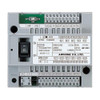
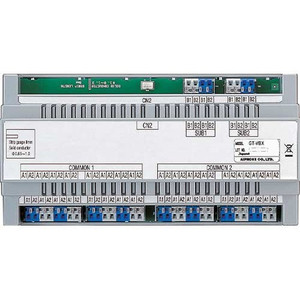
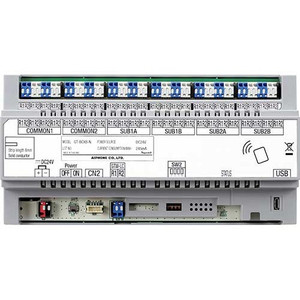
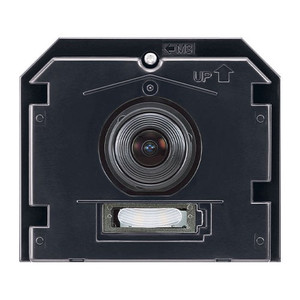
Aiphone GT-VBC Video Bus Control Unit
Overview
The Aiphone GT-VBC is a video bus control unit engineered to supply and manage power distribution to the video line of a GT series intercom installation. This unit handles the heavy lifting of feeding video signals across multiple GT-compatible tenant stations, video modules, and entrance panel cameras without requiring separate power supplies at each endpoint. It integrates directly into standard DIN rail infrastructure, making it a foundational power management component in modular GT deployments where you need reliable, centralized video power distribution.
Key Features
- 900mA Maximum Current Capacity: Sufficient headroom to power multiple video endpoints simultaneously without brownouts or power drops across the bus. This matters because voltage sag under load degrades video signal quality and can cause intermittent dropouts in the intercom feed.
- DIN Rail Mounting (W-DIN11): Installs on standard industrial rail — no wall brackets or custom framing required. Keeps the control cabinet clean and organized, and allows technicians to swap or upgrade the unit without rewiring the entire system.
- GT Series Ecosystem Integration: Works with the full Aiphone GT intercom line, including GT-1C7W app-compatible audio/video tenant stations, GT-1C7 video tenant stations, GT-1M3 video stations, GT-MKB-N video security guard stations, GT-DB and GT-DB-VN audio modules, and GT-VB camera modules for entrance panels. This means you're not locked into a single form factor or station type.
- Centralized Power Distribution: Rather than distributing 12V or 24V feeds to individual modules scattered across a building, the GT-VBC becomes the single source, reducing installation labor and troubleshooting complexity when signal issues arise.
- Compact Footprint: Designed for cabinet integration without consuming excessive rail space, freeing up room for additional control modules, surge protection, or expansion.
Integration & Compatibility
The GT-VBC is purpose-built for the Aiphone GT modular intercom ecosystem and does not operate as a standalone device. It must be paired with GT series stations, video modules, and a compatible Aiphone control head or power supply that feeds the primary 12V or 24V rail. When sized correctly and installed on DIN rail alongside other GT components, it ensures that video endpoints receive stable, regulated power without voltage drop across long runs of twisted-pair wiring.
Do not confuse this with a video signal amplifier or repeater — the GT-VBC is purely a power distribution and control unit. Video signals themselves travel over separate twisted pairs or integrated cabling bundled with the power wires.
When to Choose a Different Model
If your installation requires audio-only intercom without video endpoints, look at Aiphone's audio-only bus control variants in the GT family — they will be more cost-effective. If you are deploying more than 1,200 mA of simultaneous video endpoints, you may need to parallel multiple GT-VBC units or step up to a higher-capacity control module; consult Aiphone's system design guide for stacking rules.
Frequently Asked Questions
Q: Does the GT-VBC supply power to audio modules, or only video?
A: The GT-VBC is dedicated to video line power distribution. Audio modules (GT-DB, GT-DB-VN) draw power from the main system supply, not from this unit.
Q: Can I use the GT-VBC in a non-DIN rail installation?
A: No. The GT-VBC is designed for DIN rail mounting only. Wall or cabinet mounting will require a third-party adapter or custom solution not supported by Aiphone.
Q: What happens if I exceed 900mA on the video bus?
A: Exceeding the rated current will cause the unit to throttle voltage or shut down to protect downstream components. Plan your video endpoint count and power consumption per device before installation to stay within the 900mA limit.
Q: Is the GT-VBC compatible with non-Aiphone GT series devices?
A: No. The GT-VBC is proprietary to the Aiphone GT ecosystem and will not work with other brands' intercom systems or modular video components.
Ted PerryPerspective based on aggregated IP Security Depot and affiliated engineering team experience.
The Aiphone GT-VBC solves a real problem in modular GT intercom builds: power distribution without signal loss. I've seen plenty of installations where a single undersized power supply tried to feed video endpoints across three floors, and you'd get intermittent dropout on the top floor cameras because of voltage sag. The GT-VBC is the answer — it's a dedicated power controller that sits on the DIN rail and handles the video bus independently, so your main intercom supply doesn't have to choose between powering the talk-back audio and the camera feed.
Technical Highlights:
- 900mA Capacity: Enough headroom to support 4–6 simultaneous video endpoints depending on their per-unit draw. This is meaningful in a busy entrance installation with multiple call stations and guard monitors all on at once.
- W-DIN11 Rail Mount: Standard footprint. No custom brackets, no wall wiring. Slides into a standard control cabinet alongside Aiphone's audio modules and power supply, reducing labor and installation footprint.
- Standalone Video Bus Control: Decouples video power from your primary intercom supply. If the video bus maxes out, it won't brown out your audio or talk-back paths.
Deployment Considerations:
- Size your endpoint count before installation. The 900mA limit is hard; if you underestimate station count or add cameras later, you'll hit the ceiling and need to parallel a second unit or redesign the power tree.
- The GT-VBC is power distribution only — it does not amplify, switch, or process video signals. Make sure your cable runs are within spec (twisted pair, max distance per Aiphone guidelines) so you don't compensate for signal loss with more current.
Best fit: Multi-floor residential or office buildings with 2–3 entry points and 4–8 video stations per site. The GT-VBC keeps the intercom clean and scalable without needing a full IP-based video refresh.