
Showing Results for Covers & Protection
-
Save $0.01

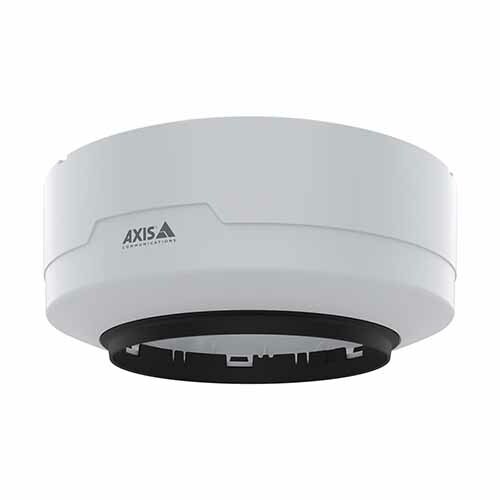
Axis M4327-P Cover Top Casing 4-Pack - 02819-001
Genuine replacement cover top casing 4-pack for M4327-P and M4328-P
- 4-pack of black top casings for M4327-P / M4328-P
- Durable plastic construction with professional finish
- Direct OEM swap for multi-unit deployment
Usually Ships in 2-3 Weeks Free shipping over $499$73.00 $72.99 Save $0.01 -
Save $0.01

Axis M4327-P Spare Cover Top Casing White 4-Pack - 02821-001
OEM replacement top casing 4-pack for M4327-P and M4328-P domes
- 4-pack of white top casings for M4327-P / M4328-P
- Drop-in OEM-fit for fast tool-free installation
- IP66-rated cover for outdoor dome cameras
Usually Ships in 2-3 Weeks Free shipping over $499$73.00 $72.99 Save $0.01 -
Save $0.01

Axis M5526-E Smoked Dome Accessory - 03010-001
Smoked dome for M5526-E PTZ—conceals movement, maintains 85–90% light transmission
- Full 360° pan and 40x optical zoom with zero mechanical obstruction or interference
- IP66-rated smoked acrylic withstands rain, dust, moisture, and coastal salt spray
- Operating range -40°C to 60°C; UV-resistant material resists yellowing and hazing
Usually Ships in 2-3 Weeks Free shipping over $499$52.00 $51.99 Save $0.01 -
Save $0.01

Axis NO_MODEL Hydrophilic Dome Accessory - 03248-001
Clear hydrophilic dome with self-cleaning coating for wet/dusty outdoor sites
- Hydrophilic dome cover sheds rain before it pools
- Self-cleaning surface uses rainfall to clear dust
- Compatible with Q3839-PVE, Q3839-SPVE outdoor cameras
Usually Ships in 2-3 Weeks Free shipping over $499$159.00 $158.99 Save $0.01 -
Save $0.01

Axis Outdoor Weathershield Spare Pack 2-Pack - 03314-001
2-pack outdoor weathershields with anti-reflective coating for lens protection
- 2-pack of weathershields for P326x/P327x/P328x LV cameras
- Matte black anti-reflective coating reduces glint
- Anti-loss screws for secure outdoor field install
Usually Ships in 2-3 Weeks Free shipping over $499$69.00 $68.99 Save $0.01 -
Save $0.01

Axis P13 Weathershield Extension A - 01692-001
Extended weathershield for P13 cameras in dust, salt spray, UV
- Protects optics and housing from moisture, dust, salt spray, UV
- Fits Axis P13 series and P1375-E with mechanical field installation
- Negligible optical transmission loss maintains full image clarity
Usually Ships in 2-3 Weeks Free shipping over $499$52.00 $51.99 Save $0.01 -
Save $0.01
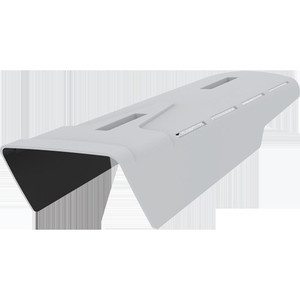
Axis P13 Weathershield Kit A Matte Black - 01693-001
Matte black weathershield for P13 cameras—rain, snow, UV protection
- Weather-resistant composite blocks rain, snow, and UV exposure
- Anti-reflective matte black coating optimizes IR performance in low light
- Engineered fit for selected AXIS P13 series cameras
Usually Ships in 2-3 Weeks Free shipping over $499$52.00 $51.99 Save $0.01 -
Save $0.01

Axis P138x-E Top Cover Spare Part Assembly - 03497-001
OEM top cover assembly for Axis P138x-E series cameras
- Replacement top cover assembly for P138x-E cameras
- Includes all hardware for full housing protection
- 11.9 lb OEM-fit assembly for vandal-prone outdoor
Usually Ships in 2-3 Weeks Free shipping over $499$109.00 $108.99 Save $0.01 -
Save $0.01
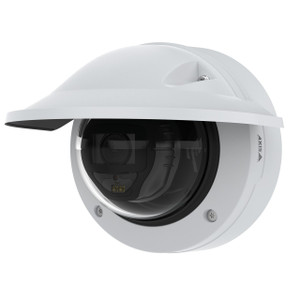
Axis P3267-LVE Spare Casing Assembly 4-Pack - 03318-001
OEM dome casing 4-pack for P3267/P3277/P328x LV series cameras
- 4-pack of spare casings for P3267-LVE / P3277-LVE / P328x
- OEM-fit replacement for field maintenance fleets
- 5MP dome housing for outdoor camera deployments
Usually Ships in 2-3 Weeks Free shipping over $499$69.00 $68.99 Save $0.01 -
Save $19.01

Axis P3275-V 2MP Indoor Dome Camera Varifocal Lens - 03501-001
2MP indoor dome with motorized varifocal lens and IR night vision
- 2MP indoor varifocal dome (2.8-10.5mm motorized)
- Remote zoom and focus from your desk - no ladder
- IR illuminator for nighttime indoor coverage
Usually Ships in 2-3 Weeks Free shipping over $499$619.00 $599.99 Save $19.01 -
Save $0.01

Axis P327x-LV Camera Casing 4-Pack - 03321-001
Pre-assembled replacement casings 4-pack for Axis P327x compact cameras
- 4-pack of pre-assembled casings for P327x-LV cameras
- Ready-to-install - no field fabrication required
- Reduces labor time during emergency maintenance
Usually Ships in 2-3 Weeks Free shipping over $499$79.00 $78.99 Save $0.01 -
Save $0.01

Axis P327x-LV Spare Casing 4-Pack - 03320-001
4-pack white casings for Axis P327x-LV/LVE field maintenance
- 4-pack of spare casings for P327x-LV / P327x-LVE domes
- OEM-fit replacement for field maintenance fleets
- Compact dome housing for 5MP camera deployments
Usually Ships in 2-3 Weeks Free shipping over $499$69.00 $68.99 Save $0.01 -
Save $0.01
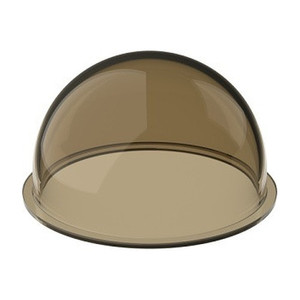
Axis P337X-LV Semi-Smoked Dome A 4-Pack - 01548-001
Semi-smoked dome 4-pack for P337X-LV/-LVE cameras with anti-scratch coating
- Hard coating with anti-scratch protection keeps lenses clear in indoor/outdoor use
- Semi-smoked design reduces glare and reflections for consistent image quality
- Four domes per pack for multi-camera surveillance system upgrades and replacements
Usually Ships in 2-3 Weeks Free shipping over $499$139.00 $138.99 Save $0.01 -
Save $0.01
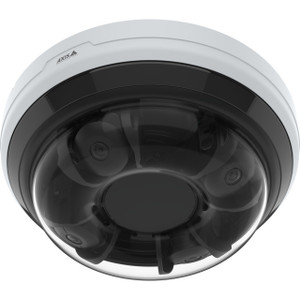
Axis P3747-PLVE Clear Dome Cover Assembly - 03235-001
OEM replacement clear dome for AXIS P3747/P3748 surveillance cameras
- Clear dome cover assembly for the Axis P3747-PLVE
- Includes dome and housing for swap without downtime
- Maintains weather seal and IK vandal rating
Usually Ships in 2-3 Weeks Free shipping over $499$139.00 $138.99 Save $0.01 -
Save $0.01
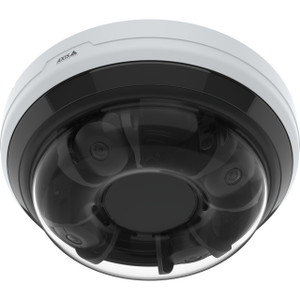
Axis P3747-PLVE Replacement Dome Casing - 03234-001
OEM replacement dome casing for P3747-PLVE and P3748-PLVE cameras
- Replacement dome casing for P3747-PLVE / P3748-PLVE
- OEM-fit prevents moisture and dust ingress at seal
- 1.87 lb black housing for outdoor camera repair
Usually Ships in 2-3 Weeks Free shipping over $499$52.00 $51.99 Save $0.01 -
Save $0.01

Axis P3818-PVE Cover Top Replacement Assembly - 02276-001
OEM cover top for AXIS P3818-PVE and P3827-PVE compact domes
- Replacement top cover for P3818-PVE and P3827-PVE
- Anti-loss screws + integrated holder magnet
- OEM-fit maintains housing weather seal and IP rating
Usually Ships in 2-3 Weeks Free shipping over $499$52.00 $51.99 Save $0.01 -
Save $0.01
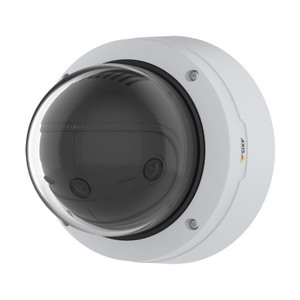
Axis P3818-PVE IK10 Vandal-Resistant Camera Casing - 02357-001
IK10 vandal casing for Axis P3818-PVE outdoor surveillance
- IK10 impact rating withstands 20-joule blows from tools and kicks
- Black aluminum enclosure seals against dust, rain, snow, temperature
- Wall and pole mounting compatible with P3818-PVE camera only
Usually Ships in 2-3 Weeks Free shipping over $499$149.00 $148.99 Save $0.01 -
Save $0.01

Axis P39-R Skin Cover Black 10-Pack - 5506-001
Black skin covers for AXIS P39-R cameras, 10-pack bulk deployment
- 10 covers per pack for standardizing appearance across multi-camera sites
- Tool-free installation and removal designed for quick maintenance access
- Professional black finish conceals mounting hardware and internal components
Usually Ships in 2-3 Weeks Free shipping over $499$159.00 $158.99 Save $0.01 -
Save $0.01

Axis P39-R Skin Cover White 10 pcs - 5505-991
White skin covers for AXIS P39-R cameras, 10-pack for consistent aesthetics
- Pack of 10 white covers conceals mounting hardware across multiple camera installations
- Designed specifically for AXIS P39-R camera form factor with clean professional finish
- Plastic construction with straightforward installation and maintenance access
Usually Ships in 2-3 Weeks Free shipping over $499$159.00 $158.99 Save $0.01 -
Save $0.01

Axis P47 Smoke Dome Cover - 02480-001
Smoked dome for P47 series—discreet surveillance with full optical clarity
- Fits P4705-PLVE and P4707-PLVE cameras; threaded swap in under 2 minutes
- Smoked acrylic tint obscures lens while maintaining 90–95% light transmission
- IP65-rated outdoor dome resists UV, rain, and temperature swings for 3–5 years
Usually Ships in 2-3 Weeks Free shipping over $499$31.00 $30.99 Save $0.01 -
Save $0.01

Axis P56 Skin Cover D Five-Pack - 5506-161
Five-pack skin covers with dome rings for Axis P56 Series cameras
- Protective polymer construction shields cameras from dust, UV, and weather
- Five complete sets with dome rings for multi-camera deployments
- Maintains optical clarity and professional appearance in outdoor installations
Usually Ships in 2-3 Weeks Free shipping over $499$149.00 $148.99 Save $0.01 -
Save $0.01
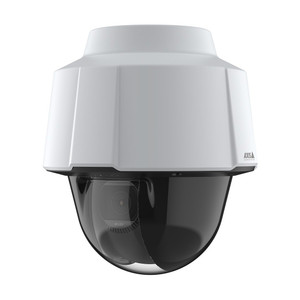
Axis P5676-LE Clear Dome Spare - 02831-001
Hard-coated clear dome replacement for AXIS P5676-LE outdoor cameras
- Hard-coated clear dome for the Axis P5676-LE PTZ
- Chemical and salt-spray resistant outdoor coating
- IP66-rated direct-fit replacement for outdoor PTZ
Usually Ships in 2-3 Weeks Free shipping over $499$63.00 $62.99 Save $0.01 -
Save $0.01

Axis P5676-LE Hard Coated Smoked Dome - 03224-001
Hard coated smoked dome with IR night vision for outdoor P5676-LE
- Hard-coated smoked dome for the Axis P5676-LE PTZ
- Includes IR cover for nighttime perimeter operation
- Chemical-resistant outdoor housing material
Usually Ships in 2-3 Weeks Free shipping over $499$63.00 $62.99 Save $0.01 -
Save $21.01

Axis Q17 Outdoor Camera Housing IP66 - 03047-001
IP66 stainless steel housing for Q17/P13 cameras, -40°C to +60°C
- IP66 + IK10 outdoor housing for Axis Q17 and P13 cameras
- PoE+ (802.3at) pass-through with integrated IR illuminator
- Built for outdoor, ruggedized, vandal-prone install
Usually Ships in 2-3 Weeks Free shipping over $499$689.00 $667.99 Save $21.01 -
Save $0.01

Axis Q1800-LE Weathershield Cover - 03279-001
Extra-long weathershield for Q1800-LE license plate cameras
- Weathershield cover for the Axis Q1800-LE camera
- Extra-long shield extends environmental coverage
- Anti-glare interior prevents IR LED reflections
Usually Ships in 2-3 Weeks Free shipping over $499$73.00 $72.99 Save $0.01 -
Save $0.01

Axis Q1805-LE 150mm Weathershield Spare Part - 02846-001
150mm weathershield assembly for Q-series outdoor cameras
- 150mm weathershield spare for the Axis Q1805-LE
- Provides reliable environmental sealing on outdoor mount
- Anti-loss screws + complete mounting hardware included
Usually Ships in 2-3 Weeks Free shipping over $499$73.00 $72.99 Save $0.01 -
Save $0.01
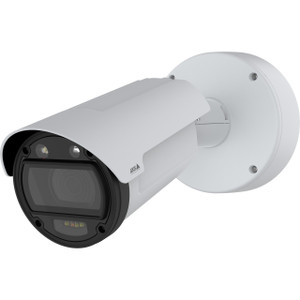
Axis Q1808-LE Weathershield Spare Part - 02847-001
Genuine weathershield replacement for AXIS Q1808-LE outdoor cameras
- Weathershield spare for the Axis Q1808-LE camera
- Outdoor protection + lens clarity preservation
- Anti-loss screws prevent fastener loss in field
Usually Ships in 2-3 Weeks Free shipping over $499$73.00 $72.99 Save $0.01 -
Save $0.01
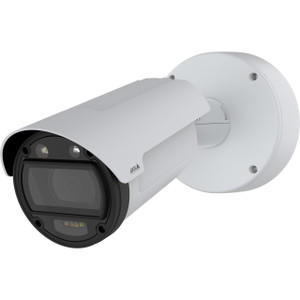
Axis Q1808-LE Window Assembly Spare Part - 02845-001
OEM optical window assembly for AXIS Q1808-LE field replacement
- Replacement window assembly for the Axis Q1808-LE
- Includes 4x TX10 screws for secure direct-fit install
- Field-replaceable optical component spare
Usually Ships in 2-3 Weeks Free shipping over $499$84.00 $83.99 Save $0.01 -
Save $0.01

Axis Q35 Weathershield Spare Part 5-Pack - 03299-001
OEM weathershields for Q35 thermal cameras, 5-pack with anti-loss screws
- 5-pack of weathershields for the Axis Q35 LVE series
- Compatible with Q3546-LVE / Q3548-LVE / Q3556-LVE / Q3558-LVE
- Anti-loss screws keep fasteners during outdoor service
Usually Ships in 2-3 Weeks Free shipping over $499$159.00 $158.99 Save $0.01 -
Save $8.01
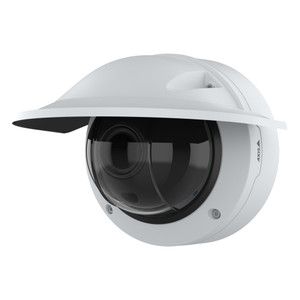
Axis Q3546-LVE Smoked Dome Cover 5-Pack - 03298-001
Smoked dome covers 5-pack for Axis Q-series PTZ and fixed cameras
- 5-pack of smoked dome covers for Q3546-LVE cameras
- Hard anti-scratch coating extends optical life
- Balanced light transmission with housing discretion
Usually Ships in 2-3 Weeks Free shipping over $499$239.00 $230.99 Save $8.01 -
Save $0.01

Axis Q3839-PVE Spare Dome Assembly - 03246-001
OEM replacement dome for Q3839/Q4809 PTZ cameras with anti-scratch coating
- Replacement spare dome for the Axis Q3839-PVE
- Hard anti-scratch coating for outdoor durability
- Steel screws and gaskets included for direct install
Usually Ships in 2-3 Weeks Free shipping over $499$74.00 $73.99 Save $0.01 -
Save $0.01
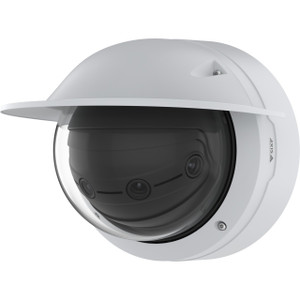
Axis Q3839-PVE Spare Part Cover Top - 03304-001
OEM dome cover replacement for Q3839-PVE and Q4809-PVE cameras
- Top cover spare for Q3839-PVE / Q4809-PVE cameras
- OEM-fit replacement maintains weatherproof seal
- 1.09 lb white housing for outdoor camera repair
Usually Ships in 2-3 Weeks Free shipping over $499$63.00 $62.99 Save $0.01 -
Save $0.01
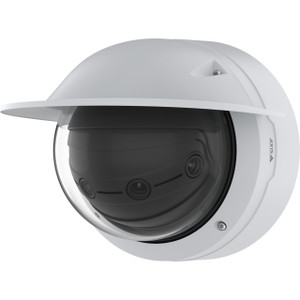
Axis Q3839-PVE Weathershield Cover Replacement - 03305-001
Weathershield cover for Q3839-PVE and Q4809-PVE outdoor cameras
- Weathershield cover for Q3839-PVE / Q4809-PVE cameras
- Reduces condensation buildup on outdoor camera lenses
- OEM-fit direct replacement for panoramic dome housings
Usually Ships in 2-3 Weeks Free shipping over $499$42.00 $41.99 Save $0.01 -
Save $0.01

Axis Q60-E Sunshield Kit - 5700-951
Weather-resistant sunshield for Q60-E cameras; cuts glare & UV
- Composite construction shields from direct sun, glare & reflections
- Rain & snow resistant; IP66-rated for outdoor durability
- Includes all mounting hardware for quick installation on Q60-E series
Usually Ships in 2-3 Weeks Free shipping over $499$41.00 $40.99 Save $0.01 -
Save $0.01
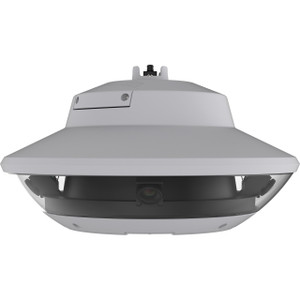
Axis Q6000-E Hard-Coated Dome Clear Replacement - 03312-001
Hard-coated replacement dome for Axis Q6000-E/Q6010-E/Q6020-E
- Hard-coated clear dome for the Axis Q6000-E PTZ
- Scratch + impact resistant for outdoor PTZ deployment
- OEM-fit direct replacement maintains weather seal
Usually Ships in 2-3 Weeks Free shipping over $499$63.00 $62.99 Save $0.01 -
Save $0.01
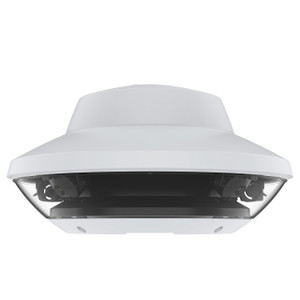
Axis Q6010-E Hard Coated Smoked Dome - 03226-001
Hard coated smoked dome for Q6010-E and Q6020-E fixed cameras
- Hard-coated smoked dome for Q6010-E and Q6020-E PTZ
- Reduces glare and visible camera-direction indication
- Includes mounting ring for secure full-housing seal
Usually Ships in 2-3 Weeks Free shipping over $499$105.00 $104.99 Save $0.01