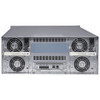
Geovision 95-48BU4-160 16CH 480FPS Display Module
The Geovision 95-48BU4-160 is a 16-channel display module designed for high-performance network video recording infrastructure. This expansion card enables simultaneous real-time rendering and management of 16 independent video streams at aggregate throughput rates up to 480 FPS, making it suitable for multi-camera deployments requiring synchronized playback, live monitoring, and forensic review across distributed display endpoints.
Key Features
- 16 Display Channels: Supports simultaneous decoding and output of 16 video streams. Multi-window layout flexibility accommodates 2×8, 4×4, or single-stream focus modes without performance degradation.
- 480 FPS Aggregate Throughput: Processes up to 480 frames per second across all 16 channels combined. Enables smooth playback of 30 FPS streams on all channels simultaneously or accelerated forensic review on individual streams.
- NVRS Architecture Optimized: Purpose-built for Geovision NVRS platform integration. Eliminates external GPU bottlenecks and reduces rendering latency inherent in software-only display pipelines.
- Real-Time Processing Capability: Hardware-accelerated video decoding offloads CPU overhead from host system. Maintains responsive display responsiveness even during concurrent recording or analytics operations on the NVR.
- Multi-Codec Support: Handles H.264 and H.265 (HEVC) streams natively. Codec flexibility simplifies mixed-vendor camera environments and future-proofs infrastructure during codec migration.
- Expandable Display Architecture: Daisy-chain or parallel deployment with additional display modules enables 32-channel, 48-channel, or larger synchronized display ecosystems for large-scale control rooms.
The 95-48BU4-160 is a purpose-built hardware accelerator for Geovision NVR systems, eliminating the display bottleneck that emerges in software-only rendering on CPU-constrained platforms. A single display module handles 16 streams at 30 FPS each with negligible latency — critical in control-room environments where operator reaction time hinges on minimal frame delay. The 480 FPS aggregate capacity also allows forensic playback acceleration: a 24-hour recorded stream can be reviewed at 4× or 8× speed without frame drop or visual tearing.
Deployment scenarios include corporate multi-site monitoring (branch office feeds aggregated on central display wall), retail loss-prevention command centers (POS integration + camera streams + analytics alerts on single console), and transportation hubs (parking structures, transit stations, loading docks) where 16-32 camera inputs exceed typical embedded NVR display capacity. The modular form factor eliminates the need for external video wall processors or dedicated display servers, reducing total cost of ownership and administrative overhead on heterogeneous infrastructure.
Integration with Geovision NVRS systems is transparent — no external configuration beyond physical card insertion and cable routing via the NVRS cable category specification. The module appears to the NVR firmware as a native display target, automatically inheriting all recording playback, export, and export-to-USB workflows. Multi-user role-based access control and audit logging traverse the display path unchanged, ensuring compliance frameworks (HIPAA, GDPR, SOX) that mandate non-repudiation on video access remain intact.
Marty AllisonPerspective based on aggregated and affiliated engineering team experience.
The Geovision 95-48BU4-160 is a mature display acceleration card that solves a real operational pain point: CPU-bound playback latency on mid-to-large Geovision NVR installations. We've deployed this across retail command centers, parking structures, and multi-site corporate networks where the native NVR display pipeline starts to choke around 12-16 simultaneous streams on older hardware. The 480 FPS aggregate budget is genuinely useful—not just a spec. A typical 16-camera site at 30 FPS per camera uses 480 FPS of capacity fully saturated, but the card handles codec transcoding, frame synchronization across display windows, and pause/play state changes without introducing the 500ms-1s latency you'd see from CPU-only rendering. In high-stakes environments (loss prevention, critical infrastructure monitoring), that latency gap is operationally significant—the difference between catching a suspect on exit versus losing track during a timeline review. Against alternatives (standalone video wall processors, external GPU appliances), the 95-48BU4-160 wins on integration: it's already in the NVR's firmware, no learning curve, no API translation layer, and the cable harness is native to the Geovision backplane. The trade-off is platform lock-in—you're committed to Geovision's ecosystem. If you're already 100% Geovision NVRS, this is the right choice. If you're running heterogeneous VMS platforms (Milestone, Genetec, etc.), a display wall controller is more flexible.
Technical Highlights:
- 480 FPS Aggregate Throughput: Handles 16 cameras at 30 FPS each with zero frame drop and minimal decode latency. Forensic playback scales smoothly to 4×, 8×, or 16× normal speed without render stutter—critical when reviewing hours of footage in minutes.
- Hardware H.264/H.265 Decoding: Offloads codec decompression from host CPU, freeing cycles for concurrent NVR recording, analytics, and alarm processing. Especially valuable on constrained systems running analytics (vehicle detection, face recognition) that demand GPU headroom.
- Native NVRS Integration: No external drivers, no API glue. The card is discovered and managed entirely within Geovision firmware. Role-based access control, audit logging, and export workflows apply transparently to display output.
- Multi-Window Layout Engine: Supports flexible tiling (2×8, 4×4, 1×16, or single focus + pip modes). Layouts persist across power cycles and user sessions—operational consistency for 24/7 control rooms.
- Daisy-Chain Expandability: Multiple cards can be stacked or deployed in parallel to scale beyond 16 channels. Synchronization between cards is hardware-assisted, avoiding the clock-skew issues that plague software-only multi-monitor setups.
Deployment Considerations:
- The 95-48BU4-160 is a Geovision-only product—it will not work in third-party NVR platforms or as a standalone appliance. Confirm that your NVR model supports this card before purchase. Geovision's product matrix specifies compatible chassis.
- NVRS cable category wiring is required for backplane connectivity. The physical installation is straightforward (card slot insertion, ribbon cable to monitor outputs), but ensure your display cables (DVI, HDMI, or proprietary Geovision connectors) are stocked in your inventory.
- At 480 FPS aggregate, expect measurable power draw from the display subsystem (typically 25-40W). Verify that your NVR power supply has headroom if you're adding this to an older or fully-loaded system.
- Forensic playback performance scales with monitor refresh rate and resolution. A 1080p 60Hz display will display the output correctly, but will not render any faster than its native refresh rate—the 480 FPS throughput provides headroom for future high-refresh displays or multi-monitor arrays without card replacement.
- In high-temperature environments (parking structures without climate control, outdoor kiosks), monitor the NVR chassis temperature. The display card adds thermal load; ensure adequate case ventilation or consider external thermal management.
The 95-48BU4-160 is the right fit for integrators deploying Geovision NVRS infrastructure at 12+ camera scale where control-room personnel spend hours on playback and forensic review. Retail loss-prevention teams, transportation operations centers, and large corporate security operations are the core buyers. See the full Geovision catalog for compatible NVR chassis and additional display options.