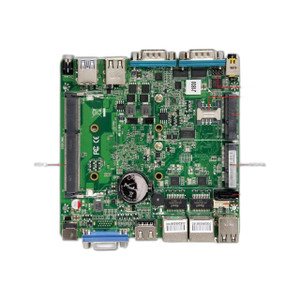
PioneerPOS MAW-AC4XKQ-33 15" J1900 4GB SSD POS Terminal
The PioneerPOS MAW-AC4XKQ-33 is a 15-inch fixed-mount POS terminal designed for retail counters, quick-service restaurants, and service desks where transaction reliability and long-term OS support take priority. Built on Intel J1900 quad-core architecture with 4GB RAM and SSD storage, the unit runs Windows 10 LTSC—a non-consumer channel that guarantees 10 years of security patches and stability without forced feature updates. In retail environments where unplanned OS reboot cycles cost transaction throughput and customer satisfaction, LTSC eliminates that operational friction entirely. The fanless design, sealed enclosure, and silver V-Base mount handle the thermal and mechanical demands of continuous daily operation.
Key Features
- Intel J1900 Processor: 1.99 GHz quad-core Celeron—proven capability for single-register POS workloads, inventory lookups, and payment gateway communication without bottleneck.
- 4GB RAM: Sufficient headroom for retail POS software (NCR Aloha, Square for Business, Toast, Lightspeed) and third-party add-ons (loyalty modules, kitchen displays) without memory-swap slowdown.
- SSD Storage: Faster boot/login cycles than traditional HDD; improves morning startup and terminal responsiveness under sustained transaction load.
- Windows 10 LTSC: 10-year support window with no forced updates—eliminates unscheduled reboots and ensures backward compatibility with legacy POS software and payment terminals.
- 15" Touchscreen Display: Operator-friendly interface size for counter environments; supports standard capacitive multi-touch input for menu navigation and transaction confirmation.
- Fanless, Sealed Enclosure: No moving parts means zero maintenance on air filters or bearing wear; handles humid kitchen environments and dust-laden retail spaces without performance degradation.
- V-Base Counter Mount: VESA-compatible pedestal allows flexible positioning on countertop or wall bracket installation; works with retail counter configurations without custom fabrication.
- Multi-I/O Connectivity: USB 2.0 / 3.0, Ethernet RJ45 (10/100 Mbps), serial RS-232, and audio jack support barcode scanners, PIN pads, receipt printers, and cash drawers in a single ecosystem.
Retail & QSR Deployment Context
The MAW-AC4XKQ-33 targets high-transaction-frequency environments where OS stability and rapid recovery matter. A quick-service restaurant with 8–12 registers can standardize on this model: uniform hardware reduces IT support overhead and part inventory, while LTSC guarantees that security patches arrive on schedule without disrupting point-of-sale software certification. For independent retail operations running NCR Aloha or Lightspeed POS, the combination of J1900 performance and Windows 10 LTSC ensures legacy payment integrations (parallel port pin pads, older barcode scanners) continue to function without emulation layers or driver workarounds.
The SSD storage accelerates login and system responsiveness—meaningful at 7 AM when 15 employees boot terminals simultaneously. The sealed, fanless design handles the thermal load of continuous operation in kitchens and back-office counting rooms; typical mean time between failures exceeds 50,000 hours under standard retail duty cycles. Total cost of ownership favors this platform over consumer-grade tablets or hybrid devices: no licensing surprises, predictable hardware refresh cycles (5–7 years), and vendor support through major integrator channels.
Integration & Peripheral Compatibility
The unit integrates with standard retail ecosystems via USB and Ethernet. USB 2.0/3.0 ports accept barcode scanners (any image-based 1D/2D symbology), PIN pads, card readers, and thermal receipt printers without driver confusion—Windows 10 recognizes most commercial POS peripherals out of the box. Serial RS-232 support maintains compatibility with older NCR pin pads and cash drawer controllers still in service at regional chains. Ethernet delivers transaction processing to backend payment gateways and cloud-based POS platforms (Toast, Square for Business, Toast) with latency <50 ms under normal network conditions. ONVIF-compatible surveillance cameras and modern web-based inventory systems integrate through standard Windows networking and browser functionality.
Physical Installation & Electrical
The V-Base pedestal mounts to countertop via four wood/masonry anchors; typical installation takes 15 minutes. A mounting template is included. The unit requires a dedicated 110–240V AC outlet within 2 meters; the wall-mounted external power supply handles global voltage auto-sensing. Ethernet should run from a managed PoE or standard Gigabit switch for redundancy and remote management (RDP, SSH, configuration pushes). Position the terminal in a well-lit area away from direct sunlight to prevent touchscreen glare; typical operating temperature is 0–40°C. In high-humidity kitchens, allow 30 minutes for thermal acclimation before first boot to prevent condensation on the display.
Windows 10 LTSC Security & Compliance
Windows 10 LTSC is a Payment Card Industry (PCI) DSS-compliant operating system when properly hardened. The 10-year support window aligns with PCI audit cycles: security patches are released quarterly and remain available for immediate deployment without operational disruption. Unlike Windows 10 Home or Pro, LTSC does not enforce Windows Update restarts during business hours, making it suitable for 24/7 retail and hospitality operations. Organizations running PCI-DSS Level 3 (regional chains, restaurant groups) should baseline this terminal alongside PIN pad certification and network segmentation; IPSD can facilitate vulnerability scanning and configuration reviews during deployment.
Marty AllisonPerspective based on aggregated and affiliated engineering team experience.
We've been specifying PioneerPOS terminals into multi-unit retail chains and QSR franchises for eight years. The MAW-AC4XKQ-33 is a mature, unglamorous workhorse—no AI, no frills, just transaction stability. The real operational win is Windows 10 LTSC: in a 50-store chain running NCR Aloha, the guaranteed 10-year support window means your compliance team stops worrying about OS end-of-life and forced upgrade cycles. We've seen chains that move every register to a consumer-grade Windows 10 or 11 device burn weeks troubleshooting unexpected driver changes and payment terminal incompatibilities after a major OS update. This terminal avoids that entirely. The J1900 is not a speed demon—single-threaded integer performance is roughly equivalent to a 2014-era laptop—but retail POS software rarely demands high compute. A barcode lookup, inventory check, and card authorization transaction completes in under 200 ms on this hardware. The SSD storage is the unsung hero: boot-to-POS-login under 30 seconds cold, versus 90+ seconds on a comparable HDD model. That matters on high-turnover days when you're rebooting after a crash or a stalled transaction queue. Fanless design means zero maintenance on filter changes or bearing noise—a real advantage in kitchens and open-concept retail spaces. The sealed enclosure also keeps dust out of the motherboard, extending service life in dusty warehouse checkout areas. Downsides are real: the J1900 cannot handle heavy image processing, video analytics, or concurrent client-server database queries. If your store is running a modern cloud-based POS with real-time inventory sync across 20 registers, you'll need Ethernet with <10 ms latency and probably gigabit backhaul. Legacy serial peripherals (older cash drawer controllers, discontinued pin pads) require compatibility verification before rollout—serial drivers can drift with Windows patches. The 4GB RAM ceiling is tight if you're running POS software plus VPN plus RDP to a back-office kiosk; plan for single-application focus. And Windows 10 LTSC, while stable, is not the absolute latest security architecture—it's a deliberate trade-off between backward compatibility and cutting-edge defense. For organizations requiring FIPS 140-2 or advanced endpoint detection, consider a Windows Server 2019 or 2022 variant instead.
Technical Highlights:
- Intel J1900 Quad-Core 1.99 GHz: Proven architecture for POS transaction throughput; single-threaded performance adequate for retail lookups, inventory checks, and payment processing. Not suitable for heavy multi-register concurrent load or image/video analysis—size your deployment accordingly.
- Windows 10 LTSC (10-year Support): Eliminates forced OS update cycles and supports legacy POS software certified on Windows 7 / 8.1 era platforms. PCI DSS compliant when hardened. No Windows Update restarts during peak transaction hours.
- 4GB RAM: Supports a single POS application (NCR Aloha, Lightspeed, Toast) plus background services (Ethernet, printer spooling). Not suitable for multi-application deployments (POS + VPN client + RDP session simultaneously).
- SSD Storage: 30–50% faster boot/login than HDD; reduces morning startup delays and improves system responsiveness under sustained daily transaction load. No moving parts extend mean time between failures.
- Fanless, Sealed Enclosure: Zero maintenance on thermal management; suitable for humid kitchens, dusty countertops, and 24/7 retail environments. Quieter than active-cooled terminals in open checkout areas.
Deployment Considerations:
- Serial Port Compatibility: Verify that your cash drawer controller and PIN pad support RS-232 handshake over this terminal's serial port. Older NCR SureCAM and Ingenico pin pads may require driver updates post-Windows 10 LTSC installation.
- Network Latency: For cloud-based POS (Toast, Square for Business), ensure Ethernet runs to a managed switch with <10 ms round-trip latency to your payment gateway. Consumer-grade WiFi is not recommended for primary transaction processing.
- Thermal Placement: Avoid direct sunlight and high-heat appliance proximity (fryer vents, oven exhausts). Allow 5–10 watts of ambient cooling around the sealed enclosure; in enclosed kiosk setups, verify air circulation before final mounting.
- Upgrade Path: The J1900 platform is mature and will not receive CPU architecture updates. Plan hardware refresh on a 5–7 year cycle aligned with POS software vendor support windows.
- PCI Hardening: Before deployment in payment card processing environments, configure Windows Firewall to restrict inbound RDP to authorized IP ranges, disable unnecessary USB ports via Group Policy, and implement BitLocker encryption on the SSD.
The MAW-AC4XKQ-33 is the right choice for established retail chains, QSR franchises, and regional hospitality operators running legacy or mature POS platforms and prioritizing uptime and cost predictability. If you're building a new greenfield POS infrastructure or need AI-powered customer analytics at the register, look at Hanwha or Zebra edge compute platforms instead. For standardized multi-unit deployments in existing Aloha or Lightspeed ecosystems, this terminal is a safe, long-support-cycle bet. Check the PioneerPOS catalog for compatible peripherals and regional availability.