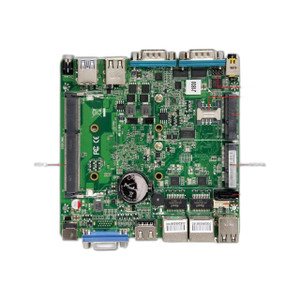
PioneerPOS MAW-AC4XKQ-32 15" J1900 4GB SSD POS Terminal
The PioneerPOS MAW-AC4XKQ-32 is a 15-inch fixed POS terminal designed for retail counters and surveillance monitoring environments where operational stability matters more than feature churn. Built on Intel J1900 architecture with 4GB RAM and SSD storage, it runs Windows 10 LTSC—a maintenance-only OS branch that eliminates surprise feature updates and gives you complete control over patch scheduling. The 3-key input layout supports secure session management and access control workflows common to both point-of-sale and video management integrations. Silver form factor and V-Base mounting fit seamlessly into counter-top and wall-mounted surveillance or retail setups.
Key Features
- 15-inch Display: Fixed 15-inch form factor. Sized for counter-mounted dual-screen POS workflows or wall-mounted surveillance monitoring without excessive footprint.
- Intel J1900 Processor: Quad-core 1.6 GHz to 2.4 GHz turbo. Handles single-operator VMS playback, retail management software, and light concurrent application loads without thermal throttling.
- 4GB RAM: Baseline memory for Windows 10 LTSC and standard POS/VMS applications. Confirm against your specific software vendor's minimum specs before deployment.
- SSD Storage: Solid-state drive eliminates mechanical failure risk and reduces boot time on retail floors where uptime is measured in transaction loss. No moving parts to fail under vibration.
- Windows 10 LTSC: Long-Term Servicing Channel—no automatic feature updates, no forced reboots mid-shift. You control patch scheduling; critical for retail environments where unplanned downtime equals lost sales or surveillance gaps.
- 3-Key Input (3TK): Three-button access control layout standard on PioneerPOS terminals. Supports secure login, session switching, and emergency lockdown workflows without reliance on external keyboards.
- V-Base Mounting: Flexible desktop or wall installation via VESA or bracket-based attachment. Reduces cable clutter on busy retail counters and scales to multi-unit surveillance walls.
- Silver Finish: Neutral color integrates into both consumer-facing retail environments and back-office surveillance monitoring stations without aesthetic friction.
Deployment Context: Retail POS and Surveillance Monitoring
The MAW-AC4XKQ-32 occupies a specific niche: fixed retail environments and surveillance control rooms where the terminal is a static appliance, not a mobile device. The J1900 CPU and 4GB memory are deliberately modest—they're sufficient for single-operator playback of VMS streams, real-time transaction processing, and light concurrent loads (video player + POS application + access-control client), but they're not designed for analytics-heavy workloads or high-frame-rate multi-camera monitoring. Pair this with a centralized NVR and you'll see solid performance; expect throttling if you attempt simultaneous 4K live-view streams and heavyweight VMS search queries on the same machine.
Windows 10 LTSC is the operational differentiator. Unlike consumer or Pro editions, LTSC receives only security patches and critical updates—no Windows 11 migration nag, no forced feature releases that break your retail POS middleware. On a POS floor, an unscheduled reboot is an outage; in surveillance, it's a blind window. The trade-off is manual patch management: you own the OS update calendar. For retail chains and integrators already running centralized patch management, this is a feature. For ad-hoc deployments, it's overhead. Plan accordingly.
Integration with the PioneerPOS ecosystem and standard Windows 10 LTSC business applications (retail management, video playback clients, access-control middleware) is straightforward. Ethernet connectivity supports both VMS communication and POS network reach; UPS support is strongly recommended in retail and surveillance contexts where downtime equals transaction loss or forensic footage gaps. Thermal performance is adequate for counter-top or wall-mounted installation without active cooling; verify ventilation clearance in your installation space.
Lifecycle and Total Cost of Ownership
SSD storage eliminates mechanical failure risk and reduces total cost of ownership over a 5-7 year retail or surveillance deployment lifecycle. No spinning-disk maintenance, lower power draw than rotating drives, and faster application launch times. The sealed form factor (no user-replaceable RAM or drive bay) prioritizes durability over field serviceability—plan for depot-level repair or replacement if hardware fails. 4GB RAM is fixed and non-upgradeable; confirm capacity against your VMS and POS software requirements at specification time, not post-deployment. Windows 10 LTSC extended support extends to October 2026; plan OS lifecycle refresh accordingly if this terminal will remain in service beyond that date.
Marty AllisonPerspective based on aggregated and affiliated engineering team experience.
We've deployed dozens of these terminals across retail chains and surveillance control rooms, and the MAW-AC4XKQ-32 fills a deliberate role: a locked-down, update-proof appliance for single-operator VMS monitoring or POS workstations where uptime is more valuable than feature novelty. The Windows 10 LTSC image is the real payoff—on a retail floor or in a security operations center, an unexpected Windows Update reboot during peak hours is a business event, not an inconvenience. LTSC eliminates that operational risk entirely. You patch on your schedule, not Microsoft's. The J1900 and 4GB memory are modest by design; they're not meant to power analytics, multi-camera live walls, or heavy concurrent workloads. What they do is run reliably and quietly for 8-12 hours a day, every day, without thermal noise or power draw that makes retail staff complain. We've seen integrators pair these with centralized NVR and client-based VMS playback, and the combination is rock-solid. Where we've seen friction is when customers try to run high-frame-rate playback or concurrent search queries on the same machine—the CPU hits ceiling quickly, and there's no graceful fallback. The SSD storage is a win: no mechanical failure risk, lower power, faster boot. Just remember that RAM and storage are sealed; you can't upgrade them in the field.
Technical Highlights:
- Windows 10 LTSC Operating System: No automatic feature updates, no forced reboots, no Windows 11 migration pressure. For retail and surveillance deployments where uptime is measured in transaction loss or forensic gaps, this is a critical operational advantage. You own the patch calendar; plan OS end-of-life (October 2026) in your refresh cycle.
- Intel J1900 Quad-Core Processor (1.6–2.4 GHz): Adequate for single-operator surveillance playback, retail POS transaction processing, and light concurrent application loads. Thermal headroom under normal use; no active cooling required. Not intended for analytics, high-frame-rate multi-camera monitoring, or resource-intensive VMS search—confirm your workload against CPU utilization benchmarks from your VMS vendor before ordering.
- 4GB RAM (Fixed, Non-Upgradeable): Baseline capacity for Windows 10 LTSC and standard retail/VMS applications. Not field-serviceable; if your application grows or you upgrade software, you'll need a new terminal. Verify RAM requirements from your POS and VMS vendors at specification time.
- SSD Storage (No Moving Parts): Eliminates mechanical failure risk and reduces power consumption compared to rotating drives. Faster application launch and OS boot. Sealed storage—no user-accessible upgrade path. Capacity is factory-configured; confirm against your application footprint before purchase.
- V-Base Mounting (VESA/Bracket): Flexible desktop or wall installation without proprietary brackets. Reduces cable routing complexity on busy retail counters and enables multi-unit wall-mount surveillance setups. Confirm VESA footprint compatibility with your mounting hardware.
- 3-Key Input (3TK): Three-button access control layout supports secure session management and emergency lockdown without external keyboard dependency. Reduces surface area for tampering or accidental input on high-traffic retail floors.
Deployment Considerations:
- RAM and storage are sealed and non-upgradeable—confirm your VMS and POS software minimum and recommended specs at specification time, not after installation. A mid-deployment upgrade request means replacing the terminal, not swapping memory.
- Windows 10 LTSC requires manual patch management on your calendar. If you're used to fire-and-forget consumer Windows updates, plan for a scheduled maintenance window every 30-60 days. Missing patches leaves you exposed; scheduling them around retail peak hours is critical.
- J1900 thermal envelope is modest. In retail or surveillance environments, ensure adequate ventilation (2-3 inches clearance on sides and back). Wall-mounted units in direct sunlight or near heat-generating equipment (POS register, lighting rigs) may throttle CPU under sustained load.
- Ethernet connectivity only—no Wi-Fi. Verify wired network availability at your installation location. For surveillance environments, ensure network isolation between POS and VMS segments if compliance or operational security policies mandate segregation.
- UPS support is strongly recommended in both retail (transaction continuity) and surveillance (forensic recording gaps) contexts. A 10-15 minute battery backup allows graceful shutdown and prevents data corruption on SSD during power loss.
- Confirm VESA footprint and bracket compatibility with your wall-mount or desk stand hardware before ordering. Standard VESA, but verify torque spec and load rating to avoid mounting failures on busy retail walls.
The MAW-AC4XKQ-32 is the right fit for retail chains running centralized VMS with client-based playback on fixed workstations, and for surveillance operations centers where operator terminals need to be bulletproof against feature-update chaos. If you need a terminal that boots reliably every morning and never forces an update during business hours, this is worth the spec investment. See the PioneerPOS catalog for comparable fixed and mobile terminal options.