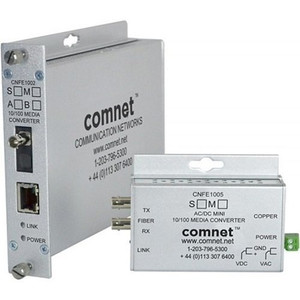
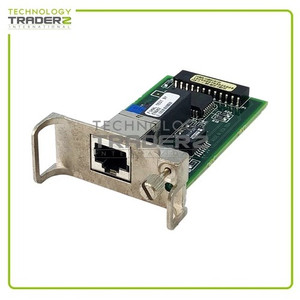
Comnet FDX72S1SHR Universal Data Self Healing Ring
Overview
The Comnet FDX72S1SHR is a universal data self-healing ring designed for long-distance RS232, RS422, and RS485 serial transmission over a single optical fiber. This device is built for surveillance and access control networks where conventional copper runs hit distance or noise limitations. The self-healing ring topology means if one fiber link fails, the network automatically reroutes traffic through the remaining path — no manual intervention, no downtime while you dispatch a technician to splice fiber.
Key Features
- Single Optical Fiber Requirement: One fiber carries all data in both directions, cutting installation labor versus traditional four-fiber approaches. Fiber is immune to EMI and lightning-induced noise, so your serial data arrives clean over distances where copper UTP would require active conditioning.
- Self-Healing Ring Topology: Automatic failover if the primary path breaks. The ring detects the fault and swaps traffic to the redundant path — meaning you avoid the cascading outages that plague linear topologies when a single cut occurs in a long feeder route.
- RS232, RS422, RS485 Support (2- or 4-wire): Handles legacy industrial control, door readers, and POS terminals without protocol conversion. Full-duplex or half-duplex modes let you match existing wiring standards and equipment pinouts.
- One Full-Duplex or Two Half-Duplex Data Channels: Flexible channel assignment means you can run a single bidirectional stream or split capacity into two independent half-duplex conversations on the same fiber — useful when integrating multiple low-speed devices.
- NEMA TS-1/TS-2 and Caltrans Compliance: Designed for traffic and highway applications where signal integrity across long distances is non-negotiable. These standards enforce strict timing and noise limits — the FDX72S1SHR meets them, so your data communications won't degrade in real-world roadside or utility corridor deployments.
- Voltage Transient Protection: Built-in protection shields the RS interface from power surges and lightning transients common in outdoor and remote cabinet installations. Prevents data corruption and equipment damage from indirect electrical strikes.
- Multiple Mounting Options: Rack mount, surface mount, or DIN-rail mounting accommodates both cabinet-based network closets and wall-mounted field locations. No special shelving or adapters required.
Integration and Compatibility
The FDX72S1SHR integrates into existing surveillance network architectures by providing transparent serial transport across fiber. Connect your RS485 access control panel, PTZ camera controller, or ANPR reader at one end; the ring delivers identical signals at the other end over distance and noise immunity fiber cannot match. Pair the FDX72S1SHR with fiber runs that already exist in your conduit or new single-mode fiber installed alongside video fiber — you'll often pull two fibers anyway, so adding the self-healing ring avoids the cost of separate copper runs or active RS485 repeaters at midpoints.
Deployment Notes
Self-healing ring networks require at least two units (one at each end of the ring, with fiber running both directions). Plan your fiber route so both legs have different physical paths — if both fibers share a conduit and that conduit is cut, the ring will not heal. In highway and utility environments, coordinate with the facilities team to separate the two ring paths through different trenches or aerial routes where possible. The Comnet FDX72S1SHR does not require external power in some configurations, but verify your pinout and channel count with the manufacturer if you're running split half-duplex — incorrect termination will force you to re-terminate fiber connectors in the field.
Frequently Asked Questions
Q: Does the FDX72S1SHR require external power?
A: Power requirements depend on your channel configuration and RS protocol choice. Consult the product datasheet or contact the manufacturer for your specific pinout.
Q: Can I use single-mode or multimode fiber?
A: The device is specified for single optical fiber operation. Confirm fiber type (single-mode vs. multimode) with the manufacturer to ensure compatibility with your existing plant or new installation.
Q: What is the maximum distance the FDX72S1SHR can span?
A: Fiber distance capability depends on fiber quality and link budget. Consult the product datasheet for attenuation limits and maximum recommended span per fiber leg.
Q: Is the FDX72S1SHR NEMA TS-1/TS-2 compliant?
A: Yes. The device meets NEMA TS-1/TS-2 and Caltrans standards for traffic and utility corridor applications.
Q: Can I mix full-duplex and half-duplex channels on the same unit?
A: The FDX72S1SHR supports either one full-duplex channel or two half-duplex channels per ring. You cannot run both modes simultaneously on a single unit — select the mode that matches your device requirements at deployment time.
Q: What kind of protection does the voltage transient protection provide?
A: Built-in transient suppression protects the RS interface from electrical surges typical in outdoor cabinets and remote installations. It does not replace a full surge protection strategy; use external SPDs on long exposed copper runs leading into the unit.
I've deployed the Comnet FDX72S1SHR in a handful of highway tolling and access control projects where RS485 readers sit 2+ kilometers from the central panel. Copper would require repeaters every 1.2 km and noise conditioning; fiber solves both problems in one pull. The self-healing ring topology on the FDX72S1SHR is the differentiator — if a backhoe cuts your feeder fiber to a toll booth, the ring automatically fails over to the second path. You don't get a call at 11 PM saying traffic is backed up because the reader went dark.
Technical Highlights:
- Single-Fiber Ring Topology: Two fiber strands (two legs of the ring) carrying RS data means automatic failover with zero manual rerouting. Compare this to linear fiber where a single cut takes down the entire segment until you physically splice it.
- RS232/422/485 Full-Duplex or Half-Duplex Flexibility: Legacy access control panels often use RS485 half-duplex; modern systems may need full-duplex bidirectional streaming. The FDX72S1SHR handles both, so you're not buying a device that forces protocol conversion or requires a separate interface card.
- NEMA TS-1/TS-2 and Caltrans Compliance: These standards enforce strict jitter, latency, and noise budgets for traffic control. If your project is in a state DOT environment or toll authority network, the compliance stamp means your data timing will meet real-time requirements for signals and readers.
Deployment Considerations:
- Self-healing rings only work if both fiber legs take physically separate paths. If both fibers run in the same conduit and that conduit is cut, you lose redundancy. Coordinate with your cable contractor to verify path separation before installation.
- Transient protection is built-in, but it's not a substitute for outdoor surge suppression. If your RS485 drop has exposed copper running to a distant cabinet, add a separate gas-tube or solid-state SPD at the cabinet entrance. Indirect lightning strikes can still couple onto unshielded lines.
Deploy the FDX72S1SHR where distance and noise force fiber anyway, and you want automatic failover without manual intervention. Highway tolling, remote border checkpoints, and sprawling oil-and-gas facility networks are the sweet spot — if your site is small and urban, copper repeaters might be simpler.