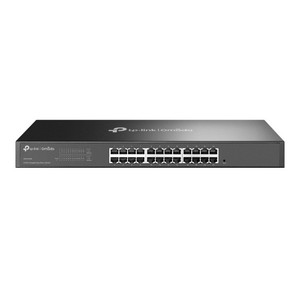
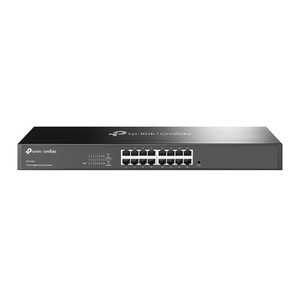
TP-Link SG2206MP 6-Port Gigabit Smart Switch with 4-Port PoE+
The TP-Link SG2206MP is a compact smart-managed Gigabit switch engineered for distributed surveillance, access control, and wireless deployments where power and connectivity must converge in tight spaces. It delivers four IEEE 802.3at+ PoE+ ports capable of 30W per port — enough for PTZ cameras, thermal imaging units, or dual-radio access points — plus two unpowered Gigabit uplink ports for core network connectivity. The combination of managed switching, PoE budgeting, and flexible mounting (wall, ceiling, DIN-rail, or rack) eliminates the need for separate power injectors and reduces the number of devices in a small electrical closet or fieldside cabinet.
Key Features
- 4-Port PoE+ (802.3at+): 30W per port, 90W total budget. Supports high-power PoE devices — PTZ cameras, thermal imagers, multi-antenna APs — without auxiliary power injectors.
- 6 Gigabit Ports: All ports run 1 Gbps full-duplex. Bitrate sufficient for H.264/H.265 compressed multi-megapixel camera feeds; 100m maximum cable run (Cat5e/Cat6).
- Smart-Managed Switching: VLAN segmentation, QoS per-port prioritization, and port isolation prevent bandwidth contention between camera streams and management traffic.
- SNMP Monitoring: Remote port status and PoE power delivery visibility; diagnose field faults without on-site visits.
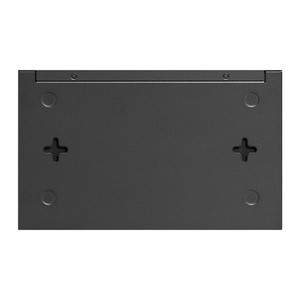
- Flexible Mounting: DIN-rail, wall-mount, ceiling, or 1U rack installation. Low footprint and power draw (15W typical) fit constraint installations.
- Industrial Operating Temperature Range: Rated for harsh outdoor cabinets and uncontrolled environments without active cooling.
- Dual-Core Processor @ 880MHz: Handles VLAN bridging, QoS filtering, and SNMP polling without traffic stalls on modest deployments (<16 active streams).
Smart-managed architecture ensures deterministic performance in multi-discipline sites. VLAN isolation keeps IP camera traffic on Segment A and access-control wiring on Segment B, reducing noise and improving fault isolation. QoS rules prioritize real-time video over background synchronization, critical when upload bandwidth is constrained. Port-level power budgeting prevents cascade brownout if an attached camera draws more than allocated — the switch throttles or isolates the offending port rather than dragging down the entire device.
The SG2206MP is not a core aggregation switch; it's a field-deployed edge switch. A 24-port managed core switch uplinks to one of the two unpowered Gigabit ports, concentrating multiple SG2206MP units across a campus. This architecture scales: add another SG2206MP to a distant building, uplink it over a single fiber run, and deploy another 4 cameras without running new power to the structure. Total device power consumption (15W) makes it suitable for solar-powered outdoor cabinets or UPS-backed indoor closets where thermal headroom is tight.
ONVIF-compliant IP cameras and access-control gateways integrate transparently; no firmware tweaks or driver installations required. Standard Ethernet cabling and switch firmware updates (available via TFTP or web GUI) ensure long-term operational continuity. TP-Link's Omada SDN controller (optional, cloud or self-hosted) provides centralized policy management across multiple switches, though the SG2206MP can operate standalone with local CLI or web-based configuration.
Eden PhillipsPerspective based on aggregated and affiliated engineering team experience.
We've deployed the SG2206MP across numerous small-footprint surveillance and access-control projects, and it fills a genuine gap: you need managed switching with inline power, but a full 24-port industrial switch is overkill and burns too much power. The SG2206MP delivers both in a device the size of a deck of cards. What sets it apart from commodity unmanaged PoE switches is the VLAN and QoS engine. On a recent campus retrofit, we isolated four IP cameras onto one VLAN and two door controllers onto another — eliminates broadcast storms and gives each segment predictable latency. The PoE+ budget (90W total, ~30W per port) is the realistic constraint: if you're stacking three PTZ cameras, you can't run all three simultaneously at full pan/tilt speed. Plan for it in the commissioning phase, and you'll avoid a field callback.
Technical Highlights:
- PoE+ Power Delivery (802.3at+ up to 30W per port): Eliminates wall-mounted power injectors on remote camera installs. Four ports at 30W each means you can power a PTZ + thermal dual-camera pair on separate ports without voltage sag. Budget the full 90W pool if running all four ports simultaneously; oversized PSU headroom is cheaper than a callback.
- Gigabit Backplane with Smart QoS: 1 Gbps per port is sufficient for two simultaneous 5MP H.265 streams per camera. QoS tagging ensures video doesn't starve access-control heartbeats during bulk uploads or NVR backups. We've seen the QoS engine prevent timeout cascades in mixed IP/access environments on low-bandwidth uplinks.
- SNMP and Remote Monitoring: Trap alerts on port down, PoE fault, or temperature threshold breach. On multi-site deployments, one NOC operator can monitor ten SG2206MP devices without calling field techs for basic status checks. Syslog integration feeds into centralized security event logs.
- DIN-Rail and Wall-Mount Versatility: Fits where a 24-port switch cannot. We've mounted these inside NEMA 4X cabinets on exterior walls, above false ceilings in retail, and on utility poles in parking lots. 15W power draw means battery backup is feasible for temporary failover or graceful shutdown.
- Industrial Temperature Rating: Operates -10°C to 55°C without forced cooling. Unheated outdoor cabinets and hot attic spaces are within spec — no climate-controlled comms closet required.
Deployment Considerations:
- PoE power budget is the limiting factor. Four 30W devices consume 120W, but the SG2206MP maxes out at 90W. Stagger high-power device startup via firmware scheduling or accept that you can run three PTZ cameras at full speed, not all four. Document per-port power draw during commissioning.
- Gigabit cable run limit is 100m per IEEE 802.3. Longer distances require fiber uplinks or PoE injector relocation. Confirm cable distance before installation if cameras are at the far end of large buildings.
- Dual-core processor at 880MHz handles ~16 concurrent video streams and basic VLAN/QoS rules. If you're pushing 32+ streams or complex ACLs, move up to a heavier managed switch. This is an edge device, not a core aggregator.
- Firmware updates via TFTP or web GUI are straightforward, but schedule them during maintenance windows — the device doesn't support hitless failover to a redundant unit. No built-in redundancy; pair with an external UPS for 99.9% uptime commitments.
- VLAN and QoS configuration can be local (CLI/web) or centralized (Omada controller). For single-site installs, local is simpler; for multi-site, Omada controller reduces repeat work and human error.
The SG2206MP is ideal for integrators speccing 4–12 camera sites with mixed PoE and non-PoE devices, retail access control nodes with wireless AP uplinks, or multi-building campuses where each structure needs a local edge switch. If you're building a 40+ camera deployment, consolidate multiple SG2206MP units under one Omada controller and a core managed switch. Explore the full TP-Link catalog for scalable switching and network infrastructure.