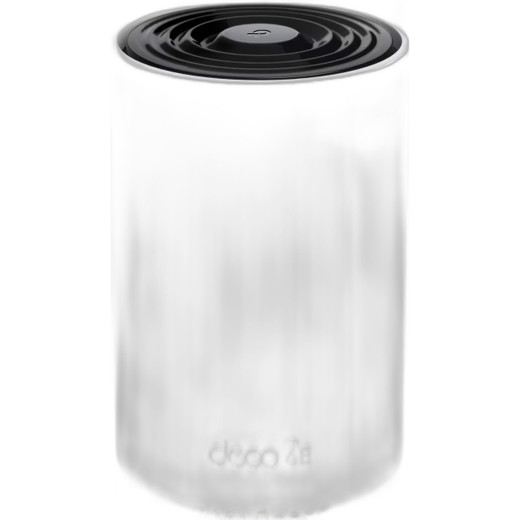
TP-Link DECO XE75 PRO(1-PACK) AXE5400 Wi-Fi 6E Mesh Unit
Overview
The DECO XE75 PRO(1-PACK) is a single AXE5400 tri-band Wi-Fi 6E mesh node that functions as a standalone router or extends existing mesh coverage in commercial and residential environments. It delivers 5378 Mbps combined throughput—574 Mbps on 2.4 GHz, and 2402 Mbps on each of the 5 GHz and 6 GHz bands. The key deployment advantage for surveillance and multi-camera installations is the 2.5 Gigabit WAN/LAN auto-sensing port plus two standard Gigabit ports, which means you can integrate PoE switches or direct IP cameras without bottlenecking streaming bandwidth. Band steering and OFDMA/MU-MIMO reduce latency and congestion when multiple cameras transmit simultaneously, while mesh redundancy ensures uptime if a single node fails.
Compatibility
The DECO XE75 PRO operates in Router or AP mode and integrates with any other DECO mesh unit via AI Mesh protocol—no matching model required to extend coverage. It supports IPv6, IPTV passthrough, and HomeShield (parental controls, antivirus, QoS, traffic reports). The 2.5G port accommodates standard gigabit PoE injectors or multi-camera PoE switches without bandwidth loss, making it suitable for surveillance head-end connections. WPA3 encryption and signed firmware prevent unauthorized access to the mesh network. The unit pairs with Alexa for voice control and integrates with existing residential or light-commercial network infrastructure.
Installation Notes
The DECO XE75 PRO features four internal antennas and HE160 channel width support on 5 GHz and 6 GHz bands for maximum throughput in open floor plans. Position the unit centrally for optimal tri-band coverage; note that 6 GHz band penetration through walls is less effective than 5 GHz, so plan wired backhaul to distant branches or cameras if direct mesh hop is insufficient. The Broadcom 1.7 GHz quad-core CPU handles concurrent mesh traffic and threat detection without latency degradation. Auto-sensing WAN/LAN ports automatically detect and configure upstream or downstream connections, simplifying deployment without manual port assignment.