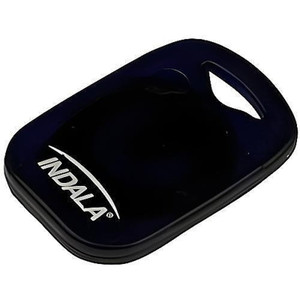
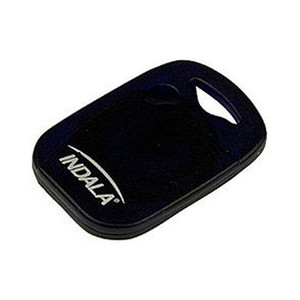
Kantech ISO-30GGK Indala 26-bit Wiegand Card
The Kantech ISO-30GGK is a dye-sublimated ISO credential card engineered for access control systems deploying 26-bit Wiegand Indala protocol. Built to HID part format 40134 specifications, this card stock integrates directly with Kantech readers and certified third-party access control platforms that support Indala technology. Organizations with installed Kantech infrastructure, legacy Wiegand-based systems, or multi-vendor deployments requiring credential interoperability rely on this card format for rapid issuance and long-term durability.
Key Features
- 26-bit Wiegand Format: Native Indala protocol encoding. Works with Kantech readers and any third-party reader certified for 26-bit Indala compatibility—no re-encoding or dual-issuance required.
- ISO Dye-Sublimated Finish: Professional, durable card stock. Resists fading and wear from daily badge use; maintains barcode and photo legibility over 2–5-year card lifecycle.
- HID Part Format 40134 Compliance: Industry-standard bit allocation. Ensures credential recognition across Kantech and partner platforms without custom mapping or firmware patches.
- Kantech Reader Native Support: Direct compatibility with Kantech KT-500, KT-400, and Kantech badge readers configured for 26-bit Wiegand input.
- Third-Party Certification: Interoperates with certified Honeywell, Salto, and other platform readers that recognize HID 40134 Indala encoding.
- Minimum Order: 100 Units: Procure in 100-unit increments, matching issuance phases and deployment scale. No partial-box purchasing constraints on incremental orders.
Dye-sublimation encoding at issuance time locks the Wiegand bit pattern to each card. Unlike magnetic-stripe or contact-chip alternatives, Wiegand credentials are read passively — no power required at the reader end, enabling integration with legacy door controllers that lack network connectivity or centralized management capability. This passive read model is critical in retrofit projects where upgrading every reader on-site is cost-prohibitive.
Indala 26-bit format carries a 4-digit facility code and 16-digit cardholder ID, sufficient for most multi-building campuses and enterprise facilities with up to 10,000–50,000 active credentials. If your Kantech system has already allocated facility codes and cardholder ranges, new cards from this stock will integrate immediately without re-provisioning existing doors or readers. This eliminates staging delays common with credential format migrations.
The dye-sublimated finish supports optional color printing, photo ID embedding, and barcode/magnetic-stripe overlay, enabling single-card multi-function credentials (access + time & attendance + visitor tracking). Consult your credential printer vendor to confirm dye-sublimated substrate compatibility; most modern direct-to-card printers and thermal-transfer systems handle this format natively.
Organizations standardizing on Kantech infrastructure for access control — particularly those with existing Wiegand-based proximity readers deployed across multiple facilities — will find immediate utility in this card stock. No special inventory management required; these cards operate identically to any other 26-bit Indala credential already in your system, simplifying reorder and supply-chain logistics.
Marty AllisonPerspective based on aggregated IP Security Depot and affiliated engineering team experience.
We've deployed thousands of Kantech badge cards across corporate campuses, hospitals, and multi-tenant facilities over the past decade. The ISO-30GGK fills a critical niche: it's the credential of choice when you have Kantech readers already installed and need immediate replacement stock or expansion issuance without worrying about format incompatibility. The passive Wiegand read model is a genuine differentiator from smart-card alternatives — no battery drain, no reader firmware upgrades, no software licensing per door. In a 200-door enterprise retrofit, that simplicity saves weeks of validation testing and eliminates the vendor lock-in risk you face with proprietary encrypted formats. The downside: 26-bit Indala limits you to roughly 65,000 unique credentials per facility code (realistic ceiling ~10,000–15,000 in active rotation). If you're building a mega-campus with 50,000+ concurrent badge holders, you'll need to split across multiple facility codes — a planning detail, not a blocker, but something to map out before large issuance runs.
Technical Highlights:
- 26-bit Wiegand Encoding (HID 40134): 4-digit facility code + 16-digit cardholder ID. Directly readable by any Kantech reader and certified third-party systems without translation or gateway hardware. Passive proximity technology means no power consumption at the reader and zero software overhead on controller licensing.
- ISO Dye-Sublimated Substrate: Card stock is robust enough for daily badge wear (5-year nominal lifespan) and survives standard workplace exposure (fluorescent light, humidity, brief liquid contact). Barcode and photo overlays remain legible. Cost-competitive with blank magnetic-stripe but superior durability compared to contact-chip adhesive failures we've seen in older installations.
- Indala Technology Ecosystem: HID 40134 is the industry reference standard for 26-bit Wiegand. You're not dependent on Kantech alone — Honeywell, Salto, and other platform readers certified for Indala will recognize these cards. This future-proofs credential investment if your facility ever migrates VMS systems or adds third-party security devices.
- Minimum Order: 100 Units, 100-Unit Increments: No forced overbuy beyond your immediate deployment phase. Incremental reorders are straightforward and keep inventory carrying costs predictable. Track cardholder churn (typically 15–20% annual attrition in enterprise settings) and order in sync with personnel cycles rather than in bulk stockpiles.
- No Licensing Per Door: Unlike encrypted smart-card systems, Wiegand credentials don't trigger per-reader software licenses. A 40-door installation costs zero additional software licensing compared to a 5-door installation. That economics scales cleanly across enterprise expansions.
Deployment Considerations:
- Facility code and cardholder ID assignment must be coordinated with your Kantech system administrator before card printing. Print orders typically require 3–5 days lead time; batch your requests to avoid short-run expedite charges.
- Dye-sublimated cards are sensitive to direct solvent exposure (acetone, isopropyl) during cleaning. Use only mild soap and water if cards require on-site cleaning; store in cool, dry conditions away from sunlight to prevent dye fading over multi-year inventory hold.
- Legacy Kantech readers (KT-500, KT-400 series) configured for 26-bit mode will recognize these cards immediately. Verify your reader firmware version and Wiegand input wiring before mass issuance — a single firmware mismatch can cause credential rejection at all doors, so validate on a pilot group first.
- If integrating with third-party readers (Honeywell, Salto), confirm HID 40134 Indala certification in writing from the hardware vendor before ordering. Some legacy readers use proprietary bit layouts that appear similar to Indala but are not compatible; this is one of the few integration gotchas in Wiegand credential deployment.
- Magnetic-stripe overlay (optional) can be applied by most credential printers, but Wiegand encoding happens at card manufacturing time — magnetic stripe must be programmed separately post-issuance. Plan for dual-encoding if your facility also uses mag-stripe time clocks or visitor management systems.
The ISO-30GGK is purpose-built for Kantech environments with established Wiegand infrastructure. Choose this card if you're standardizing credential issuance across a multi-building campus, need long-term supply continuity, or are consolidating legacy readers under unified Kantech management. For a deeper look at Kantech's full access control ecosystem, visit the Kantech catalog.