
Showing Results for Intercom Microphones
-
Save $0.51

Speco Technologies DM520P Push to Talk CB/Handheld Microphone
Push-to-talk CB microphone with phono connector for fleet and dispatch
- Handheld PTT design with phono plug for standard CB radio systems
- Clear voice transmission optimized for mobile and field operations
- Portable form factor built for repeated use in vehicles and dispatch centers
Usually Ships in 2-3 Weeks Free shipping over $499$39.50 $38.99 Save $0.51 -
Save $0.81

Speco Technologies M24GLK 2.4GHz Wireless Mic Kit
2.4GHz wireless microphone kit with receiver and bodypack transmitter
- Bodypack transmitter design keeps hands free during security patrols and monitoring
- Unlicensed 2.4GHz ISM band operates without FCC licensing across multiple sites
- Standard audio connectors integrate directly with DVRs, NVRs, and intercom systems
Usually Ships in 2-3 Weeks Free shipping over $499$348.80 $347.99 Save $0.81 -
Save $129.51
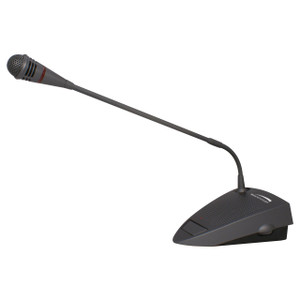
Speco Technologies MCDT300A Conference Mic
Tabletop condenser mic with cardioid pickup for conference rooms
- Cardioid pattern isolates speech and reduces ambient noise in meetings
- XLR analog output integrates directly with existing audio systems
- Adjustable head and metal base mount securely on conference tables
Usually Ships in 2-3 Weeks Free shipping over $499$210.50 $80.99 Save $129.51 -
Save $0.01

Speco Technologies MCHH100A Dynamic Handheld Microphone
Dynamic handheld mic with cardioid pattern for security intercoms and PA
- Cardioid polar pattern rejects off-axis noise for clear speech in multi-source environments
- Compact, lightweight handheld design for extended use in field deployments
- Standard audio connectors integrate with existing intercom and PA system infrastructure
Usually Ships in 2-3 Weeks Free shipping over $499$69.00 $68.99 Save $0.01 -
Save $0.01

Speco Technologies MGS1 Goose Neck Microphone
Flexible gooseneck microphone for surveillance and conference audio
- Adjustable stem positioning for precise placement in tight spaces
- Mounts on desk, stand, or wall for multi-scenario deployments
- Integrates with standard surveillance system audio inputs
Usually Ships in 2-3 Weeks Free shipping over $499$158.00 $157.99 Save $0.01 -
Save $0.01
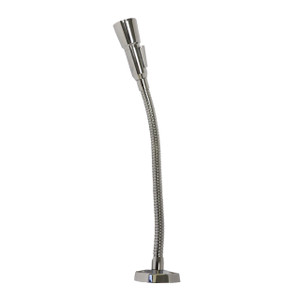
Speco Technologies MGS1C Goose Neck Microphone- Chrome
Chrome gooseneck mic for DVR/NVR systems with flexible positioning
- Gooseneck design allows precise angle adjustment for optimal audio capture
- Works with standard audio inputs on DVR, NVR, and IP intercom platforms
- Chrome finish with wall/surface mount for control rooms and reception areas
Usually Ships in 2-3 Weeks Free shipping over $499$165.00 $164.99 Save $0.01 -
Save $0.81

Speco Technologies MHL5S Gooseneck Microphone
Gooseneck desktop mic for control rooms and dispatch centers
- Adjustable gooseneck positioning optimizes speech clarity without moving base
- Desktop mount integrates directly into console stations and monitoring workstations
- Standard audio connectors work with intercoms, PA systems, and mixing boards
Usually Ships in 2-3 Weeks Free shipping over $499$223.80 $222.99 Save $0.81 -
Save $391.31
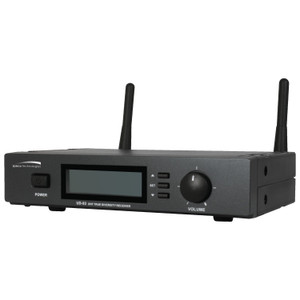
Speco Technologies MUHF101 UHF Receiver
Single-channel UHF diversity receiver with dual antenna RF switching
- Dual antenna inputs with intelligent switching reduce signal dropout in multi-path RF environments
- UHF operation across licensed and unlicensed allocations integrates with existing wireless systems
- Desktop or rack-mount form factor with professional audio connectors for flexible installation
Usually Ships in 2-3 Weeks Free shipping over $499$638.30 $246.99 Save $391.31 -
Save $205.31

Speco Technologies MUHFHH UHF Handheld Microphone
Frequency-selectable UHF handheld mic for wireless security and AV setups
- UHF wireless transmission with configurable frequency selection to avoid RF interference
- Professional-grade microphone capsule captures clear audio for surveillance and integration
- Handheld form factor works with standard UHF receiver systems, cable-free operation
Usually Ships in 2-3 Weeks Free shipping over $499$332.30 $126.99 Save $205.31 -
Save $206.51
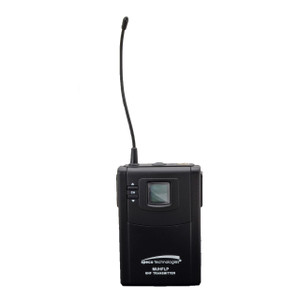
Speco Technologies MUHFLP UHF Bodypack Mic
Frequency-selectable UHF bodypack transmitter for wireless audio
- Tunable UHF band with interference avoidance for shared spectrum
- Bodypack worn on torso enables hands-free operation during events
- Compatible with UHF receiver systems for complete wireless chains
Usually Ships in 2-3 Weeks Free shipping over $499$335.50 $128.99 Save $206.51 -
Save $148.01

Valcom SBS-400 Dynamic Desk Paging Microphone
Dynamic desk microphone for paging and two-way intercom in commercial facilities
- Dynamic mic captures natural voice for paging and announcements
- Modular desk-mount build for repeated commercial-volume use
- 1.5 lb microphone made in the United States for high-traffic sites
Usually Ships in 2-3 Weeks Free shipping over $499$312.00 $163.99 Save $148.01 -
Save $202.26

Valcom V-400 Dynamic Desk Paging Microphone
Wall-mounted desk paging mic for retail, restaurants, dispatch
- Dynamic mic element captures voice across variable distances
- No precise mic-distance discipline needed for usable output
- 1.4 lb desktop paging mic for control-room operator use
In stock · Ships same business day Free shipping over $499$421.25 $218.99 Save $202.26 -
Save $129.81
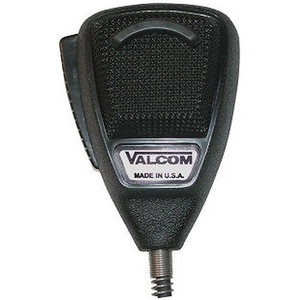
Valcom V-420 Dynamic Noise-Canceling Paging Microphone
Dynamic noise-canceling paging mic with press-to-talk control
- Dynamic noise-canceling element reduces background interference
- Handheld ergonomic grip for comfortable extended operator use
- 0.75 lb handheld paging mic for noisy-environment paging
Usually Ships in 2-3 Weeks Free shipping over $499$278.80 $148.99 Save $129.81