What is the difference between 60GHz and 5GHz wireless bridges?
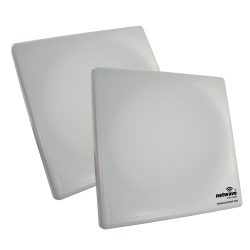
60GHz offers higher throughput (multi-gigabit) over shorter distances (1–2 km) with compact antennas but suffers severe rain fade. 5GHz provides longer range (2–5 km), better weather resilience, and lower cost, but with modest throughput. Choose 60GHz for high-bandwidth short links and 5GHz for longer reach and reliability.
Do wireless bridges require line-of-sight?
Yes, both 60GHz and 5GHz are LoS technologies. 60GHz requires nearly perfect LoS; trees and rain quickly degrade or break the link. 5GHz has better foliage penetration but still needs clear Fresnel zone clearance. Site survey with RF propagation tools is mandatory before purchase.
Can I use wireless bridges for redundancy in a surveillance system?
Yes. Deploy dual bridges on the same backbone path with managed routing or bonding. VLAN-aware bridges can split traffic or implement hot-standby failover. Dual-bridge designs eliminate wireless as a single point of failure, critical for incident recording continuity.
How much power do wireless bridges consume and how should I power remote sites?
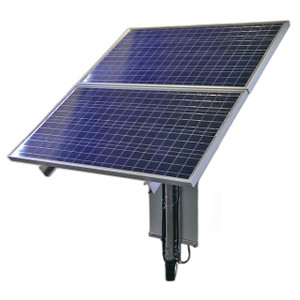
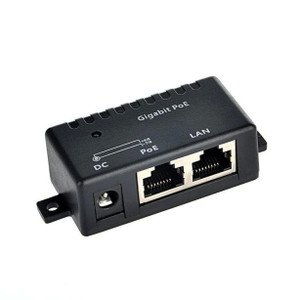
Bridges typically draw 15–50 W depending on frequency and modulation. Remote unmanned sites require reliable DC power: solar panels with battery backup, generator, or UPS. Budget extra margin for PoE injection if powering cameras and switches over the same line.
Are 5GHz and 60GHz bridges licensed or unlicensed?
Most 60GHz bridges operate in unlicensed E-Band (57–66 GHz) globally. 5GHz is unlicensed in ISM band (5.150–5.875 GHz) in most regions but varies by country. Some countries or applications require individual licenses. Always verify local spectrum regulations before deployment.
How do I choose between point-to-point and point-to-multipoint bridges?
Point-to-Point (PtP) is best for connecting two locations; each link is independent and offers maximum bandwidth. Point-to-Multipoint (PtMP) connects one base to many remotes, reducing infrastructure but sharing airtime and adding latency. Use PtMP for 3–8 remote sites where uniform coverage is acceptable; use PtP for high-bandwidth or latency-critical links.