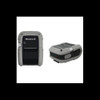
Honeywell RP4F00N0B12 Industrial Direct Thermal Label Printer
The Honeywell RP4F00N0B12 is a purpose-built mobile label printer for warehouse, manufacturing, and field logistics environments where fixed infrastructure is impractical or unavailable. It combines Android-based processing with Direct Thermal printing to eliminate ribbons, reduce consumables cost, and deliver scannable barcode output on demand. With IP54 dust and splash resistance, a 2-meter drop rating, and extended battery runtime, the RP4F00N0B12 handles the physical and operational demands of real-world supply chain work.
Key Features
- 203 DPI Direct Thermal Resolution: Produces sharp, consistently scannable barcodes and text without thermal ribbon cartridges. No ribbon jams, no supply chain dependency on specialty consumables—just thermal paper stock. Meets GS1 barcode scanning standards across UPC, Code 128, and 2D formats.
- 4900 mAh Li-Ion Battery: Supports extended field shifts without tethering to power infrastructure. Typical use cases see 8+ hours of mixed printing and idle time, enabling warehouse associates to label inventory across multiple zones without returning to a charger.
- Qualcomm Snapdragon Processor with Android OS: Native support for warehouse management system (WMS) integration, label template rendering, and real-time network communication. No external label server required for basic job submission—print jobs can originate from mobile devices, cloud print services, or enterprise applications over Wi-Fi or Bluetooth.
- Dual Wireless Connectivity (Bluetooth 5.0 & Wi-Fi 802.11 a/b/g/n/ac): Pairs directly with handheld scanners, mobile phones, and tablets via Bluetooth for immediate label production. Wi-Fi integration supports heavier print volumes and simultaneous device handoffs in high-traffic areas like shipping docks. Mixed connectivity means no single point of radio failure.
- 104 mm Maximum Print Width: Accommodates 4-inch label stock, the industry standard for shipping labels, asset tags, and compliance documentation. Supports roll or fanfold media—flexibility in label format without proprietary cartridges.
- IP54 Environmental Rating with 2-Meter Drop Durability: Dust and splash protection handle warehouse spray-downs and outdoor loading conditions. The 2-meter drop specification confirms industrial-grade plastic/metal construction that survives frequent handling by field personnel. Not submersible—avoid full water immersion, but incidental rain and moisture won't fail the unit.
- Operating Range -20°C to 55°C: Functional in cold storage facilities (walk-in freezers typically -20°C to -10°C) and heated production zones (55°C covers most uninsulated outdoor and dock scenarios). Thermal print quality remains consistent across this range, unlike inkjet which can clog in extreme cold or heat.
- Night Vision Capability: Enables label printing and verification in low-light receiving areas, underground distribution centers, and overnight shifts. Particularly valuable when dock lighting is inadequate for visual barcode inspection.
- Compact 510 g Design: Lightweight enough for one-hand operation or belt mounting, reducing fatigue during prolonged route labeling or returns processing. Fits in a jacket pocket or cargo pants for field technicians moving between job sites.
Integration & Compatibility
The RP4F00N0B12 integrates with most modern warehouse and logistics software via HTTPS REST APIs, SNMP monitoring, or proprietary mobile SDKs. Standard label formats—including ZPL (Zebra Programming Language) variants—are supported, easing migration from existing thermal printer workflows. Cloud print services, on-premises label servers, and direct-from-mobile-app printing all work over Wi-Fi. Bluetooth pairing with mobile computers and scanners enables cordless label-and-scan workflows common in retail returns, field asset audits, and pharmaceutical chain-of-custody applications.
Deployment Considerations
Direct Thermal's main tradeoff is label durability: thermal paper fades under UV exposure and heat over weeks to months. If labels must remain legible for years outdoors, consider thermal transfer ribbon-based printers for higher permanence. Battery replacement is field-serviceable but typically occurs after 2–3 years of daily use. The Snapdragon processor handles standard label rendering efficiently; very high-volume jobs (1000+ labels per hour) may require job batching rather than real-time mobile submission. Wi-Fi range in metal-frame warehouses can be 30–50 meters depending on AP density—plan your access point strategy accordingly.
Frequently Asked Questions
Q: Does the RP4F00N0B12 require a label server or print management software?
A: No. The printer runs Android and can accept print jobs directly from mobile apps, cloud services, or Wi-Fi-enabled devices. Many deployments use a Honeywell or third-party label template app on a mobile device, but integration with an existing enterprise label server (like Zebra SetSense or Honeywell's own print management platform) is optional and depends on your workflow complexity.
Q: What label sizes and media types does the RP4F00N0B12 support?
A: With a 104 mm (4.1 in) maximum print width, the printer handles standard 4-inch shipping labels (4x6), asset tags (2x2, 2x3), and custom-cut labels on roll or fanfold thermal paper. It does not support label materials like fabric or synthetic polymers—thermal paper only. Confirm media thickness (typically 0.003–0.005 inches) before ordering large quantities.
Q: Is the RP4F00N0B12 compatible with Zebra or Datamax label design software?
A: The printer supports ZPL and similar command sets, so labels designed in common thermal printer software (including Zebra Designer, Datamax, and Honeywell's own template tools) will print. However, test your existing label files before deployment to ensure proper scaling and layout on the smaller mobile screen.
Q: What is the expected battery life per charge?
A: The 4900 mAh battery typically delivers 8+ hours of mixed use (printing, idle, wireless communication) in normal warehouse conditions. Heavy continuous printing or cold environments (below 0°C) will reduce runtime. Battery replacement is a field-serviceable procedure.
Q: Can the RP4F00N0B12 work indoors and outdoors?
A: Yes. The IP54 rating and -20°C to 55°C operating range support most indoor and outdoor logistics environments. The unit is not waterproof—avoid submersion or extended rain exposure. For fully sealed, submersible printing, consider a different product line.
Q: Does the RP4F00N0B12 have GPS or location tracking?
A: The unit does not have built-in GPS. Location services depend on the host mobile device or integration with a location middleware. If real-time asset tracking with precise GPS is critical, pair the RP4F00N0B12 with a GPS-enabled mobile computer.
Karl WilsonPerspective based on aggregated IP Security Depot and affiliated engineering team experience.
The RP4F00N0B12 represents a practical pivot toward edge-based label printing in logistics. By pairing a Qualcomm Snapdragon processor with Direct Thermal output and Android-native wireless stacks, Honeywell addresses a real pain point: eliminating the label queue bottleneck. Your associates no longer wait for a central printer to finish a run—they print on demand from the receiving dock, the delivery truck, or the cold storage aisle. The 203 DPI specification is industry-standard for barcode work; it exceeds GS1 requirements and handles both 1D and 2D codes reliably.
Technical Highlights:
- Direct Thermal + No Ribbons: Thermal paper is cheaper and simpler than ribbon cartridges. For a warehouse printing 500+ labels daily, this cuts consumables cost by 30–40% annually versus inkjet or ribbon-based thermal printers. No clogged nozzles, no ribbon misfeeds.
- 4900 mAh Battery for 8+ Hours: A full shift of label production and idle time without charging. For field teams rotating between three warehouses or outdoor distribution hubs, one charge covers a complete day. Avoid multi-shift operations without mid-day charging access.
- IP54 + 2-Meter Drop Rating: These are genuine durability specs, not marketing claims. Your device will survive a spilled pallet jack, a drop from a shelf, and a spray-down—common logistics hazards. The caveat: it's not submersible, so don't expect it to work after full water immersion.
- Dual Wireless (Bluetooth 5.0 & Wi-Fi ac): Bluetooth pairs instantly with mobile devices or scanners for low-latency, cordless workflows. Wi-Fi handles higher throughput and enterprise integration. No single radio failure takes down your print capability.
Deployment Considerations:
- Thermal paper durability is the main tradeoff: labels fade under UV and heat after weeks outdoors. If labels must survive months in sunlight, use a thermal transfer (ribbon-based) printer instead.
- Wi-Fi coverage in metal-frame warehouses requires careful AP planning—expect 30–50 meter range. Bluetooth backup means you're not stranded if Wi-Fi drops.
- The Snapdragon processor is sufficient for standard label rendering, but very high-volume workflows (1000+ labels/hour) should pre-batch jobs rather than rely on real-time mobile submission.
The RP4F00N0B12 is purpose-built for asset tracking, returns processing, and field service labeling in supply chains where mobility and operational independence matter more than permanent outdoor label durability. If your team spends half the shift moving between zones and needs immediate label output, this is a thoughtful choice.