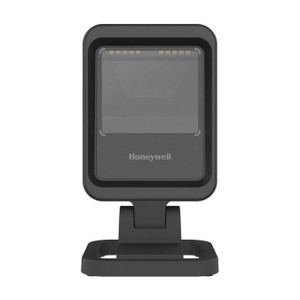
Honeywell 7680GSR-2-N Xenon XP 1952g Area Imager Scanner
The Honeywell 7680GSR-2-N is a general-purpose area imager designed for warehouse, distribution, retail, and field service teams that need both 1D linear barcodes and 2D matrix codes captured in a single device. Built to operate across multi-shift enterprise environments, this scanner handles the physical and electrical demands of continuous deployment without sacrificing decode speed or reliability.
Key Features
- Area imager capturing 1D and 2D barcodes: Reads everything from traditional UPC codes to QR codes and Data Matrix symbols in one scan engine—no need to swap devices or maintain separate hardware streams. This flexibility cuts procurement overhead and reduces user training in mixed-barcode environments (retail inventory, asset tracking, cross-dock operations).
- Working range 2.5 to 50.8 cm (1 to 20 inches): Covers standard counter scanning, shelf scanning, and arm's-length field capture without requiring operators to position the device at exact distances. The 20-inch ceiling accommodates both close-range detail work and rapid scanning at normal holding distance, minimizing operator fatigue during high-volume scanning shifts.
- Bluetooth connectivity with USB fallback: Wireless pairing eliminates cable clutter and allows roaming operators to move freely through aisles or service locations. USB option provides a wired fallback if Bluetooth range or interference becomes problematic—choose based on your mobile compute platform and warehouse infrastructure. Typical open-air Bluetooth range is 30–100 feet, though metal racks and industrial RF noise can reduce pairing stability.
- IP65 environmental rating: Dust and water spray won't disable the optics or buttons—a genuine advantage in wet environments (food processing, beverage distribution) or dusty settings (outdoor receiving docks, raw materials handling). This rating protects the scan window and housing against splash and dust ingress but does not mean full submersion; avoid dunking or high-pressure washdown directed at seams or connectors.
- 2.0 m (6.5 ft) drop tolerance: Concrete floors are unforgiving. The 7680GSR-2-N tolerates drops from roughly waist height—the typical failure mode for hand-held scanners in warehouse operations. This rating reduces replacement frequency and unplanned downtime compared to consumer-grade or less rugged alternatives.
- Area imager decode speed advantage: The imaging sensor captures the entire barcode at once rather than tracing a single line, making it inherently faster at reading damaged or poorly printed barcodes. This translates to fewer failed scans and re-tries on aged inventory labels, faded shipping marks, or low-contrast surface finishes—a real productivity gain in high-volume distribution centers.
Deployment Considerations
The 7680GSR-2-N (often searched as 7680GSR 2 N) integrates with standard barcode scanners and warehouse management systems via HID (Human Interface Device) or serial-port emulation protocols. Verify your host platform's driver support before committing to fleet-wide procurement—most modern mobile computers and terminals support these protocols out of the box, but legacy systems may require adapter firmware.
Bluetooth range is influenced by antenna placement on your mobile compute device and the presence of metal storage infrastructure. In facilities with dense metal racking or heavy RF noise (forklifts, industrial machinery), test pairing distance and signal stability in your actual environment before mass deployment. USB connectivity provides a reliable fallback if Bluetooth performance proves inadequate in high-noise zones.
The area imager engine handles variable barcode quality without specialized optical filters or reflective-surface tuning, making it a reliable workhorse for retail, logistics, and asset-tracking deployments where barcode surface finish and printing quality vary widely. This generalist approach means fewer SKUs to manage compared to deploying laser and imager scanners in parallel.
When to Choose a Different Model
If you require working range beyond 20 inches for high-speed conveyor line scanning, or if you need specialized symbology support (medical device traceability codes, pharmaceutical serialization), evaluate other variants in the Honeywell barcode scanner family. For ultra-rugged outdoor asset tracking in high-drop-risk environments, consider a model with a higher drop rating or sealed connectors rated for submersion.
Integration & Compatibility
The 7680GSR-2-N pairs with mobile computers, tablets, and stationary terminals supporting HID keyboard emulation or serial protocols. Most modern warehouse automation platforms natively recognize barcode input from this scanner without driver installation. For legacy WMS or custom applications, confirm serial protocol support before procurement.
Frequently Asked Questions
Q: Does the 7680GSR-2-N work with both 1D and 2D barcodes?
A: Yes. The area imager engine reads UPC, EAN, Code 128, QR codes, Data Matrix, and other common 1D and 2D symbologies in a single scan without configuration changes.
Q: What happens if I drop the 7680GSR-2-N on concrete?
A: The 2.0 m (6.5 ft) drop rating means the scanner is designed to survive drops from waist height onto hard floors. Drops from greater heights or onto sharp edges may cause damage. Always test your specific drop scenarios before relying on this rating in production.
Q: Can the 7680GSR-2-N be used in wet environments?
A: The IP65 rating handles dust and water spray (like light rain or washdown spray), but avoid full submersion or high-pressure jets directed at seams and connectors. For high-moisture food processing or outdoor use, verify actual splash patterns in your facility match IP65 protection.
Q: How far is the Bluetooth range on the 7680GSR-2-N?
A: Typical open-air range is 30–100 feet, depending on the host mobile computer's antenna and environmental RF noise. Metal racks and industrial machinery can reduce range. Test Bluetooth pairing in your actual warehouse layout before full deployment.
Q: Does the 7680GSR-2-N require software drivers?
A: Most modern mobile computers and WMS platforms recognize HID barcode input without drivers. Legacy systems using serial-port protocols may require configuration. Verify driver and protocol support with your platform vendor before procurement.
Q: What's included with the 7680GSR-2-N?
A: Specific package contents are not documented in the available evidence. Contact the specialty distributor for a precise parts list before ordering.
Ted PerryPerspective based on aggregated IP Security Depot and affiliated engineering team experience.
The Honeywell 7680GSR-2-N hits a real sweet spot for mixed-barcode environments where you can't afford device proliferation. The area imager engine is inherently more forgiving than older laser scanners—it captures the entire barcode at once, which means fewer re-tries on faded labels or damaged symbols. In a high-velocity distribution center running 16-hour shifts, that translates directly to throughput.
Technical Highlights:
- 2.5–50.8 cm working range: Covers counter scanning, shelves, and arm's-length field work without forcing operator positioning—real ergonomic win over fixed-distance laser scanners.
- IP65 + 2.0 m drop rating: Survives typical warehouse abuse (splash, dust, waist-height drops). Not submersible, so skip this in full-washdown food plants, but adequate for most distribution.
- Bluetooth + USB dual connectivity: Gives you fallback options if RF noise becomes problematic. Open-air Bluetooth range of 30–100 feet is typical for mobile warehousing, though metal racks will test pairing stability.
Deployment Considerations:
- Test Bluetooth performance in your actual facility layout—metal racking and forklifts create unpredictable RF noise that can surprise you in post-deployment.
- Confirm your mobile computer or WMS supports HID or serial-port barcode emulation. Most modern platforms do, but legacy systems occasionally require adapter firmware or driver updates.
- The 7680GSR-2-N handles variable barcode quality without specialized optics, but it's not optimized for extreme range or specialized medical or pharmaceutical symbologies.
This scanner makes sense for logistics, retail, and field service operations where barcode quality varies, drop tolerance matters, and your IT team can tolerate Bluetooth pairing in a noisy RF environment. If you're running a warehouse with dense metal infrastructure or high RF interference, test before committing to fleet-wide deployment.