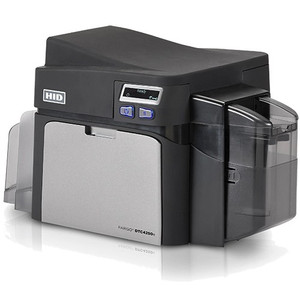
HID 52108 DTC4250e Dual Ethernet Access Control Server
The HID 52108 represents a purpose-built access control platform engineered for mid to large-scale enterprise deployments. The DTC4250e dual Ethernet model delivers redundant network connectivity with integrated server functionality, proximity reader support, and USB port expansion. This architecture eliminates single points of failure in network communication while centralizing credential management and door control logic on a single appliance.
Overview
The 52108 functions as a standalone access control engine that operates independent of remote servers for real-time access decisions. Dual Ethernet ports provide two independent network paths to your management software and backend databases — if one connection fails or a switch undergoes maintenance, access control continues uninterrupted on the second path. This redundancy is non-negotiable in facilities where network downtime translates directly to access denial and operational disruption.
The integrated point server architecture means the device makes door-open/deny decisions locally, eliminating round-trip latency to remote authentication servers during peak card swipe periods. In high-traffic entry points — loading docks, shift changes, multi-building campuses — this cuts response time and prevents credential verification bottlenecks that can back up physical queues.
Key Features
- Dual Ethernet Connectivity: Two independent network ports provide automatic failover and load balancing. If your primary network switch fails or link goes down, the device continues enforcing access control on the secondary port without manual intervention — a real difference in multi-building or geographically distributed facilities.
- Integrated Proximity Reader: Native support for proximity-based credentials (125 kHz standard) eliminates the need for external reader hardware on the device itself. Existing proximity badge stock remains usable without replacement, reducing credential migration costs.
- USB Port Expansion: Connect additional readers, input/output modules, and door control peripherals directly via USB without consuming network bandwidth. This is valuable when legacy readers already exist or when door zones are in areas where running network cable is impractical.
- Internal Point Server Architecture: Access decisions happen locally on the 52108, not on a remote server. During peak usage or network congestion, this local processing prevents authentication delays and ensures door control latency stays sub-second regardless of WAN conditions.
- Scalable Door Capacity: Supports enterprise-scale deployments across multiple facility zones. The device handles the credential logic and door state management for larger facilities without requiring additional external controllers.
- Credential Flexibility: Compatible with proximity cards and badge formats already deployed in enterprise environments, eliminating hardware replacement and reissue cycles.
Integration & Compatibility
The DTC4250e integrates with enterprise access control platforms via dual Ethernet pathways, allowing load-balanced communication and automatic failover. The internal point server function means the device operates as both credential validator and door controller, reducing dependency on external servers for real-time access decisions. USB connectivity supports legacy reader integration and expansion of input/output capacity without requiring additional network infrastructure.
When planning deployment, assess your existing proximity credential base and reader infrastructure. Facilities should plan for network switch redundancy to fully leverage the dual Ethernet ports — a single switch failure upstream negates the device redundancy benefit. USB port capacity should be inventoried against existing reader hardware to determine whether all readers will connect directly or whether network-based readers will be required for additional zones.
Deployment Considerations
The HID 52108 functions as a standalone access control engine, requiring integration with management software and backend databases for full administrative capability. Organizations deploying the 52108 typically run it in conjunction with an access control management platform that handles enrollment, credential issuance, audit logging, and visitor management. The device handles the real-time enforcement layer.
Network design is critical. Dual Ethernet ports only deliver redundancy if each port connects to a separate switch or independent network segment. Connecting both ports to the same switch defeats the purpose. For geographically distributed facilities, ensure that failover between Ethernet paths doesn't introduce excessive latency or route traffic through bottlenecks. Existing proximity card ecosystems integrate without modification, but ensure your management software supports the 52108's credential format and reader technology before deployment.
Frequently Asked Questions
Q: Does the HID 52108 work as a standalone device without a central server?
A: The 52108 operates as a standalone access control engine for real-time door and credential decisions. However, administrative functions—enrollment, credential issuance, audit reporting, and visitor management—require integration with a backend management platform. It's not meant as a single-point system for large deployments; it's meant to decentralize access logic across your facility.
Q: What happens if both Ethernet ports fail?
A: The 52108 continues to enforce access decisions locally based on its cached credential database. Real-time updates from your management system will pause until network connectivity is restored, but the device will not lock all doors or deny all credentials. This is why the internal point server architecture matters — access control doesn't halt.
Q: Can I use the 52108 with my existing proximity badge readers?
A: Yes. The device includes native support for proximity-based credentials. If your existing readers are already wired to external controllers, you can typically migrate them to the 52108's USB ports. Verify reader compatibility and wiring pinouts before deployment, but proximity badge stock does not need replacement.
Q: Is the 52108 suitable for smaller facilities?
A: The 52108 is engineered for mid-scale and larger deployments where network redundancy and centralized access logic justify the cost. Single-building facilities with simple access control needs may be better served by simpler, lower-cost controllers. Evaluate based on facility size, door count, and network criticality.
Q: What's the maximum number of doors the 52108 can control?
A: The exact door capacity depends on the specific configuration and any expansion modules attached via USB. Consult the management software documentation and the device's detailed specifications for your specific deployment size.
Q: Does the HID 52108 support integration with Milestone XProtect or other VMS platforms?
A: The 52108 is primarily an access control device, not a video management system. Some VMS platforms offer access control event integration via plugins or APIs. Verify compatibility with your specific VMS and management software before purchasing.
Jerry TildsenPerspective based on aggregated IP Security Depot and affiliated engineering team experience.
I've evaluated the HID 52108 during access control platform assessments for multi-building deployments and facilities with high network criticality. The dual Ethernet design addresses a specific operational pain point: single-path network dependencies that create access denial scenarios when switches fail, links go down, or network maintenance occurs. The integrated proximity reader and USB expansion model reduces the bill of materials compared to external reader architectures, which matters across dozens of door zones.
Technical Highlights:
- Dual Ethernet Redundancy: Two independent network paths eliminate network bottlenecks and provide automatic failover. This is critical for multi-building campuses and facilities where a single switch failure translates directly to access denial. The failover is automatic — no manual intervention, no backup activation delay.
- Internal Point Server Architecture: Access decisions happen locally on the 52108, not on a remote server. During peak card swipe periods or network congestion, this local processing keeps door response time sub-second. In loading docks or shift-change scenarios with high traffic, this prevents authentication bottlenecks that back up physical queues.
- Native Proximity Reader Support: Eliminates external reader hardware on the device itself and allows direct migration of existing proximity badge stock. No credential reissuance cycle, no hardware replacement — your existing 125 kHz cards work as-is. This is a real cost factor in facilities with thousands of active credentials.
- USB Port Expansion: Connect additional readers and I/O modules without consuming network bandwidth or requiring network infrastructure in remote areas. Valuable when legacy readers already exist or when door zones are in areas where running network cable is impractical or expensive.
Deployment Considerations:
- Dual Ethernet only delivers redundancy if each port connects to a separate switch or independent network segment. Connecting both to the same switch defeats the architecture. Verify your network design before deployment.
- The device requires backend software integration for enrollment, credential issuance, and audit logging. It's not a standalone solution for administrative control — it's the access enforcement layer. Ensure your management platform supports the 52108 and your existing credential format before purchase.
- USB port capacity should be assessed against your reader infrastructure inventory. If you have more readers than USB ports, network-based readers or additional expansion modules will be required, adding cost and complexity.
- Cached credential database means the 52108 can enforce access locally if network fails, but real-time credential updates from your management system will pause until connectivity is restored. This is acceptable for most deployments but should be understood during planning.
Position the HID 52108 for multi-building campuses, distributed facility access control, or any deployment where network redundancy is non-negotiable and centralized access logic must survive single-path failures. It's engineered for organizations that have experienced access denial due to network failures and need distributed control architecture. It's not the right fit for small single-building facilities where simpler, lower-cost controllers suffice.