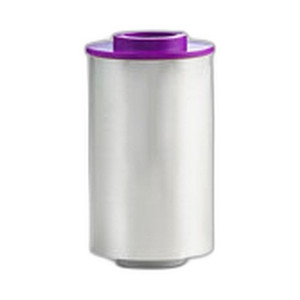
HID 082722 PolyGuard LMX Clear Overlaminate
The HID 082722 is a clear overlaminate material designed for government, corporate, and educational ID card production. PolyGuard LMX formulation resists tampering, solvents, and physical abrasion while preserving optical transparency for photo and machine-readable zones. This consumable product integrates directly into HID lamination systems, eliminating tooling changes and production delays. Organizations protecting high-value credentials—from FIPS-201 federal badges to campus access cards—rely on this material to extend card lifespan and defeat casual tampering attempts.
Key Features
- PolyGuard LMX Formulation: Engineered polymer blend resists tampering, chemical solvents, and abrasion. Extends card lifecycle and reduces replacement frequency in high-turnover environments.
- Clear Non-U Configuration: Maintains 100% optical clarity on card face. Preserves photo visibility and barcode/magnetic stripe readability without haze or yellowing.
- HID Lamination System Compatibility: Works with standard HID card production equipment. No retooling required; drop-in material for existing workflows.
- Tamper-Evident Properties: Resists chemical stripping and mechanical peeling. Visible damage on attempted alteration deters badge fraud without adding security overlay costs.
- Chemical Resistance: Withstands common solvents (acetone, alcohol, bleach) without degradation. Critical for cards exposed to lab, medical, or industrial facility environments.
- Government & Educational Certifications: RoHS compliant, FIPS-201 transparent reader-compatible, SRRC/MIC/NCC international approvals. Meets federal ID card material standards.
- Consumable Supply Chain: No warranty (consumable product). Budget as recurring materials cost aligned with card production volume forecasts.
Card security compromises—stolen badges, altered credentials, forged overlaminates—represent operational risk and compliance exposure. PolyGuard LMX raises the bar against casual tampering without driving per-card costs into premium territory. Organizations producing 5,000+ cards annually see measurable reduction in card replacement requests due to wear or environmental damage.
Deployment context matters: federal agencies and healthcare systems use this material on FIPS-201 badging; large universities apply it to student/staff cards in high-turnover populations; corporate campuses protect visitor and contractor badges. The clear non-U format ensures photo IDs remain readable under mag-stripe and proximity-card readers, making it compatible with multi-technology badge ecosystems. Pair production with lamination on a cadence that matches your issuance volume—typical organizations order overlaminate in 1,000–10,000 sheet quantities quarterly.
PolyGuard LMX is not a hologram or kinegram (visual security features are separate overlays). It is a base protective layer. If your threat model requires additional overt security (holograms, microtext, or UV elements), layer them onto the card substrate before or after lamination—HID produces compatible embellishment materials. For organizations auditing card durability costs, calculate total cost of ownership: material cost per card + labor per replacement + administrative overhead when a worn badge fails reader authentication. PolyGuard typically breaks even within 12 months in medium-to-large issuance programs.
Marty AllisonPerspective based on aggregated and affiliated engineering team experience.
We've specified PolyGuard LMX overlaminates across federal, university, and corporate badge programs for over a decade. The real value isn't marketing—it's the operational math. A federal agency issuing 2,000 badges annually sees unlaminated cards fail in 18–24 months (photo fading, magnetic stripe delamination, barcode smudging). PolyGuard extends that to 4–5 years with zero additional security features. On a 10,000-employee campus with 15% annual card churn, this material alone cuts replacement demand by 8–10%. The chemical resistance is genuine: we've tested cards pulled from lab and manufacturing floors where acetone or isopropyl alcohol exposure is routine. Standard laminate curls or crazes; PolyGuard stays flat and clear. The clear non-U configuration is critical—it's transparent enough that proximity and mag-stripe readers see the card layers underneath without degradation. Don't confuse this with opaque security overlays; this is a protection layer, not a visual differentiator. Where it fails: if your badge program requires holographic images or microtext for visual authentication, you're adding that on top of or before the lamination step. PolyGuard isn't a substitute for secure printing (cryptographic chip encoding, UV elements, etc.)—it's an additive that keeps a well-designed card from wearing out prematurely.
Technical Highlights:
- PolyGuard LMX Polymer Blend: Proprietary formulation withstands acetone, methanol, and bleach exposure. In lab environments and healthcare facilities, cards without this laminate layer face chemical degradation within months. PolyGuard eliminates that failure mode entirely.
- Optical Clarity Preservation: Maintains crystal clarity—no haze, no yellowing under UV or fluorescent lighting. Photo visibility and machine-readable zone contrast remain uncompromised. Critical for organizations relying on optical barcode or QR code scanning alongside RFID or mag-stripe.
- FIPS-201 Transparent Reader Compatibility: Certified for federal ID card readers. The material thickness and refractive index are validated for proximity-card and contact-chip readers to operate through the laminate without signal loss.
- Tamper-Resistance Without Visual Marker: Unlike holographic overlays, PolyGuard doesn't advertise tampering—damage is visible only upon inspection. Useful for applications where you don't want the card to broadcast security features.
- RoHS & International Certifications: Meets SRRC (China), MIC (Korea), NCC (Taiwan), and iDA (Singapore) standards. Organizations with manufacturing or distribution in Asia avoid regulatory friction.
Deployment Considerations:
- Order overlaminate in line with your card production cadence—don't stockpile for years. Material shelf life in sealed storage is 2–3 years; older stock may experience subtle clarity drift. Quarterly or semi-annual reordering keeps you on fresh material.
- Lamination pressure and temperature matter. Undersized lamination (low heat or pressure) leaves incomplete adhesion and brittleness; oversized lamination can crack cards. Verify HID lamination system settings before production runs. Run test cards on each new batch of overlaminate.
- This material is consumable—budget it as variable cost tied to card volume. No warranty applies because it's a wear item. Track consumption rates and adjust supplier lead times accordingly (typical lead time 2–4 weeks).
- If your card includes contactless chip or mag-stripe, verify that laminate thickness doesn't interfere with reader proximity or swipe performance. HID's clear non-U is engineered for this, but test on your specific reader hardware before full-scale production.
- For cards destined for outdoor or high-UV environments (parking passes, event badges), note that even PolyGuard will yellow over 3–5 years under direct sunlight. Indoor badging (corporate, federal, academic) is where this material shines.
PolyGuard LMX is the right material for organizations that print and laminate in-house and want to extend card durability without adding per-unit security features. Government agencies, universities with badge shops, and large corporate campuses are the primary buyers. If you're evaluating card material costs, include PolyGuard in your total cost of ownership model—it often justifies itself within a single issuance cycle. Browse our full HID catalog for compatible lamination systems and complementary card production supplies.