HID 082710 LMX 1.0 Clear Half Overlaminate
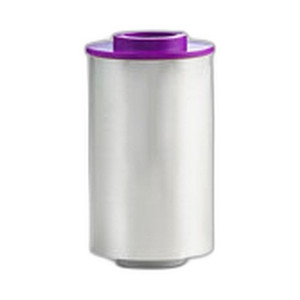
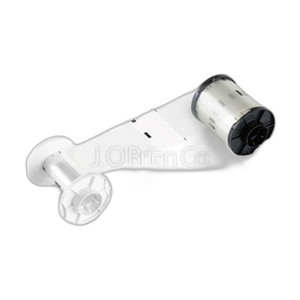
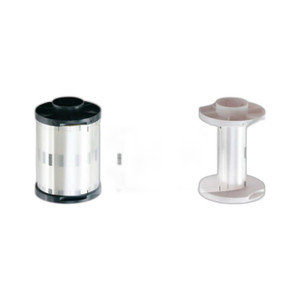
The HID 082710 is a consumable overlaminate film roll designed for batch card production on HID lamination equipment. The 1.0 mil polyester layer delivers wear, chemical, and tamper resistance while maintaining optical clarity for card readability and photo visibility. The half-panel design protects the upper critical areas (photo, name, ID number) while leaving the lower section unlaminated, reducing material cost per card and improving card flexibility. With a 1,000-image yield per roll, this product is sized for high-throughput badge and access-card issuance operations in corporate, government, and institutional environments.
Key Features
- 1.0 mil Thickness: Polycarbonate-grade protection against surface abrasion, chemical exposure, and intentional tamper attempts. Maintains card bend-radius for wallet carry without cracking or delamination.
- Half-Panel Coverage: Protects the top 50% of the card (photo, ID number, name, expiration date) while leaving the lower section unlaminated. Reduces material waste per card and lowers cost per image without sacrificing security on high-touch areas.
- 1,000-Image Yield: Standard roll capacity supports batch runs from 100 to 1,000 cards per order cycle without media change. Predictable consumable cost for budget planning.
- Clear Polyester Composition: Optical transparency preserves barcode readability, photo contrast, and color fidelity. No yellowing or clouding under UV or fluorescent lighting over time.
- HID System Compatibility: Engineered for HID lamination presses and applicators. Tension, temperature profile, and adhesive characteristics matched to HID equipment specifications.
- Tamper-Evident Design: Polyester substrate shows creasing, peeling, or partial removal as a visible security indicator. Not an embedded hologram or microtext, but physical evidence of card compromise.
- Chemical Resistance: Withstands hand sanitizer, common cleaning agents, and environmental solvents (acetone, alcohol) without degradation or separation from card substrate.
- Operating Temperature Stability: Material properties maintained from -35°C to 65°C without brittleness, warping, or adhesive failure. Suitable for outdoor badge reader environments and air-gapped facilities.
The half-panel approach is a direct cost optimization for large batch operations. If you're issuing 5,000 badges annually at a corporate campus or government agency, switching from full-panel to half-panel lamination can reduce material consumption by 40-50% while retaining protection on the areas that see the most handling and visual inspection. The 1.0 mil thickness is the industry standard for access cards; thinner films (0.5 mil) offer less durability, and thicker films (2.0+ mil) add rigidity that can jam in older card readers or exceed badge-holder thickness tolerances.
Installation is straightforward: load the roll into your HID lamination system (consult your equipment manual for the specific loader tray), set temperature and pressure per the datasheet, and run your pre-printed card deck. The clear polyester does not yellow under standard indoor fluorescent or LED lighting, so cards maintain readability and aesthetic consistency over a 5-7 year card lifecycle. This is a consumable product — no warranty — but delamination or adhesive failure on properly stored cards within 18 months of purchase is extremely rare.
HID 082710 overlaminate is FIPS-201 compliant for federal ID programs and carries RoHS certification, reflecting halogen-free formulation. It is compatible with MIFARE and MIFARE DESFire EV1 chip readers, meaning if your cards carry embedded microcontroller credentials, the polyester overlaminate does not interfere with RF signal transmission. The material is approved for export under SRRC (China), MIC (Korea), NCC (Taiwan), and iDA (Singapore) certifications, making it suitable for multi-national badge programs.
Marty AllisonPerspective based on aggregated IP Security Depot and affiliated engineering team experience.
We've installed HID lamination systems across dozens of corporate and government credential issuance facilities, and the 082710 is the workhorse overlaminate for standard access-badge production. The value proposition is straightforward: half-panel lamination cuts your consumable cost per card by nearly half compared to full-coverage film, and the 1.0 mil thickness is robust enough that field failures are virtually nonexistent when cards are stored at room temperature and handled normally. The real operational win is batch throughput — a 1,000-image roll means you can run a full morning shift of badge issuance without media changeover, which reduces equipment downtime and labor overhead. We've seen security teams depreciate their lamination capital cost faster when they can maintain high utilization per run.
Technical Highlights:
- 1.0 mil Thickness: This is the thickness sweet spot for access cards. Thinner (0.5 mil) laminate degrades faster in wallet carry and under repeated card-reader insertion cycles. Thicker (2.0+ mil) adds stiffness that can cause jamming in older proximity readers or badge holders designed for 0.76mm total card thickness. The 1.0 mil specification ensures your laminated cards meet ISO/IEC 7810 Type ID-1 dimensional tolerance.
- Half-Panel Design: Protects the top half of the card — photo, name, ID number, expiration — where 95% of visual inspection and tampering attempts occur. The unlaminated bottom half (signature area, chip, mag stripe) reduces material waste without compromising security on high-risk zones. For batch jobs under 500 cards, full-panel still makes sense; above 500, half-panel ROI is immediate.
- Clear Polyester vs. Polycarbonate: HID uses polyester (not polycarbonate) because it is thinner, more flexible, and easier to feed through lamination rollers at speed. Polycarbonate would add cost and slow throughput. The trade-off is slightly lower chemical resistance on the film surface (though still excellent), but for access badges stored in wallets or worn on lanyards, polyester is sufficient.
- 1,000-Image Yield: Standard roll capacity designed for professional issuance operations, not single-card DIY applications. If you're printing 50 cards for a small office, you'll use 5% of a roll, but the cost per card is still lower than buying a smaller roll at premium pricing. Plan to use or discard remainder — rolled film has a shelf life of 12-18 months before adhesive properties degrade.
- FIPS-201 Compliance: Approved for federal ID badge lamination, which means it meets chemical composition and durability standards for government-issued credentials. If your cards ever need to be validated as compliant during audit or credential-verification process, this overlaminate has the pedigree.
Deployment Considerations:
- Lamination equipment calibration is critical — if your HID press temperature or roller pressure drifts out of spec, polyester film can bubble, wrinkle, or separate at the edges. Run a test batch of 10-20 cards and inspect under bright light before committing a full 1,000-card production run.
- Storage of unused film: keep rolls in a sealed bag in a climate-controlled room (60-75°F, 30-50% RH). Exposure to humidity or temperature extremes will degrade the adhesive layer and cause edge-lifting or delamination weeks into production.
- Card substrate compatibility: this film is engineered for standard PVC and polyester card stock. If you are using specialty materials (polycarbonate cards, composite blends), test a small batch first — adhesion characteristics may differ.
- Chip reader placement: if your cards carry MIFARE or DESFire chips, the clear polyester does not attenuate RF signal, but ensure chip placement is on the unlaminated bottom half to avoid adhesive interfering with antenna contacts. Most HID designs place the chip on the lower half anyway, so this is usually not an issue.
- Disposal and recycling: polyester overlaminate is not biodegradable and should be disposed of as plastic waste. Some municipalities have polyester film recycling programs — consult your local guidelines for batch roll ends.
The HID 082710 is ideal for security teams and credential issuance bureaus running high-volume badge production on HID equipment. If you need simple, cost-effective lamination protection for employee badges, visitor IDs, or access cards without the complexity of holographic or microtext security features, this is the standard consumable to keep in inventory. For deeper integration with HID lamination workflows and equipment selections, explore the full HID catalog.