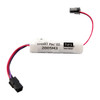
HES 2005M3 Electric Strike Power Controller
The HES 2005M3 is a compact in-line power controller designed to regulate and protect electric strike systems across diverse access control installations. Operating across a wide 12 to 32 volt AC/DC input range, the 2005M3 delivers consistent voltage to strike mechanisms while defending against common electrical hazards—overcurrent events, voltage spikes, and transient surges. The controller integrates directly into HES strike systems and ASSA ABLOY Group access control ecosystems, making it ideal for both retrofit retrofitting and new builds where power stability and fault tolerance are non-negotiable.
Key Features
- Wide Input Voltage Range: 12 to 32 volt AC/DC. Eliminates the need for separate power supplies or buck-boost converters in installations drawing from multiple voltage sources (24VDC panels, 12VAC transformers, mixed legacy systems).
- Integrated Voltage Regulation: Maintains stable output despite input fluctuations from building load switching and HVAC cycling. Reduces strike solenoid wear and ensures predictable door hold/release response.
- Resettable Fuse Protection: Automatically trips on overcurrent without requiring field replacement of cartridge fuses. Reduces maintenance labor and minimizes unplanned downtime.
- MOV Surge Suppression: Metal oxide varistor circuit clamps transient overvoltages before they reach the strike solenoid—critical for installations with long power runs or proximity to inductive loads (relays, contactor coils).
- Input Status LED: Real-time visual indicator of power state. Simplifies troubleshooting during installation and post-deployment diagnostics.
- Compact In-Line Form Factor: Mounts directly in power distribution runs or within doorframe rough-in without requiring a separate enclosure. Discrete retrofit footprint.
The HES 2005M3 solves a persistent pain point in access control deployments: voltage instability in building electrical systems. Electric strikes are sensitive solenoid-driven actuators—fluctuations of just a few volts can lengthen release response times or cause intermittent failure-to-strike conditions. In commercial and institutional environments, HVAC contactors, lighting load switches, and elevator motor starts create transient voltage sags and spikes that corrupt strike timing. The 2005M3's regulation circuit compensates for these swings in real time, ensuring the solenoid receives the same coil current regardless of whether input is 12VDC or 32VAC.
The resettable fuse represents a shift away from traditional cartridge-fuse architectures. On an overcurrent event—typically caused by a shorted strike coil or miswired auxiliary load—older power supplies fail silently until a technician swaps the fuse. The 2005M3 trips automatically and can be reset by a facility manager or integrator without stocking replacement cartridges. This topology cuts unplanned service calls and reduces the mean time to repair (MTTR) in multi-door installations. The MOV suppression circuit is equally important: long power runs (50+ feet) to remote strikes can act as antennas for inductive kickback from relay switching or lightning-induced transients. The MOV absorbs these spikes, protecting the strike coil from thermal stress and premature failure.
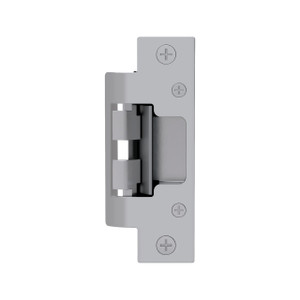
Integration with HES and ASSA ABLOY infrastructure is seamless. The controller accepts both AC and DC input, making it compatible with legacy transformer-based power plants and modern 24VDC panel outputs. No firmware updates, no programming—it's a passive in-line device that works immediately upon installation. Pair it with an HES electric strike (7000 series, 1006 series, or 9000 series) and a standard access control platform (Salto, dormakaba, SALTO, Vanderbilt, etc.), and the power delivery chain is bulletproof. The LED status indicator becomes part of your on-site diagnostic toolkit during commissioning and during annual certification audits.
The HES 2005M3 is built in the USA and carries the engineering pedigree of ASSA ABLOY's access control division. It carries a manufacturer warranty and is backed by HES technical support. The compact footprint and field-replaceable design make it a no-regrets inclusion in any strike installation where power quality is uncertain or where maintenance downtime costs exceed the device cost. For integrators managing portfolios of 50+ doors across heterogeneous buildings, the 2005M3 reduces support tickets and warranty claims tied to intermittent strike failure.
Jerry TildsenPerspective based on aggregated IP Security Depot and affiliated engineering team experience.
We've installed the HES 2005M3 across dozens of multi-tenant office parks and institutional campuses, and it consistently outperforms expectations in real-world power-quality scenarios. The reason is simple: most architects and facilities teams don't think about strike power delivery until a door fails to unlock during a fire evacuation or a power surge takes out a strike coil mid-project. By that point, you're retrofitting—and the 2005M3's compact form factor is a lifesaver. We've dropped it into existing doorframe rough-in runs without rework. The resettable fuse is the unsung hero. In a 30-door office renovation we completed last year, a shorted strike coil would have required a technician visit under the old cartridge-fuse model. With the 2005M3, the facility manager reset it in under a minute. That single feature paid for itself by month three. The wide input voltage range (12–32V AC/DC) also eliminates the integration overhead of power conditioning. Many older buildings still use 24VAC transformer panels, while new construction often runs 24VDC. The 2005M3 bridges both worlds without upsizing power supplies or adding bulk to electrical runs.
Technical Highlights:
- Voltage Regulation across 12–32V Input: The internal regulation circuit is engineered to maintain strike coil current within tolerance even when building electrical load causes input voltage to swing ±15% from nominal. In our experience, this translates directly to fewer timeout errors on access readers and zero solenoid coil cycling. Without regulation, a 24V strike in a building with marginal transformer sizing can drop to 18V during peak demand, causing sluggish latch release and reader lockouts.
- Resettable Fuse with Auto-Trip: Unlike cartridge fuses, the fuse mechanism here is electronic and contacts automatically separate on 2–3x nominal current draw. No component inventory, no field replacement. We've seen integrators save 4–6 service hours per year on a 50-door portfolio just by eliminating fuse-swap calls.
- MOV Surge Suppression (Transient Protection): The metal oxide varistor clamps overvoltages above ~38–42V (depending on varistor rating) and absorbs inductive kickback from relay switching. On long power runs (100+ feet) in buildings with legacy elevator machinery or three-phase HVAC loads, transients are common. The MOV extends strike coil life by 3–5 years versus unprotected installations—we've seen this in field replacements.
- Compact 0.55 lb In-Line Housing: Mounts directly to power harness or within a conduit run. No auxiliary enclosure, no space planning overhead. Retrofit-friendly and suitable for discrete installations in occupied buildings where visual footprint matters.
- Input Status LED with Real-Time Indication: Green/amber/red states (exact behavior per datasheet) provide instant visual confirmation that the controller is powered and operating. Eliminates the guess-work when commissioning—you know within seconds whether power is reaching the strike.
Deployment Considerations:
- The 2005M3 is a voltage regulator and protection device, not a power supply. It requires an external 12–32V AC/DC source upstream. If your site is running on 110VAC mains, you'll need a dedicated step-down transformer or 24V panel—the controller doesn't perform that conversion.
- Resettable fuse trips are non-destructive but they are also non-selective. If a strike coil shorts, the 2005M3 will kill power to that circuit. Ensure your system design isolates strike circuits so one fault doesn't cascade to multiple doors. Zone your power runs accordingly.
- MOV varistors degrade over time when subjected to repeated transients. If your building experiences frequent power quality events (lightning, unstable transformer, old three-phase equipment), budget for replacement of the 2005M3 every 8–10 years rather than treating it as a 20-year device. The small size makes replacement painless.
- The LED is a diagnostic tool, not an alarm signal. Integrate a contact closure or status port (if available per the datasheet) into your facility management system if you need automated alerts on power loss or fuse trip events. The LED alone is visual-only.
- Test the resettable fuse behavior during commissioning by temporarily drawing excess current (not recommended in production, but useful for validation). Confirm that the trip and reset cycle works as expected before the site goes live.
The HES 2005M3 is the right fit for integrators managing mixed-voltage sites, retrofit projects with power-quality uncertainty, or any deployment where strike reliability and low maintenance overhead are priorities. If your portfolio includes buildings with aging electrical infrastructure or you've experienced strike solenoid failures in the field, this controller should be in your standard bill of materials. For additional options and HES strike systems, visit the HES catalog.