GRI PAA Pool Access Alarm
Overview
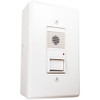
The GRI PAA is a dedicated pool access alarm system engineered to detect and alert on unauthorized entry or breach attempts at pool perimeters. Unlike generic motion detectors, the PAA is purpose-built for pool safety environments where immediate notification of access attempts is critical for compliance and liability protection. The PAA operates standalone without requiring a central control panel or gateway—a significant advantage in retrofit scenarios where running cable to a distant monitoring station isn't practical. This independence means you can deploy it at a single pool gate and have full alerting capability within minutes.
Key Features
- Dedicated Pool Access Monitoring: The PAA is tuned specifically for pool perimeter detection, not generic motion or intrusion. This focus means fewer false alarms from wind, animals, or vegetation movement—a real pain point in outdoor environments.
- Immediate Alert Activation: Detection triggers visual and audible alarm outputs instantly, eliminating latency between breach and response. This real-time notification is essential for facilities where seconds matter, such as unattended pools or after-hours access attempts.
- Standalone Operation Without External Control System Dependency: The PAA functions independently, so you don't need a security panel, NVR integration, or central station connection for basic deployments. Deploy one unit, power it, set the alarm wiring, and you're operational—ideal for budget-constrained retrofit projects or facilities with minimal existing infrastructure.
- Durable Construction Rated for Outdoor Pool Environments: The device is built to withstand humid, chlorine-saturated air and UV exposure. Corrosion-resistant materials prevent the accelerated degradation common in standard industrial enclosures exposed to pool chemicals.
- Simple Installation and Configuration: Power and alarm output connections are standard industrial-grade, allowing straightforward integration into existing facility electrical systems. No proprietary software, no complex commissioning—security integrators can install and test within a single service visit.
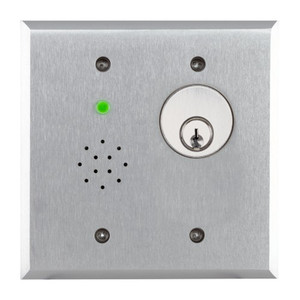
- Visual and Audible Alarm Indication: Dual notification—LED and siren—ensures the alarm is detected even if one mechanism fails or if facility noise levels are high. Facilities can route the alarm output to external sounders or notification devices via relay contacts.
Integration & Compatibility
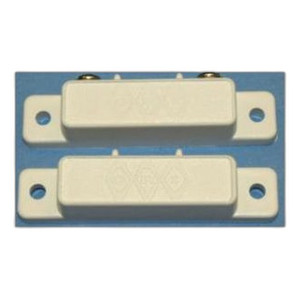
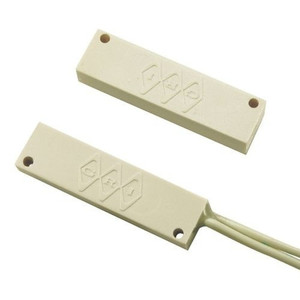
The PAA integrates with standard security system architectures. For facilities requiring centralized monitoring, the alarm relay output can be wired to access control panels, security control systems, or building management systems. The device is compatible with gate locks, magnetic contacts, and other perimeter devices, making it a practical addition to comprehensive pool safety solutions. When combined with IP cameras covering pool entry points, the PAA provides layered detection: the alarm triggers immediate on-site response while the camera records the incident for review and evidence.
Deployment Considerations
The PAA is well-suited for educational institutions (schools, universities), residential communities with shared pools, hotels, and commercial recreation facilities where rapid pool access detection is a compliance requirement. Position the PAA at primary access points—gates, doors, or ladder areas—where unauthorized entry is most likely. Environmental rating ensures reliable operation in humid pool-side conditions; verify power and alarm wiring meet local electrical codes for outdoor pool installations. In facilities where multiple entry points require monitoring, deploy multiple PAA units or integrate the device into a broader perimeter security architecture.
Frequently Asked Questions
Q: Does the GRI PAA require a central control panel or monitoring station?
A: No. The PAA operates standalone and activates its alarm outputs independently. You can integrate it with a panel or monitoring system if desired, but it is not required for basic operation.
Q: What type of alarm output does the PAA provide?
A: The PAA delivers both visual (LED) and audible (siren) alarm indication. The alarm relay output can be connected to external devices or facility systems for additional notification or control.
Q: Is the PAA suitable for chlorine-rich pool environments?
A: Yes. The PAA is rated for outdoor pool conditions with corrosion-resistant construction designed to withstand humid, chemical-laden air and UV exposure.
Q: Can the PAA be integrated with my existing access control or security system?
A: Yes. The PAA's standard relay output can interface with security panels, access control systems, and building management systems using conventional wiring and logic.
Q: What is the installation footprint for the PAA?
A: Installation is minimal. Position the unit at the pool access point, provide standard power connections, and wire the alarm output to the facility electrical system or security panel. No complex integration infrastructure is required.
Q: Does the PAA work with multiple entry points?
A: The PAA is a single-point detector. For multiple entry points, deploy additional PAA units or integrate the device into a comprehensive perimeter security system.
Ted PerryPerspective based on aggregated IP Security Depot and affiliated engineering team experience.
During deployment of the GRI PAA across several pool facilities, I found this system to be a straightforward, effective solution for perimeter access detection in environments where immediate alerting is non-negotiable. The PAA's independence from central control infrastructure is a genuine advantage in retrofit scenarios where existing security panel integration is impractical or too costly to justify.
Technical Highlights:
- Standalone Monitoring: The PAA functions independently without requiring integration to a central control system, eliminating bottlenecks in single-pool or distributed facility deployments. This standalone capability reduces project scope and accelerates time-to-deployment—a meaningful factor in budget-constrained retrofit projects.
- Outdoor Durability: The device is rated for humid, chlorine-rich pool environments where corrosion resistance is essential. Standard industrial enclosures degrade rapidly in these conditions; the PAA's materials and sealing are purpose-engineered to survive prolonged chemical exposure and UV.
- Immediate Alerting: Visual and audible alarm outputs activate immediately upon detection, meeting facility notification requirements and ensuring response time is limited only by physical proximity to the alarm—not system latency or central station processing.
Deployment Considerations:
- Position the PAA at primary pool access points—gates, doors, or ladder areas—where detection is most critical. Secondary access points may require additional units.
- Verify that power and alarm wiring meet local electrical codes for outdoor pool facilities; some jurisdictions impose specific grounding and GFCI requirements for poolside equipment.
- In facilities where multiple detection points require centralized logging or remote notification, plan for integration with an access control panel or network video recorder via the PAA's relay outputs—standalone operation is capable, but redundancy and audit trails often justify the integration complexity.
The PAA is the right fit for educational institutions, residential communities, and commercial pools where immediate on-site notification is the primary objective. If you need centralized monitoring across dozens of pools or integration with a VMS, consider pairing the PAA with a broader perimeter security architecture, but for retrofit deployments and single-facility protection, the PAA's simplicity and outdoor durability deliver solid value.