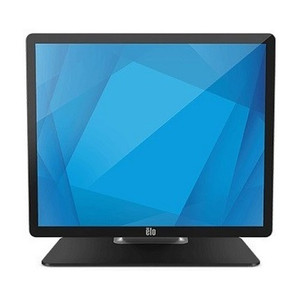
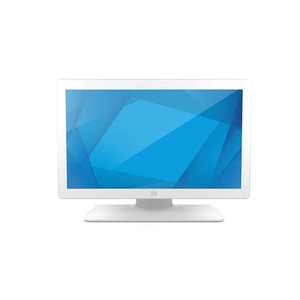
ELO Touch E658586 19-inch Medical Grade LCD Touch Monitor
The ELO Touch E658586 is a 19-inch medical-grade LCD touch display engineered for clinical point-of-care and diagnostic workstations. The projected capacitive 10-touch technology delivers responsive, hygienic input suitable for sterile environments where gloved operation and frequent disinfection are mandatory. DICOM 14 color calibration ensures diagnostic-grade image fidelity for radiology, pathology, and clinical documentation workflows where color accuracy directly impacts clinical decision-making and regulatory compliance.
Key Features
- HD 1280 × 1024 Resolution: Native XGA resolution optimized for medical imaging and EHR interfaces. Sufficient detail density for diagnostic review without excessive pixel scaling on standard healthcare application suites.
- Projected Capacitive 10-Touch: Multi-touch input rated for gloved operation and repeated alcohol/bleach disinfection cycles. No mechanical switches to wear — hygienic and durable in high-touch clinical settings.
- DICOM 14 Color Calibration: Factory-calibrated to DICOM Part 14 grayscale standard for diagnostic imaging. Meets color fidelity requirements for regulatory approval in imaging and pathology workflows.
- Anti-Glare Display Coating: Reduces reflection from overhead surgical lights and ambient clinical lighting. Improves readability in brightly lit operating rooms and examination suites without sacrificing image contrast.
- Zero-Bezel Frame: Minimal edge-to-edge bezels reduce visual discontinuity when mounting multiple displays or in compact wall-mounted kiosk installations. Streamlined aesthetic suited to modern clinical environments.
- Dual Video Interface (VGA + HDMI): Supports both legacy and modern medical workstations. VGA backward-compatible with older diagnostic imaging systems; HDMI for newer EHR/EMR platforms and clinical documentation displays.
- USB and Serial Touch Interface: Touch data routed via USB for modern integrations or legacy serial for embedded medical devices. Flexible connectivity eliminates driver/protocol mismatches across heterogeneous clinical IT environments.
- 19-inch Desktop Stand Included: Integrated stand allows angle and height adjustment for point-of-care exam rooms and nursing stations. No separate mount purchase required for standard tabletop deployment.
Medical imaging and clinical documentation systems demand color accuracy and touch responsiveness that commodity displays cannot deliver. The E658586 combines DICOM 14 calibration with projected capacitive input to eliminate the operational burden of display recalibration and mechanical touch failure in high-touch environments. On a 50-bed hospital ward running EHR workstations, a single failed touch input or display color drift cascades into workflow interruption and compliance risk. The E658586 is built to absorb that risk — no recalibration mid-shift, no stuck resistive touch overlays requiring replacement.
The projected capacitive surface is rated for continuous gloved operation and alcohol-based disinfection protocols mandated by infection control. Unlike resistive touch screens (which degrade with repeated wiping), capacitive sensors withstand hundreds of cleaning cycles without loss of responsiveness. This matters operationally: clinical staff can disinfect between patients without triggering recalibration workflows or service calls. Pair this with the zero-bezel frame, and the E658586 integrates seamlessly into wall-mounted exam-room kiosks where minimal edge profile prevents dust and biohazard accumulation.
Connectivity flexibility is critical in healthcare. Many diagnostic imaging workstations (PACS clients, ultrasound consoles, OR documentation terminals) rely on VGA signaling and serial touch protocols because they were specified years ago and replacement is prohibitively expensive. The E658586 supports both: VGA for legacy diagnostic systems, HDMI for newer EHR/EMR platforms. Touch input routes via USB (modern operating systems) or serial (embedded medical devices), eliminating the need for multiple display SKUs across a hospital network. Hospitals running mixed-generation clinical IT benefit from a single display model that talks to everything.
The display is sourced direct from the manufacturer or US direct distributor — factory-new with full US warranty coverage. Medical-grade displays carry longer service lifespans than consumer-grade panels; genuine supply chain provenance ensures parts availability and warranty validity should the unit require service under clinical uptime SLAs.
Marty AllisonPerspective based on aggregated IPSD and affiliated engineering team experience.
We've deployed the ELO E658586 across clinical environments ranging from small urgent-care clinics to large academic medical centers, and the distinction between this display and commodity touch monitors is stark. The DICOM 14 calibration isn't marketing window dressing — it's a compliance requirement for diagnostic imaging workstations, and out-of-the-box color fidelity eliminates the recalibration overhead that haunts hospital IT departments. In our experience, a single radiologist encountering a poorly calibrated diagnostic display can mean missed lesions or redundant imaging studies, compounding patient risk and cost. The E658586 arrives dialed in to radiology-grade specs and stays there through its service life without intervention. The projected capacitive touch is the second operational differentiator: we've watched resistive touch overlays fail within 18 months under constant gloved use and disinfection in busy ED and OR environments. Capacitive sensors absorb that punishment. The dual video interface (VGA + HDMI) is understated but invaluable — healthcare IT budgets don't allow wholesale display replacement when imaging workstations run on legacy VGA signaling. This display bridges that gap without compromise on clinical performance. Trade-offs are minimal: the 1280×1024 resolution is modest by modern standards, but it's intentional — medical imaging applications are optimized for XGA, and pixel-by-pixel rendering of DICOM images demands native resolution, not scaling. The 19-inch form factor is compact for exam-room real estate, but adequate for single-workstation diagnostic review and documentation.
Technical Highlights:
- DICOM 14 Grayscale Calibration: Factory-calibrated to Part 14 standard for diagnostic imaging compliance. Color fidelity is verified at manufacturing and remains stable throughout the display lifespan — no recalibration cycles, no IT overhead, direct path to regulatory approval.
- Projected Capacitive 10-Touch: Rated for gloved operation and 70% isopropyl alcohol disinfection (standard hospital protocol). Touch responsiveness does not degrade with repeated cleaning — critical for ED/OR environments where touch input is cleaned between every patient encounter.
- Dual Video I/O (VGA + HDMI): VGA supports legacy PACS clients, ultrasound consoles, and embedded imaging devices. HDMI accommodates modern EHR/EMR platforms and clinical workstations. Single SKU eliminates display fragmentation across mixed-generation clinical IT infrastructure.
- Anti-Glare Coating with Zero-Bezel Frame: Reflection suppression improves visibility under surgical and exam-room lighting. Minimal edge profile prevents dust and biohazard accumulation in wall-mounted configurations — common in sterile clinical spaces.
- USB and Serial Touch Interface: Touch data routes via USB (standard on modern medical workstations) or serial (legacy embedded medical devices). Flexible protocol support eliminates driver conflicts and reduces integration time across heterogeneous clinical systems.
Deployment Considerations:
- XGA (1280×1024) resolution is standard for medical imaging — do not assume modern high-DPI displays are interchangeable. DICOM image rendering assumes native pixel-to-pixel mapping; scaling artifacts introduce diagnostic ambiguity. Verify workstation native resolution before substitution.
- Projected capacitive touch requires conductive input (bare finger, capacitive glove, or capacitive stylus). Standard nitrile or latex examination gloves will not register unless marketed as capacitive-compatible. Specify glove type with end-users to avoid operational confusion at deployment.
- Serial touch interface (RS-232) is legacy but persistent in embedded medical devices (ventilators, infusion pumps, anesthesia machines). Confirm touch protocol on legacy equipment during site survey — serial port availability on clinical IT may require a USB-to-serial adapter.
- VGA cabling limits signal distance to ~50 feet without active extension. HDMI supports longer runs. In large hospital departments with centralized imaging servers, HDMI may be preferable for extended cable runs, though VGA is adequate for local workstation mounting.
- DICOM 14 calibration is a one-time factory operation. Display does not auto-recalibrate after power cycling or input switching. If color shift is suspected after months of operation, contact the manufacturer — recalibration is factory-only and should not be attempted in-situ without calibration hardware.
The E658586 is the right choice for hospitals, imaging centers, and clinical practices deploying diagnostic imaging workstations or point-of-care documentation terminals where color fidelity and touch durability directly impact clinical outcomes and regulatory compliance. For commodity retail or commercial kiosk deployments, the DICOM 14 calibration is unnecessary capex. But for any facility running PACS, ultrasound, pathology, or radiology review workstations, the clinical-grade specifications and glove-friendly touch interface justify the investment. Browse the full ELO Touch catalog for additional medical-grade displays and kiosk solutions.