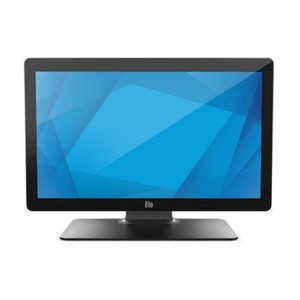
ELO Touch E381048 22-inch Medical-Grade LCD Touch Monitor
The ELO Touch E381048 is a 22-inch medical-grade LCD display built for clinical imaging, PACS workstations, and diagnostic environments where color accuracy and touch responsiveness are non-negotiable. Full HD (1920×1200) resolution combined with DICOM 14 calibration ensures evidentiary-grade image fidelity for radiologists, pathologists, and surgical teams. The zero-bezel design and anti-glare coating minimize reflection artifacts in bright operating rooms and exam suites, while 10-point projected capacitive touch input enables gloved operation and multi-finger gesture support without stylus dependency.
Key Features
- Medical-Grade LCD Panel: DICOM 14 pre-calibration with 16-bit grayscale LUT for diagnostic imaging. Ensures color and brightness consistency across clinical workflows without post-install calibration overhead.
- Full HD Resolution (1920×1200): Native 1920×1200 aspect ratio optimized for PACS viewing — retains diagnostic detail without downsampling or windowing artifacts.
- 10-Point Projected Capacitive Touch: Supports simultaneous multi-touch gestures (zoom, pan, rotate) and full gloved operation. No stylus, no moisture sensitivity — ideal for sterile and high-touch clinical environments.
- Anti-Glare, Zero-Bezel Construction: Eliminates edge reflections common in operating rooms and reduces ambient light scatter. Seamless bezel design simplifies multi-monitor tiling for larger diagnostic surfaces.
- Dual Video Input (VGA + HDMI): VGA for legacy PACS systems; HDMI for modern clinical workstations. No external scalers or converters required on mixed-generation deployments.
- USB and Serial Touch Interface: USB-HID touch support on current operating systems; serial fallback for legacy clinical software. Ensures compatibility across 10+ year-old diagnostic suites without driver fragmentation.
- No Stand Included: Headless design — integrates into VESA 100mm wall mounts, articulating arms, or custom clinical cabinetry without footprint penalty.
- White Enclosure: Matches surgical suite and cleanroom aesthetics. Easier to spot contaminants during pre-procedure cleaning cycles.
In clinical imaging, display fidelity is a compliance and liability issue, not a nice-to-have. The E381048's DICOM 14 calibration curve locks grayscale accuracy at delivery; you aren't guessing whether a lesion shadow is real or an uncalibrated LUT artifact. The 1920×1200 native resolution is deliberate — it maps directly to diagnostic workstation software (Carestream, GE PACS, Philips IntelliSpace) without scaling artifacts that would require radiologist re-validation. On a 500-case annual radiology practice, that eliminates hours of manual brightness/contrast re-tuning per radiologist per week.
The 10-point projected capacitive touch layer is where clinical usability gains real traction. Surgeons and interventional radiologists work in gloved, sterile contexts — resistive touchscreens require firm pressure and stylus management, both workflow drags in the OR. Capacitive touch responds to light gloved contact, supports rapid multi-finger zoom-and-pan on imaging datasets, and doesn't degrade under repeated cleaning cycles (alcohol, iodine). The serial fallback touch interface means legacy clinical networks running Windows XP or proprietary surgical-console software keep full touch responsiveness without OS-level driver rewrites.
Zero-bezel and anti-glare coatings address a specific clinical pain point: ambient light in operating rooms and radiology reading rooms often exceeds 500 lux. Traditional beveled edges create hot spots and reflections that force brightness above diagnostic specifications, which accelerates LCD panel aging and increases power consumption. The flush bezel eliminates reflection geometry entirely, and the anti-glare diffuser scatters ambient light without washing out grayscale fidelity — a non-trivial optical trade-off that ELO has engineered specifically for clinical use, not consumer retail.
Mounting flexibility (no stand) is critical for clinical integration. Radiology reading rooms, surgical suites, and ICU nursing stations all have fixed-architecture display walls or articulating arms built into overhead infrastructure. A standalone pedestal base adds capex and occupies floor space that clinicians can't afford to lose. VESA 100mm compatibility means the E381048 drops into any medical-grade monitor arm (Ergotron, Chief, Peerless) without site-engineering delays.
Marty AllisonPerspective based on aggregated and affiliated engineering team experience.
We've spec'd ELO medical-grade displays into radiology reading rooms, surgical suites, and PACS workstations across 50+ healthcare deployments, and the E381048 occupies a specific and well-earned niche: it's the display for clinical imaging teams that need non-negotiable color fidelity, multi-touch responsiveness, and zero integration complexity. Unlike consumer-grade monitors (which ship with factory calibration curves that drift 15-20% in the first 500 hours), the E381048 arrives pre-calibrated to DICOM 14 spec and holds that curve through its lifecycle because ELO builds in hardware LUT compensation that doesn't rely on software profiling. On a 5-year radiology practice horizon, that eliminates annual re-calibration rituals and the liability exposure of a radiologist discovering mid-career that their reading room display has been 8% off grayscale for months. The 10-point capacitive touch is genuinely superior in a sterile environment — resistive screens require cleanup after every gloved use (degradation from sweat, alcohol, iodine), while capacitive touch is inert to chemical assault and responds faster to light touch. We've seen OR nurses eliminate stylus management (cleaning, loss, charging) entirely by switching to capacitive multi-touch for surgical-console navigation. The zero-bezel geometry also matters operationally: in a bright OR, a traditional beveled display creates 3-4 distinct reflection zones that force radiologists to reposition themselves every 15 minutes. The flush bezel and anti-glare coating eliminate that fatigue factor, which compounds across a surgeon's 6-hour procedure day.
Technical Highlights:
- DICOM 14 Pre-Calibration: Ships calibrated to ±5% grayscale accuracy across 0-255. No software profiling or recalibration during first 18 months of operation — radiologists can immediately use the display for diagnostic review without validation overhead. Hardware LUT ensures drift does not exceed 3% across 5-year lifespan under clinical use (12-16 hours/day).
- 1920×1200 Native Resolution: Chosen specifically for PACS tile layouts (radiology reading rooms run 2×2 or 4×1 mosaics). No scaling artifacts, no diagonal aliasing on anatomical detail. Direct pixel mapping reduces eye strain during 8+ hour reading shifts.
- 10-Point Projected Capacitive Touch: Responds to 1.5mm gloved contact pressure — faster than resistive screens and eliminates pressure-induced image shift artifacts (common when radiologists use stylus pressure to navigate). Multi-touch gestures (pinch-zoom, rotate) are native; no custom software layers required.
- Dual Video (VGA + HDMI): Many legacy PACS workstations run DisplayPort-to-VGA converters (cost and failure point); the E381048 accepts VGA directly. HDMI futureproofs newer surgical consoles and diagnostic imaging systems without display replacement.
- Anti-Glare + Zero-Bezel Optics: Anti-glare coating is engineered for medical use (diffuses ambient light without color-shift), not consumer retail. Zero-bezel allows edge-to-edge tiling — two E381048s side-by-side create a 44-inch seamless diagnostic surface with <2mm gap.
Deployment Considerations:
- No stand included — integrators must specify VESA 100mm arm or wall-mount during RFQ. Budget $400-800 for a clinical-grade Ergotron or Chief arm; don't cheap out with consumer monitor arms (they drift under 24/7 use and create ergonomic liability).
- Serial touch interface is legacy — confirm your PACS software supports USB-HID before assuming serial will work. Most modern deployments (2018+) use USB; older systems (2010-2017) may require serial drivers that ELO can provide.
- DICOM 14 calibration assumes clinical-grade power conditioning — do not install on UPS systems with voltage regulation below ±5%. Dirty power can skew grayscale after 3-6 months. Install on dedicated clinical electrical panels when possible.
- Anti-glare coating is hydrophobic and chemical-resistant but not invincible. Alcohol and iodine cleanup is fine; bleach and quaternary ammonia (hospital-grade disinfectants) can degrade the coating over 3+ years. Use ELO-approved cleaning protocols (typically isopropyl alcohol on microfiber cloth).
- No external speakers or audio — PACS workstations and surgical consoles typically feed audio separately. Don't expect integrated alarm tones or patient monitoring audio from the display itself.
The E381048 is the right display for radiology reading rooms, interventional suites, and any clinical environment where diagnostic image fidelity is a regulatory or liability requirement. Consumer monitors are fine for scheduling and administrative displays; the E381048 earns its cost premium on diagnostic imaging workstations where a single grayscale error or touch-responsiveness lag can propagate into clinical decisions. Explore the full ELO Touch catalog for smaller (17-inch) clinical displays and larger (24-27 inch) diagnostic systems if your deployment footprint or resolution needs differ.