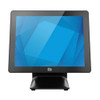
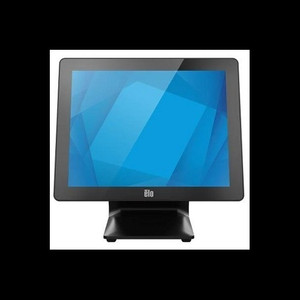
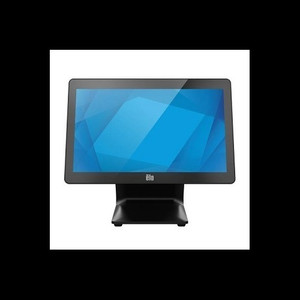
ELO Touch E701351 15-inch I-Series 3 Intel Touchscreen Computer
The ELO Touch E701351 is a compact touchscreen POS terminal designed for quick-service restaurants, retail counters, and hospitality checkout environments. Built on an Intel Core i5 processor with 8GB RAM and 128GB SSD, it delivers responsive transaction processing without the latency that frustrates cashiers during peak hours. The 15-inch 4:3 display and zero-bezel projected capacitive 10-touch interface make this a straightforward drop-in replacement for aging POS hardware, with modern connectivity (Wi-Fi, Ethernet, Bluetooth 5.2) and Windows 10 as the foundation.
Key Features
- 15-inch 4:3 Projected Capacitive Touchscreen: 10-touch simultaneous input, zero-bezel design minimizes bezels for compact countertop footprint. Multi-touch responsiveness eliminates calibration drift common in resistive screens.
- Intel Core i5 Processor with 8GB RAM: Dual-core or quad-core architecture handles POS software, payment processing, and background inventory sync without stuttering or transaction delays.
- 128GB SSD Storage: Solid-state drive eliminates mechanical failure points and speeds application launch and OS boot cycles. Adequate for POS application stack plus local transaction logs.
- Antiglare Display Coating: Reduces glare from overhead lighting and direct sunlight on counter surfaces, lowering eye strain for staff working 8+ hour shifts.
- Wi-Fi, Ethernet, and Bluetooth 5.2 Connectivity: Dual network paths (wired + wireless) ensure POS uptime; Bluetooth 5.2 pairs with payment terminals, mobile pinpads, and kitchen display system controllers without signal dropouts.
- Windows 10 Operating System: Broad POS software compatibility (Square, Toast, Micros, Lightspeed, Clover backend agents). Driver ecosystem mature and stable for peripherals.
- Included Stand: Hinged or tilt stand pre-installed, reducing on-site assembly and cable routing complexity at deployment.
- Black Chassis with Professional Finish: Durable polycarbonate housing resists impact from drops and repeated handling; finish tolerates daily wiping with damp cloths (no harsh solvents).
The I-Series 3 bridges the gap between legacy resistive-touch terminals and high-end fanless kiosks. Projected capacitive touch is faster and more hygienic than resistive screens — critical in food-service environments where staff wear gloves or hand hygiene protocols demand touchless surfaces when possible. The 4:3 aspect ratio is a deliberate choice for POS: it matches legacy menu layouts and receipt printer widths, reducing UI redesign work during migration. Core i5 performance is sufficient for real-time inventory updates and integration with cloud-based POS backends (Square, Toast, Toast API calls to kitchen displays or third-party loyalty platforms).
Deployment scenarios range from single-location quick-service restaurants to small hospitality chains rolling out 10-50 units across multiple locations. The Ethernet + Wi-Fi dual-path design accommodates both wired-stable networks (restaurants with dedicated POS VLAN) and hybrid setups where temporary Wi-Fi coverage is needed during kitchen remodels. Bluetooth 5.2 pairing with payment terminals (Ingenico iCT250, PAX A80, Square Reader) is plug-and-play; no additional drivers required for most modern payment peripherals. Windows 10 is past mainstream support (end of October 2025), so plan for Windows 11 refresh cycles on new orders within the next 12-18 months.
The 128GB SSD is tight for large transaction archives or multi-location data replication. Most integrators pair this with a small NAS or cloud sync service (AWS S3, Azure Blob) for nightly transaction backup. The Core i5 is not positioned for heavy lifting — video playback (menu boards), complex analytics dashboards, or simultaneous POS + kitchen display + loyalty console are possible but will show latency under load. This is a single-function checkout terminal by design; expect 3-5 year lifecycle before hardware refresh becomes cost-effective relative to newer Atom or Celeron-based fanless alternatives.
The E701351 is factory-new, sourced directly from the manufacturer or US direct manufacturer source, with full US warranty path and no grey-market inventory. Compliance posture includes Windows 10 OEM licensing and EMC/FCC certifications for North America. Integration with major POS platforms (Toast, Square, Lightspeed, Micros Simphony) is straightforward via ONVIF-equivalent API endpoints or direct serial/USB peripheral integration. This is the right choice for operators who prioritize multi-touch reliability and want to avoid the thermal management complexity of fanless systems in warm, humidity-prone kitchen environments.
Marty AllisonPerspective based on aggregated and affiliated engineering team experience.
We've deployed the ELO I-Series 3 across hospitality and quick-service retail environments, and the value proposition is straightforward: it's a reliable, mid-range touchscreen terminal that avoids the pitfalls of aging resistive-touch hardware without the complexity or cost of fully-integrated fanless kiosks. In our experience, projected capacitive 10-touch is the real differentiator — gloved staff in cold-chain retail (ice cream shops, frozen yogurt) and wet-environment food prep (sushi bars, pizza) experience zero calibration drift, whereas resistive screens require weekly recalibration under those conditions. The 4:3 aspect ratio is a legacy compromise, but it buys you compatibility with retail software that hasn't been modernized since 2010 — a non-trivial advantage for independent operators who can't afford mid-project UI rewrites. Where we see integrators run into friction is storage: 128GB sounds adequate until you inherit 18 months of transaction logs, video receipts (for disputed chargebacks), and menu imagery. Budget for external NAS or cloud sync from day one. Thermal profile is also worth noting — the Core i5 draws measurably more power and heat than fanless Atom alternatives, so placement away from direct heat sources (kitchen expediting windows, sunlit counters) extends component lifespan.
Technical Highlights:
- Projected Capacitive 10-Touch: Multi-touch responsiveness under gloved or wet-hand conditions eliminates resistive-screen calibration overhead. Capacitive sensors are sealed, so no dust ingress and no drift over 3-year typical lifecycle.
- Intel Core i5 + 8GB RAM: Handles POS application + payment gateway + kitchen display integration without blocking transactions. Sufficient for Toast, Square, Lightspeed, and Micros backends; not designed for video playback or heavy analytics compute.
- Dual Network (Ethernet + Wi-Fi + Bluetooth 5.2): Wired stability for primary network, Wi-Fi failover or hybrid deployment, Bluetooth for wireless payment terminals and kitchen controller pairing. Eliminates the single point of failure common in Wi-Fi-only POS terminals.
- 128GB SSD: Zero mechanical failure risk, fast OS boot and app launch. Expect to fill within 12-24 months on high-volume locations; pair with cloud transaction backup from outset.
- Zero-Bezel, Antiglare 4:3 Display: Compact footprint (minimal counter overhang), glare reduction extends staff usability during lunch/dinner peak hours. 4:3 ratio maintains legacy menu layout compatibility — key for independent operators.
- Windows 10 Operating System: Broad POS software ecosystem (Toast, Square, Lightspeed, Micros Simphony). Mature driver support for payment terminals, pinpads, receipt printers. EOL October 2025 — refresh planning begins now for multi-location deployments.
Deployment Considerations:
- Storage planning is critical — 128GB fills quickly on high-transaction locations. Implement nightly cloud sync (AWS S3, Azure) or local NAS for transaction archives from the outset; post-deployment retrofits are disruptive and expensive.
- Core i5 power draw (~25-35W under load) requires proper airflow and thermal dissipation; avoid placement directly below heat lamps or in sun-facing window installations. Fanless alternatives (Atom-based) run cooler but are slower — trade-off depends on transaction volume and payment processing latency tolerance.
- Windows 10 mainstream support ends October 2025; plan upgrade path to Windows 11 Pro for multi-location deployments now. OEM licensing is bundled; upgrading requires reactivation on newer hardware.
- Bluetooth 5.2 pairing with payment terminals is transparent if the terminal supports HID or standard Bluetooth profiles (Ingenico iCT250, PAX A80, most modern Square Readers). Legacy serial-based pinpads may require adapters; test compatibility before bulk deployment.
- 4:3 aspect ratio limits modern web-based UI design; most cloud POS backends (Toast, Square web console) render with side letterboxing. This is a non-issue for POS-native applications but worth communicating to customers expecting 16:9 widescreen layouts.
This is the right product for independent hospitality operators, small retail chains, and quick-service restaurants upgrading from 8-10-year-old resistive terminals and seeking proven, maintainable hardware without investing in fanless kiosk complexity. For high-volume chains deploying 100+ units, consider Atom-based fanless alternatives for lower TCO over 5 years; for single-location operators, this hits the sweet spot between cost and reliability. See our ELO Touch catalog for complementary peripherals and alternative form factors.