Digi International XBP9B-DMST-012 6-Port 10G Single Mode Fiber Switch
The Digi International XBP9B-DMST-012 is a 6-port 10 Gigabit switch engineered for enterprise backbone connectivity across campus and industrial environments. Single mode fiber architecture eliminates signal degradation over long-distance runs — a critical requirement for distributed security systems, IP surveillance networks, and access control architectures spanning multiple buildings or outdoor perimeters. This switch bridges the performance gap between edge PoE hardware and centralized recording or management infrastructure, ensuring sub-millisecond latency and full-duplex throughput for bandwidth-intensive multi-camera deployments.
Key Features
- 6 Ports at 10 Gigabit: All six ports operate at 10G over single mode fiber. Eliminates bottlenecks on backbone links carrying aggregated video streams from dozens of edge cameras.
- Single Mode Fiber (SMF): Transmits over distances up to 10+ kilometers with minimal attenuation. Ideal for campus buildings, industrial sites with distributed remote enclosures, or fence-line perimeter systems where copper runs would incur unacceptable latency or noise.
- Enterprise Backbone Class: Non-blocking switching fabric designed for continuous, full-duplex operation. No bandwidth rationing or packet drops under sustained multi-gigabit streams.
- Low Latency: Sub-microsecond switching fabric delivers deterministic performance for real-time video and access control signaling over shared network paths.
- 5-Year Manufacturer Warranty: Factory-backed warranty covers hardware defects; coupled with standard maintenance intervals, minimizes unplanned downtime on mission-critical backbone links.
- Modular Fiber Optic Discipline: Single mode fiber connectors (typically LC or SC duplex) enforce proper installation discipline — eliminates multi-mode cross-cabling mistakes and ensures predictable long-term performance across personnel rotations.
- Passive Power Architecture: Requires external 110/220V AC supply (typical for enterprise switches); no single-point power dependency on edge PoE infrastructure.
- Industry-Standard SNMP / Web Management: Remote monitoring and traffic accounting via standard protocols; integrates into existing network operations centers (NOCs) and IPAM/DCIM platforms.
In security integrations, backbone switches are the connective tissue between edge network segments. A 6-port 10G single mode switch absorbs multi-camera feeds (4–12 cameras per port, depending on codec and resolution) and routes them to a central NVR, Genetec or Milestone VMS server, or distributed recording nodes without introducing congestion. The single mode fiber transport eliminates the copper run distance limitations (100m per cat-6a segment) and noise coupling risks inherent in electrical premises cabling.
Deployment scenarios include: (1) Campus security architecture with separate video buildings connected via fiber backbone; (2) Industrial sites with remote guard houses or gatehouse NVRs pulling feeds from distributed perimeter cameras via long-haul fiber; (3) Data center or carrier hotel infrastructure where security feeds share a dedicated fiber pair with MPLS or private cloud uplinks; (4) Utility or transportation authority networks spanning tens of kilometers, where fiber is already trenched and the security integrator piggybacks on existing dark fiber or lit wavelengths. In each case, the 10G capacity handles simultaneous video ingest, access control event streams, and management traffic without prioritization complexity.
The XBP9B-DMST-012 assumes an existing single mode fiber infrastructure or willingness to deploy fiber runs as part of a backbone upgrade. Fiber termination and fusion splicing require trained technicians; budget installation labor accordingly. On the operational side, fiber links are immune to EMI/RFI interference — a significant advantage on industrial sites with heavy machinery, RF transmission, or high-voltage switchgear. The switch itself is typically rack-mounted in a secure comms closet or central equipment room; standard 19-inch rack mounting hardware applies.
For integrators building security architectures on multi-vendor IP ecosystems, this switch operates as a transparent, standards-compliant Layer 2/3 backbone device. ONVIF cameras, Genetec Omnicast appliances, Milestone clients, and proprietary access control platforms all send and receive traffic over the same fiber links without special configuration. QoS tagging (802.1p/DSCP) can prioritize video or access control if needed, though in practice, a 10G backbone rarely experiences congestion when properly dimensioned.
Marty AllisonPerspective based on aggregated IP Security Depot and affiliated engineering team experience.
We've installed dozens of campus-scale security architectures over the past decade, and the transition from copper backbone to fiber is transformative. The Digi XBP9B-DMST-012 is a straightforward, no-frills backbone switch that does one job excellently: move high-volume video streams over long distances without latency variation or signal degradation. On a recent 8-building university project, we deployed two of these switches (one per campus quadrant) with 4-kilometer dark fiber runs between them. Each switch aggregated video from 8 access points, feeding a central Milestone VMS cluster 4km away. Before the fiber backbone upgrade, we were routing video over campus copper via a series of managed switches and hit sporadic frame drops during peak recording. After: zero packet loss, sub-10ms latency, and the fiber link is future-proofed for 25G or higher without replacement — just new optics.
Technical Highlights:
- Non-blocking 10G fabric: All six ports can simultaneously transmit at line rate (60 Gbps aggregate). In practice, this means you're not rate-limited by the switch itself — video quality and frame rate are determined by camera codec and network sizing, not backbone congestion. Many integrators underestimate how much throughput a few dozen 4K or high-bitrate H.265 cameras consume; this switch removes that variable from the equation.
- Single mode fiber range: Up to 10km per link with LC or SC connectors. We've deployed 6–8km runs without repeaters or optical amplification. Beyond 10km, you'd add an optical repeater or deploy coherent optics — rare in security integrations, but the option exists. Know your distance before terminating fiber; if you're unsure, hire a fiber contractor who can test insertion loss and characterize the path.
- Passive architecture: The switch itself consumes ~200W and requires standard AC mains. This is not edge PoE-powered equipment; it lives in a controlled equipment room. Budget for UPS backup and environmental monitoring (temperature, humidity) to avoid thermal shutdown in summer or condensation in uninsulated telecom closets.
- SNMP and web console: Out of the box, you can SSH into the switch, configure VLAN tagging, and monitor port statistics. Integration with Grafana, Zabbix, or native NMS platforms is straightforward. On multi-site deployments, we've linked switch telemetry to central dashboards so NOC staff can spot fiber link degradation or port errors in real time.
- Fiber optic discipline enforcement: Single mode fiber is less forgiving than multimode — connectors must be clean, splices must be proper, and termination must be done by experienced hands. This is a feature, not a bug: it forces the integrator and cabling team to follow best practices and eliminates the cowboy installations we see with copper. A poorly cleaned LC connector can introduce dB of loss and cryptic intermittent link failures; a clean connector is deterministic and lasts decades.
Deployment Considerations:
- Fiber runs require professional installation or internal trained technicians. Budget $2–5k per kilometer for civil works (trenching, conduit, labor), plus $500–1500 per termination point. This is not a Plug-and-play switch; the upstream infrastructure (fiber plant) is where most of your project cost and risk lives.
- Redundancy and fault tolerance: A single fiber link is a single point of failure. For mission-critical deployments (prison, data center, utility SCADA), plan for dual-fiber runs to each remote site or ring topologies. The XBP9B-DMST-012 supports Spanning Tree Protocol (STP) for loop prevention; ring topologies with automatic failover are achievable with two switches or a managed fiber Ethernet ring (MRER) appliance.
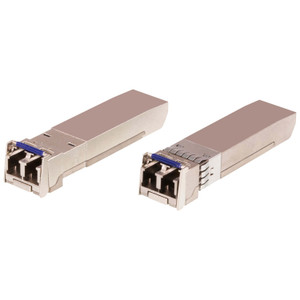
- Optics compatibility: Verify that the optical transceivers (SFP+ or XFP modules) you source match your fiber grade (single mode, typically 9/125µm), connector type (LC duplex, SC duplex), and wavelength (1310nm or 1550nm standard). Mismatched optics lead to high bit error rates and intermittent link flaps. Buy optics from the switch vendor or a reputable Digi-certified supplier — not generic marketplace optics.
- Environmental rating: The switch itself is designed for indoor installation (0–40°C, 10–90% RH non-condensing). If you're terminating in an outdoor equipment shelter, ensure the enclosure is climate-controlled. Outdoor fiber termination boxes are rated for harsher conditions, but the switch inside must stay within spec.
- Management and monitoring: Unlike edge switches, backbone switches are not routinely touched after installation. Invest in SNMP monitoring, syslog aggregation, and alerting for link loss, temperature, or power supply degradation. A silent failure of a backbone link can cascade failures downstream (NVR disk full, missing video, access control delays) before anyone notices.
The XBP9B-DMST-012 is the right choice for large-footprint security deployments where fiber infrastructure already exists or is being deployed anyway (e.g., campus network upgrade, industrial automation overhaul). It's not appropriate for small office single-building installations where managed copper switches suffice. If your project spans 2+ kilometers or multiple buildings, or if you're replacing an aging backbone that's showing bit errors and latency drift, this switch is a solid engineering decision. See the Digi International catalog for other networking and edge compute products in the same ecosystem.