
Ubiquiti UWB-XG vs Ubiquiti UAP-AC-M-5-US: Specification Comparison
Both the Ubiquiti UWB-XG and the UAP-AC-M-5-US are UniFi-managed Wi-Fi 5 (802.11ac) wireless access points designed for outdoor or mixed-environment deployments. This comparison evaluates the two across the dimensions that matter most to installers and IT buyers selecting a Wi-Fi 5 AP: radio architecture and client capacity, uplink throughput and power delivery, and management capabilities and mounting flexibility. The UAP-AC-M-5-US is sold as a 5-pack, so per-unit economics factor into the analysis.
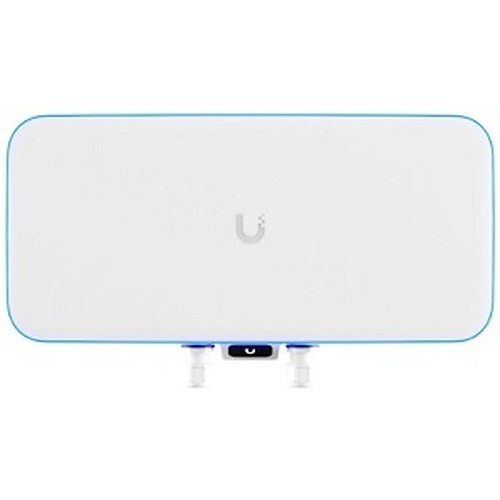
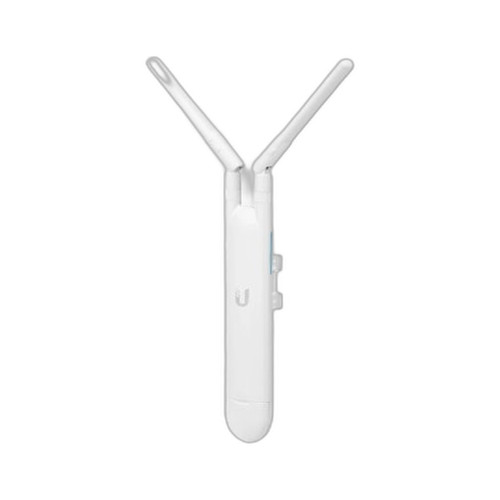
In This Guide
- Which AP delivers more radio capacity and can handle more concurrent clients?
- How do the two APs differ in uplink speed and power delivery requirements?
- What are the differences in management features, mounting options, and environmental ratings?
- Which should you choose: the UWB-XG or the UAP-AC-M-5-US?
- Side-by-Side Specs
- FAQ
Which AP delivers more radio capacity and can handle more concurrent clients?
The UWB-XG uses a tri-band architecture with three independent 4×4 MIMO radios, each rated at 1.7 Gbps, for a combined aggregate throughput spec of 5.1 Gbps across three bands. Its specified client capacity is 1,500+ concurrent clients per unit. It also supports eight BSSIDs per radio, totaling 24 BSSIDs across the platform.
The UAP-AC-M-5-US is a dual-band 802.11ac access point operating simultaneously on 2.4 GHz and 5 GHz, with a combined throughput spec of 1,750 Mbps. The provided specs indicate a target of 20–50 concurrent clients per AP. BSSID count per radio is not stated in the provided specifications.
The gap in radio architecture is significant: the UWB-XG offers a third radio band and a 4×4 MIMO chain count versus an unspecified MIMO count on the UAP-AC-M-5-US, and its client capacity ceiling is an order of magnitude higher. For dense deployments, the UWB-XG is the more capable platform per unit.
How do the two APs differ in uplink speed and power delivery requirements?
The UWB-XG provides a 10 GbE ICM uplink port plus a secondary 1 GbE RJ45 port, ensuring that the aggregated throughput of its three radios is not bottlenecked by the wired backhaul. It requires PoE++ (802.3bt) at 44–57V DC with a maximum power draw of 31W.
The UAP-AC-M-5-US is equipped with a single 10/100/1000 Ethernet port. It accepts 24V Passive PoE (pairs 4, 5+ and 7, 8 return) via a 24V 0.5A adapter, and is also compatible with 802.3af PoE. The maximum power consumption figure is not stated in the provided specifications.
The UWB-XG's 10 GbE uplink is a meaningful differentiator in multi-radio dense deployments where 1 GbE would be saturated. However, the UWB-XG's PoE++ requirement means existing 802.3af or 802.3at infrastructure cannot power it without upgrading switches or injectors. The UAP-AC-M-5-US works with 802.3af switches or the bundled passive PoE adapter, making it compatible with a wider range of existing infrastructure.
What are the differences in management features, mounting options, and environmental ratings?
The UWB-XG is managed through the UniFi wireless management platform and supports RadSec, captive portal, dynamic RADIUS VLAN assignment, and guest network isolation. It offers wall, pole (1–3"), and VESA mounting options and carries an operating temperature rating of -40 to 70°C. Certifications listed are CE, FCC, and IC.
The UAP-AC-M-5-US is managed via the UniFi Network Controller and supports wall and pole mounting. The specifications describe it as suited for outdoor locations. Its operating temperature range is -30 to 70°C. Certifications listed are CE, FCC, and IC. RadSec, dynamic RADIUS VLAN, or captive portal support are not mentioned in the provided specifications.
Both units share the same management ecosystem (UniFi), which simplifies mixed deployments. The UWB-XG extends further on the cold-temperature end (-40°C vs. -30°C) and documents enterprise authentication features (RadSec, RADIUS VLAN) that the UAP-AC-M-5-US specifications do not address. The UAP-AC-M-5-US is sold as a 5-pack (SKU UAP-AC-M-5-US), which affects per-unit cost comparisons and deployment planning.
Which should you choose: the UWB-XG or the UAP-AC-M-5-US?
Our take: The UWB-XG is the stronger choice when a single installation point must support high client density and demands a non-bottlenecking backhaul. Its tri-band 4×4 MIMO architecture yields a 5.1 Gbps aggregate spec versus the UAP-AC-M-5-US's 1,750 Mbps dual-band figure, its 10 GbE ICM uplink eliminates the wired backhaul ceiling that limits the UAP-AC-M-5-US's single Gigabit port, and its documented 1,500+ concurrent client capacity dwarfs the 20–50 clients per AP cited for the UAP-AC-M-5-US. Cold-environment tolerance also extends 10°C further (-40°C vs. -30°C). The UAP-AC-M-5-US is better suited to distributed mid-scale outdoor deployments where 802.3af infrastructure is already in place and per-AP client loads are modest; the 5-pack format supports cost-effective coverage-area deployments. Platform qualifier: both require UniFi Controller management.
Side-by-Side Comparison
Spec-for-spec, from manufacturer data.
| Specification | Ubiquiti UWB-XG | Ubiquiti UAP-AC-M-5-US |
|---|---|---|
| Wi-Fi Standard | Wi-Fi 5 (802.11ac) | 802.11ac Dual-Band |
| Radio Architecture | Tri-band, three 4×4 MIMO radios | Dual-band simultaneous (2.4 & 5 GHz) |
| Aggregate Throughput | 5.1 Gbps (1.7 Gbps × 3 bands) | 1,750 Mbps |
| Concurrent Client Capacity | 1,500+ per unit | 20–50 per AP (per spec) |
| Uplink Port | 1× 10 GbE ICM + 1× 1 GbE RJ45 | 1× 10/100/1000 Ethernet |
| PoE Standard | PoE++ (802.3bt), 44–57V DC | 802.3af / 24V Passive PoE |
| Max Power Consumption | 31W | — |
| BSSIDs | 8 per radio (24 total) | — |
| Management Platform | UniFi (RadSec, RADIUS VLAN, captive portal) | UniFi Network Controller |
| Operating Temperature | -40 to 70°C | -30 to 70°C |
| Mount Types | Wall, Pole (1–3"), VESA | Wall, Pole |
| Certifications | CE, FCC, IC | CE, FCC, IC |
| Form Factor / Pack | Single unit, external | 5-pack (UAP-AC-M-5-US) |
| Weight | 3.2 kg (unit) | 3.4 lbs (total pack) |
| Country of Origin | — | CN |
| Warranty | Manufacturer Warranty | Manufacturer Warranty |
Frequently Asked Questions
Which should you choose: the UWB-XG or the UAP-AC-M-5-US?
The UWB-XG is the stronger choice when a single installation point must support high client density and demands a non-bottlenecking backhaul. Its tri-band 4×4 MIMO architecture yields a 5.1 Gbps aggregate spec versus the UAP-AC-M-5-US's 1,750 Mbps dual-band figure, its 10 GbE ICM uplink eliminates the wired backhaul ceiling that limits the UAP-AC-M-5-US's single Gigabit port, and its documented 1,500+ concurrent client capacity dwarfs the 20–50 clients per AP cited for the UAP-AC-M-5-US. Cold-environment tolerance also extends 10°C further (-40°C vs. -30°C). The UAP-AC-M-5-US is better suited to distributed mid-scale outdoor deployments where 802.3af infrastructure is already in place and per-AP client loads are modest; the 5-pack format supports cost-effective coverage-area deployments. Platform qualifier: both require UniFi Controller management.
Is the UWB-XG or UAP-AC-M-5-US better for larger deployments with hundreds of concurrent users?
Based on the provided specifications, the UWB-XG is rated for 1,500+ concurrent clients per unit across three 4×4 MIMO radios at 1.7 Gbps each. The UAP-AC-M-5-US is specified for 20–50 concurrent clients per AP on a dual-band 1,750 Mbps platform. For single-point high-density requirements, the UWB-XG is the documented choice; multiple UAP-AC-M-5-US units could cover equivalent client counts but require more installation points and switch ports.
Will either AP work with my existing 802.3af PoE switch?
The UAP-AC-M-5-US is compatible with 802.3af PoE (and also accepts 24V Passive PoE via adapter), so it can typically be powered from existing 802.3af infrastructure. The UWB-XG requires PoE++ (802.3bt) at 44–57V DC, drawing up to 31W. Standard 802.3af (15.4W) and 802.3at (30W) switches cannot reliably power the UWB-XG; a PoE++ capable switch or injector is required.
Can both APs be managed from the same UniFi Controller?
Yes. Both the UWB-XG (UniFi wireless management) and the UAP-AC-M-5-US (UniFi Network Controller) are managed within the UniFi ecosystem, allowing centralized firmware updates, roaming configuration, and guest network management from the same controller interface. The UWB-XG additionally documents RadSec and dynamic RADIUS VLAN support; these features are not listed in the UAP-AC-M-5-US specifications provided.
More Wireless Access Point Comparisons
Get a Second Opinion on Your Camera Choice
Share your site layout, coverage goals, and budget. Our team will validate the camera selection, flag anything we would change, and recommend products that match the use case.