
i-PRO X66300-Z3LS vs i-PRO X66300-Z3S: Specification Comparison
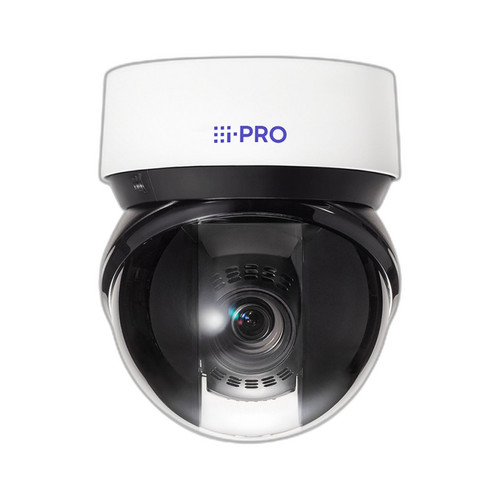
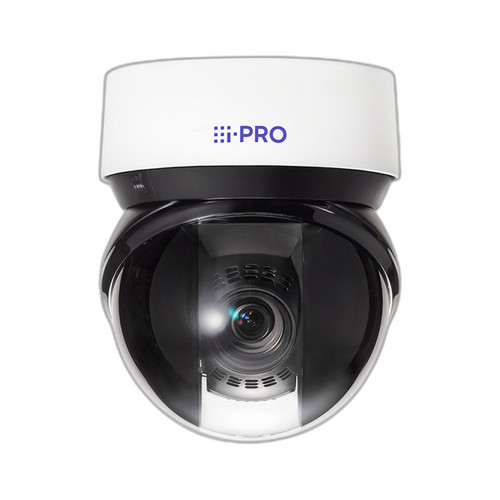
Both the WV-X66300-Z3LS and WV-X66300-Z3S are i-PRO 2MP outdoor PTZ dome cameras sharing the same 32x optical zoom lens, Ambarella CV25m SoC, and PoE++ power class. A buyer would legitimately cross-shop these two models as near-siblings within the same product family. The comparison that follows examines where the specifications diverge—particularly around IR capability, power draw, finish materials, and IPv4 protocol support—to help installers and IT buyers determine which variant suits their deployment.
In This Guide
How do the imaging specs compare?
Both cameras share an identical imaging foundation: a 1/2.8-type CMOS sensor with a 5.57 mm (H) × 3.13 mm (V) scanning area, 60 fps at 1920×1080, minimum illumination of 0.006 Lux (B&W, 50IRE, F1.6, 1/30s), a 32x motorized optical zoom (4.25–136 mm, F1.6–F4.4), extra zoom to 48x at 720p, max 144 dB Super Dynamic WDR, identical DORI distances, identical shutter range (1/60–1/10000), and the same Ambarella CV25m SoC. Frame rate, dynamic range, and lens performance are spec-for-spec identical.
The meaningful imaging divergence is IR range. The Z3LS specifies an IR LED range of 350 m at 30IRE, making it the clear choice for long-distance night visibility. The Z3S lists an IR Distance of 3.0 m in its spec field—which is the stated minimum focus distance, not a usable IR illumination figure; the Z3S datasheet does not provide a quantified IR throw distance in the provided specs. Additionally, the Z3LS explicitly lists ICR modes including 'IR light modes,' while the Z3S lists Auto1 (Normal) / Auto2 (IR Light) / Auto3 (SCC), indicating IR presence on both but with no confirmed range figure for the Z3S.
What about installation and environment?
Both cameras share the same physical envelope—φ167 mm × 205 mm (H), approximately 3 kg—and are rated IP66, IK10, NEMA-TS2, with an operating range of −50°C to +60°C and wind resistance up to 40 m/s. Both carry UL/c-UL (UL62368-1), CE, IEC62368-1, FCC Part 15 Class A, ICES-003 Issue 7, EN55032/EN55035 certifications. Both are PoE++ (802.3bt, Class 6) with wired RJ45 10/100Base-TX connectivity.
Two finish/enclosure differences are noted in the specs. The Z3LS lists 'IP66, Type 4X' and its finish as 'Aluminum die cast, polycarbonate dome, stainless steel' with the additional descriptor 'Tamper-resistant enclosure.' The Z3S lists 'IP66' (NEMA 4X also appears in its product attributes) and its finish as 'Aluminum die cast, polycarbonate dome'—stainless steel is not mentioned in the Z3S spec. Power draw also differs: the Z3LS draws 45.9 W while the Z3S draws 37.8 W under PoE++, an 8.1 W difference relevant to PoE budget planning on dense switch deployments.
Which fits your VMS and analytics better?
Both cameras support ONVIF Profiles G, M, S, and T; H.265/H.264/MJPEG compression; up to 14 simultaneous users; microSDXC up to 512 GB (the Z3S also explicitly lists microSDHC 4–32 GB support); G.726, G.711, and AAC-LC audio; 3.5 mm audio input and output; 3× alarm inputs; and identical AI analytics (face, people, vehicle, mask, occupancy, motion detection) plus AI sound classification (gunshot, yell, vehicle horn, glass break). Both support iOS and Android mobile clients, VMD (4 areas), SCD (1 area), up to 32 privacy zones, and 256 preset positions.
The Z3S carries a broader documented IPv4 protocol stack in its provided specs, explicitly listing RTSP, RTP/RTCP, DHCP, DDNS, UPnP, IGMP, SRTP, MQTT, and NTCIP—protocols relevant to traffic-management integrations (NTCIP) and cloud/IoT pipelines (MQTT). The Z3LS IPv4 spec lists RTSP and RTP but does not enumerate SRTP, MQTT, NTCIP, DDNS, UPnP, or IGMP in the provided specification. Both cameras list identical IPv6 protocol support. Smart Coding descriptions differ slightly in phrasing (Z3LS: 'Variable GOP 1s–60s, frame rate control'; Z3S: 'GOP control: Off/Low/Mid/Advanced/Frame rate control') but represent the same functional feature class.
Which should you choose: the X66300-Z3LS or the X66300-Z3S?
Our take: The WV-X66300-Z3LS is the stronger choice when long-range night surveillance is the primary requirement. Its spec sheet documents a 350 m IR range at 30IRE—no equivalent figure is provided for the Z3S in the available specifications—making it the only confirmed option for perimeter monitoring beyond immediate close range after dark. The Z3LS also specifies stainless steel in its enclosure finish alongside the NEMA 4X designation, a material detail absent from the Z3S spec. Conversely, the Z3S draws 37.8 W versus the Z3LS's 45.9 W, an 8.1 W saving per port that matters when budgeting PoE switch capacity across many units. The Z3S also lists NTCIP, MQTT, and SRTP in its IPv4 protocol stack—absent from the Z3S LS spec—favouring traffic-management or cloud-integrated deployments. Where IR throw distance is unconfirmed or secondary and protocol breadth or PoE budget are priorities, the Z3S warrants consideration.
Side-by-Side Comparison
Spec-for-spec, from manufacturer data.
| Specification | i-PRO X66300-Z3LS | i-PRO X66300-Z3S |
|---|---|---|
| Resolution | 2MP (1920×1080) | 2MP (1920×1080) |
| Image Sensor | 1/2.8-type CMOS, 5.57×3.13 mm | 1/2.8-type CMOS, 5.57×3.13 mm |
| Max Frame Rate | 60 fps @ 1920×1080 | 60 fps @ 1920×1080 |
| Optical Zoom / Focal Length | 32x motorized, 4.25–136 mm (F1.6–F4.4) | 32x motorized, 4.25–136 mm (F1.6–F4.4) |
| Minimum Illumination | 0.006 Lux (B&W, 50IRE, F1.6, 1/30s) | 0.006 Lux (B&W, 50IRE, F1.6, 1/30s) |
| IR Range | 350 m @ 30IRE | Not specified in provided specs |
| Dynamic Range (WDR) | Max 144 dB (Super Dynamic On, Level 31) | Max 144 dB (Super Dynamic On, Level 31) |
| SoC | Ambarella CV25m | Ambarella CV25m |
| IP / NEMA Rating | IP66, NEMA 4X (Type 4X) | IP66, NEMA 4X |
| Vandal / Impact Rating | IK10 (IEC 62262) | IK10 (IEC 62262) |
| Operating Temperature | -50°C to +60°C | -50°C to +60°C |
| Power / PoE Class | PoE++ 802.3bt, 45.9 W, Class 6 | PoE++ 802.3bt, 37.8 W, Class 6 |
| Enclosure Finish | Aluminum die cast, polycarbonate dome, stainless steel | Aluminum die cast, polycarbonate dome |
| Edge Storage | microSDXC up to 512 GB | microSDXC up to 512 GB; microSDHC 4–32 GB |
| ONVIF Profiles | G / M / S / T | G / M / S / T |
| AI Analytics | Face, people, vehicle, mask, occupancy, motion + AI sound classification | Face, people, vehicle, mask, occupancy, motion + AI sound classification |
| IPv4 Protocol Extras | RTSP, RTP listed; MQTT, NTCIP, SRTP not listed in provided specs | RTSP, RTP, SRTP, MQTT, NTCIP, DDNS, UPnP, IGMP listed |
| Audio I/O | 3.5 mm stereo in + out, 600 Ω output | 3.5 mm stereo in (-51 to -38 dB) + out, 600 Ω output |
| Dimensions | φ167 mm × 205 mm (H) | φ167 mm × 205 mm (H) |
| Weight | Approx. 3 kg (without attachment) | Approx. 3 kg (without attachment) |
| Warranty | 5-Year | 5-Year |
Frequently Asked Questions
Which should you choose: the X66300-Z3LS or the X66300-Z3S?
The WV-X66300-Z3LS is the stronger choice when long-range night surveillance is the primary requirement. Its spec sheet documents a 350 m IR range at 30IRE—no equivalent figure is provided for the Z3S in the available specifications—making it the only confirmed option for perimeter monitoring beyond immediate close range after dark. The Z3LS also specifies stainless steel in its enclosure finish alongside the NEMA 4X designation, a material detail absent from the Z3S spec. Conversely, the Z3S draws 37.8 W versus the Z3LS's 45.9 W, an 8.1 W saving per port that matters when budgeting PoE switch capacity across many units. The Z3S also lists NTCIP, MQTT, and SRTP in its IPv4 protocol stack—absent from the Z3S LS spec—favouring traffic-management or cloud-integrated deployments. Where IR throw distance is unconfirmed or secondary and protocol breadth or PoE budget are priorities, the Z3S warrants consideration.
Is the WV-X66300-Z3LS or WV-X66300-Z3S better for low-light and night surveillance at long range?
Based on the provided specifications, the Z3LS is the documented choice: it lists an IR LED range of 350 m at 30IRE. The Z3S spec sheet does not provide a quantified IR throw distance in the available specifications, so a like-for-like comparison cannot be made on that metric. Confirm with i-PRO's current datasheet for the Z3S before specifying for long-range night use.
Do both cameras draw the same power, and does it affect PoE switch selection?
No. Both are PoE++ (802.3bt, Class 6), but their consumption differs: the Z3LS draws 45.9 W and the Z3S draws 37.8 W. On a switch with a fixed per-port or total budget, the Z3S saves 8.1 W per camera—potentially meaningful when deploying multiple units from a single switch.
Does either camera support MQTT or NTCIP for smart-city or traffic-management integration?
The Z3S specification lists MQTT and NTCIP explicitly in its IPv4 supported-protocol stack. The Z3LS specification, as provided, does not list MQTT or NTCIP. If those protocols are required for your VMS or traffic-management platform, the Z3S is the indicated model based on the available spec data.
Get a Second Opinion on Your Camera Choice
Share your site layout, coverage goals, and budget. Our team will validate the camera selection, flag anything we would change, and recommend products that match the use case.