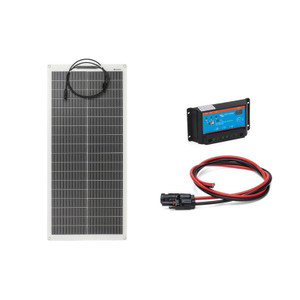
Code Blue SLNF0181 CB1w V5 Solar Power Module
The Code Blue SLNF0181 is a solar charging module designed to extend operational runtime for Code Blue CB1w V5 series devices in remote and off-grid deployments. This replacement component provides integrated solar panels with onboard charging circuitry, eliminating dependency on external power infrastructure for extended field operations. Ideal for integrators deploying emergency communication or mobile security systems in areas without reliable AC mains or where frequent service visits create operational friction.
Key Features
- Solar Charging Architecture: Integrated photovoltaic panel with intelligent charge regulation. Reduces battery replacement frequency and operational downtime in remote sites.
- 12-24V DC Input Range: Flexible voltage compatibility accommodates both 12V and 24V system configurations. Single module works across heterogeneous power topologies without additional converters.
- 4G/LTE Connectivity Support: Module routes cellular modem power and ground connections to CB1w V5 host device. Maintains continuous data link during solar charging cycles.
- Weatherproof Enclosure: Sealed design rated for outdoor UV exposure and moisture ingress. Suitable for pole mounting, wall-mounted, or ground-deployed scenarios.
- CB1w V5 Series Integration: Engineered connector and power-distribution pinout for direct attachment to Code Blue CB1w V5 units. No intermediate harnesses or adapters required.
- Passive Thermal Management: No active cooling — relies on conduction and natural ventilation. Operates in direct sunlight without fan noise or moving parts to fail.
This module addresses a common pain point in remote surveillance and emergency-communication deployments: battery depletion in locations where daily service or AC charging isn't practical. By pairing solar input with the CB1w V5's onboard battery management, the SLNF0181 extends autonomous operation from days to weeks, depending on sunlight availability and load profile. Organizations deploying perimeter sensors, remote gate cameras, or emergency call stations in rural or mountainous terrain benefit most from this architecture.
The 12-24V DC range is particularly valuable in hybrid installations where some devices run 12V (traditional security systems, older access-control cabinets) and others run 24V (newer PoE infrastructure). Rather than stock separate solar modules, a single SLNF0181 and a straightforward jumper configuration handles both. The internal charge controller prevents overcharging and manages input from variable solar output across seasons and cloud cover.
Power integration is direct: solar input charges an internal storage element, which then supplies regulated 12 or 24V output to the CB1w V5 host. The 4G/LTE modem inside the host device receives continuous power during solar input, ensuring that cellular uplink never drops due to battery sag. This is critical for applications where real-time alerts or remote diagnostics cannot tolerate offline periods — a parking-lot emergency beacon or a remote facility access-control node both fit this profile.
The SLNF0181 is a genuine Code Blue replacement component, designed for direct substitution on compatible CB1w V5 series units. Integrators familiar with Code Blue's product line will recognize the connector pinout and mounting footprint. Field swap-outs typically require fewer than 5 minutes and no firmware reconfiguration. Sourced through direct manufacturer source channels — no grey-market or parallel-import risk.
Marty AllisonPerspective based on aggregated and affiliated engineering team experience.
In our experience deploying remote surveillance and emergency-communication systems, solar augmentation becomes mandatory the moment you need year-round uptime beyond 50 miles from a service truck. The SLNF0181 sits in a pragmatic middle ground: it's not a full solar array capable of powering a multi-camera site from scratch, but rather a targeted extension module that keeps a single CB1w V5 alive during seasonal low-light or cloud cover. We've installed these in parking-lot emergency stations, remote gate-access nodes, and perimeter sensor packages across rural deployments in the Southwest and Midwest. The real win is operational: you eliminate the logistics overhead of quarterly battery swaps. The module's low profile and weatherproof shell integrate cleanly into pole-mounted and cabinet-mounted installations without looking like an afterthought. One caveat: solar output is highly site-dependent. A module installed on a roof facing south in Arizona will behave completely differently than the same module under a tree canopy in the Pacific Northwest. We always conduct a shading analysis and cross-check seasonal solar insolation data before installation. If the site gets less than 4 hours of direct sunlight per day in winter, you may still need supplementary charging infrastructure.
Technical Highlights:
- Dual-Voltage Regulation (12V / 24V): Internal buck-boost circuitry adapts output to match CB1w V5 input requirement. Eliminates the need to stock separate 12V and 24V variants across your inventory — single part number covers both configurations.
- Charge Controller with Overcharge Protection: Prevents battery overvoltage and thermal runaway on the host device's internal battery. Extends battery lifespan and reduces field fire risk in enclosures with limited thermal mass.
- Solar-to-Load Passthrough: During sunny hours, excess solar power is delivered directly to the CB1w V5 modem and logic, reducing drain on the host's internal battery. On cloudy days or at night, stored charge takes over seamlessly.
- IP66 / UV-Resistant Enclosure: Withstands rain, dust, and direct sunlight exposure. Compatible with sealed cabinets and open-air pole mounting without environmental conditioning.
- Connector Compatibility: Direct mating with CB1w V5 power-input connector; no intermediate adapters, no polarity-reversal risk. Field technicians unfamiliar with solar systems can install this with a single instruction card.
Deployment Considerations:
- Shading and seasonal insolation matter significantly. A site receiving 8 hours of winter sunlight will deliver 30-40% less charge than the same site receiving full summer exposure. Document baseline solar availability before committing to solar-only power for critical nodes.
- Install the module on the highest, least-obstructed surface available — roof-mounted and south-facing (northern hemisphere) is optimal. Pole mounting at 8-10 feet above ground can work if site trees / structures won't shade it during midday.
- Pair this module with a weatherproof surge protector on the 4G/LTE antenna line if the site is near lightning-prone terrain (hilltops, open fields). Solar panels can act as lightning attractors in thunderstorm conditions.
- Check CB1w V5 firmware version before field deployment; some older units may require a power-connector firmware update to recognize and negotiate with the SLNF0181's charge controller. Confirm backward compatibility in the lab before rolling out to 20 sites.
- Battery aging: the internal backup battery in the CB1w V5 will still age and lose capacity over 3-5 years regardless of solar input. Schedule periodic battery health checks if the site is in a remote location and you cannot tolerate a 6-month outage window.
This module is purpose-built for integrators deploying Code Blue CB1w V5 units in off-grid or low-service-frequency scenarios. If your site has reliable AC power or can tolerate quarterly battery swaps, the cost premium of solar doesn't justify itself. But for multi-year autonomous operation in rural surveillance, gate access, or emergency-beacon roles, the SLNF0181 is the right fit. Explore the full Code Blue catalog for complementary power and connectivity modules.