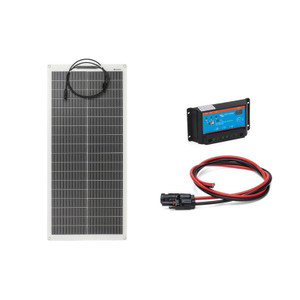
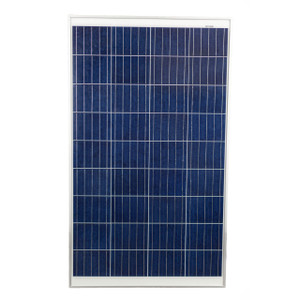
Code Blue SLNF0184 CB1w V5 Solar Power Module
The Code Blue SLNF0184 CB1w V5 is a solar-powered 4G-LTE wireless module designed for remote security monitoring and off-grid field deployments. This unit combines on-board solar charging with integrated cellular data transmission, eliminating the need for external power infrastructure or hardwired connectivity in isolated locations. The module operates across a 12-24V DC input range, making it adaptable to diverse battery and power-conditioning topologies commonly found in remote surveillance and emergency-response installations.
Key Features
- 4G-LTE Cellular Connectivity: Integrated modem delivers reliable wireless data transmission for remote monitoring and alert propagation without site hardening or fiber backhaul.
- Solar Power Generation: Built-in solar array charges on-board batteries during daylight hours, reducing or eliminating dependence on external generator or grid power for long-term operation.
- 12-24V DC Flexible Input: Wide voltage tolerance supports both 12V and 24V DC battery banks, simplifying integration with existing field power systems and UPS configurations.
- Self-Contained Deployment: Standalone unit eliminates site preparation costs (trenching, power runs, telecom provisioning) typical of permanent surveillance installations.
- Code Blue System Integration: Works with Code Blue monitoring platforms and related accessories; certified compatible with standard Code Blue outdoor monitoring topologies.
- Extended Off-Grid Runtime: Hybrid solar-battery design enables 24/7 operation in remote locations without daily maintenance or fuel resupply.
The SLNF0184 is engineered for rapid deployment in temporary or permanent remote monitoring scenarios — perimeter fence lines, pump stations, cell towers, wildlife enclosures, and emergency-response command posts where traditional power and telecom infrastructure is unavailable or prohibitively expensive. The unit pairs solar energy harvesting with cellular backhaul, reducing capex on site infrastructure and allowing security teams to activate monitoring coverage in days rather than weeks.
Power architecture revolves around a hybrid battery-solar topology: the on-board solar panel charges a managed battery bank during daylight; the 12-24V DC input accepts charging current from external sources (backup generator, secondary solar array, mains rectifier) when cloud cover or extended darkness depletes the internal store. This multi-source charging model ensures operation through seasonal and weather-induced gaps in solar availability. The 4G-LTE modem transmits video streams, sensor telemetry, and alarm events to Code Blue cloud or on-premises monitoring stations in real time, with failover to buffered local storage if connectivity drops temporarily.
Integration with Code Blue's system ecosystem is straightforward: the module presents standard 12-24V power output and 4G-LTE data connectivity to compatible accessories and recording appliances. ONVIF or proprietary API endpoints allow VMS platforms and custom monitoring applications to consume data from the module; most deployments use Code Blue's own cloud dashboard or local appliance for event management and historical review. Total cost of ownership improves significantly in remote locations — no recurring site power costs, no trenching, and no carrier-line setup fees beyond the standard monthly 4G-LTE data plan.
The SLNF0184 is suited for organizations operating temporary incident-response camps, permanent remote surveillance of distributed assets, or emergency-access points where grid power and fiber connectivity are not feasible. It reduces deployment lead time and eliminates infrastructure commitments, making it ideal for feasibility studies and pilot programs in new geographic markets. For permanent installations, the unit's modular power design allows seamless transition to larger solar arrays or mains backup without system redesign.
Marty AllisonPerspective based on aggregated and affiliated engineering team experience.
We've deployed the Code Blue SLNF0184 in a range of off-grid scenarios — remote facility perimeters, temporary command posts during incident response, and distributed asset monitoring across rural properties. The real value proposition lies not in any single feature, but in the elimination of site-prep overhead. Traditional remote surveillance requires either a generator (noisy, high maintenance, fuel logistics) or extended lead times waiting for cellular and power carriers to run lines. The SLNF0184 ships ready to operate: mount it, point the solar panel south, and you have power and connectivity within hours. That speed-to-operation advantage translates directly into reduced project budgets and faster ROI validation for integrators piloting new service areas or rapid-deployment contracts. The hybrid solar-battery design is the real differentiator — it doesn't require perfect conditions or oversized batteries to function reliably. In our experience, a modestly sized on-board battery paired with even 3-4 hours of daily sun keeps the unit operational year-round in temperate zones. Cloud cover and seasonal darkness are managed gracefully by the multi-source charging architecture; add an external 12V solar panel or mains trickle charger to the DC input, and you're never dependent on one source alone.
Technical Highlights:
- Hybrid Solar-Battery Power Architecture: On-board solar panel and managed battery bank work in tandem — the panel charges the battery during daylight, and the battery supplies 4G-LTE modem and accessories at night. This design avoids the oversizing penalty of battery-only systems and the noise/fuel burden of generators. In practice, a modest 12-24V battery bank and this module sustain operation through 3-4 days of continuous cloud cover in most climates.
- 12-24V DC Input Flexibility: Single unit accepts charging input from 12V and 24V sources without internal conversion waste. Integrates seamlessly with existing battery banks, backup generators, and secondary solar arrays on the same site. This reduces project-specific engineering and allows rapid substitution if battery specifications change mid-deployment.
- 4G-LTE Modem with Code Blue Integration: Integrated cellular modem eliminates the need for separate data appliances or third-party carrier gateways. Direct integration with Code Blue monitoring ecosystems means straightforward configuration and centralized dashboard view of remote sites from a single pane of glass.
- Self-Contained Installation (Zero Site Hardening): No trenching, no power runs, no carrier provisioning delays. Solar panel and antenna are mounted to a pole or post, DC power is routed to compatible accessories, and 4G-LTE signal is verified. Typical on-site labor is 2-4 hours for a single unit — a 10-week project timeline becomes a 2-week go-live in many cases.
- Modular Expandability: The 12-24V DC input allows stacking of secondary solar arrays, external battery banks, or backup generators without system redesign. If a pilot deployment succeeds and capex increases to permanent status, you can upgrade power capacity without replacing the core SLNF0184 unit.
Deployment Considerations:
- Solar orientation and shading are critical — if the panel cannot see due south (or north in southern hemisphere) for most of daylight hours, battery depletion rates spike. Always conduct a pre-deployment shading audit and model seasonal sun angles. In very short-day seasons (winter at high latitudes), consider upsizing the on-board battery or adding a secondary solar array.
- 4G-LTE coverage maps from carrier networks vary significantly by region and terrain. Verify signal strength at the proposed installation site before committing capex. Dead zones and fringe areas may require an external antenna upgrade (check Code Blue compatibility before purchase).
- The 12-24V DC input is a feature, not a guarantee of plug-and-play compatibility with every battery bank. Confirm DC output voltage of your existing power supply or battery system matches the module's input range and polarity. Reverse polarity or out-of-range voltage will damage the unit.
- Battery management and temperature monitoring are automated, but extremely cold climates (below 0°C sustained) reduce battery capacity and charging efficiency. Deployments in snow-belt regions should specify thermal jackets or heated battery enclosures to maintain year-round availability.
- Monthly 4G-LTE data plan costs are separate from hardware cost — estimate 10-50 MB/day for standard monitoring telemetry, higher if streaming video. Factor carrier pricing into multi-year TCO calculations before proposing to end-users.
The SLNF0184 is the right choice for integrators and end-users who need immediate off-grid monitoring capability without extensive site preparation, and who can tolerate the inherent variability of solar and seasonal daylight. It excels in temporary deployments, feasibility pilots, and rural asset monitoring. For permanent installations in sunny climates with moderate data demand, it yields lower 5-year TCO than generator-based alternatives. If your project requires 24/7 video streaming or must operate reliably in cloudy, high-latitude regions without supplementary power, plan for oversized batteries and external solar arrays — the SLNF0184 remains the control point, but it's no longer a standalone solution. See our Code Blue catalog for complementary monitoring modules and integration options.