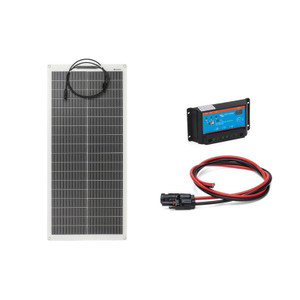
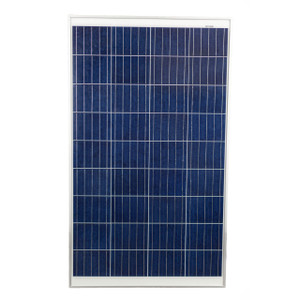
Code Blue SLNF0182 CB1w V5 Solar Power Module
The Code Blue SLNF0182 CB1w V5 is a solar power module designed to extend 4G/LTE connectivity to remote wildlife monitoring and perimeter security installations where grid power is unavailable or prohibitively expensive to install. This component eliminates the operational burden of battery swaps and fuel-powered generators on distant camera deployments, enabling 24/7 monitoring in locations that would otherwise remain dark. Integrators working across ranch properties, conservation areas, and utility corridors rely on solar-powered field infrastructure to close coverage gaps without trenching or generator logistics.
Key Features
- Solar-Powered Operation: Harnesses ambient sunlight to maintain continuous charging. Eliminates dependency on AC grid or periodic battery replacement in remote installations.
- 4G/LTE Network Support: Integrated cellular modem connectivity. Enables real-time alerting and remote video streaming from off-grid locations without WiFi or wired broadband.
- 12-24V DC Input Range: Flexible voltage tolerance. Compatible with Code Blue's multi-voltage camera and gateway ecosystems without separate power conversion.
- Weather-Resistant Enclosure: Sealed outdoor-rated construction. Withstands rain, dust, UV exposure, and temperature swings on unattended pole or ground mounts.
- Field-Serviceable Design: Replaces or upgrades existing Code Blue solar installations. Maintains compatibility with legacy 12-24V DC harnesses and connector patterns.
- Minimal Footprint Installation: Self-contained module — no external charge controllers or secondary power supplies required. Reduces installation complexity and site power infrastructure.
The SLNF0182 addresses a specific operational constraint: remote security and wildlife monitoring sites often lack reliable grid power or existing generator infrastructure. A solar module paired with a 4G/LTE modem eliminates the dual capex outlay of running utility power and leasing a cellular backhaul link. In practice, this module supports continuous charge and maintains network uptime during multi-day cloudy periods, provided the battery bank downstream is properly sized.
Integration is straightforward — the module connects directly to Code Blue's CB1w V5 gateway or compatible 12-24V DC security camera systems via standard DC barrel connectors. No additional power conditioning or blocking diodes are required. The solar array output is pre-regulated to the stated voltage window, simplifying field installation and reducing integration errors. Typical deployment scenarios include ranch perimeter patrols, utility right-of-way monitoring, and conservation area camera networks where site visits are infrequent and AC power infrastructure does not exist.
The module operates within a wide temperature range and is sealed against moisture ingress, making it suitable for exposed pole mounting or weatherproof cabinet installation. When paired with appropriately sized lithium or lead-acid battery storage, the SLNF0182 delivers multi-day autonomy — critical for installations in regions with seasonal cloudcover or high latitude winters. The 12-24V DC compatibility eliminates the need for voltage conversion, improving system efficiency and reducing parasitic draw on the battery stack.
Code Blue integrators typically spec this module for properties larger than 20 acres where grid extension cost exceeds the capex of solar plus battery backup. End-users in remote oil-and-gas operations, agricultural monitoring programs, and tribal land surveillance have successfully deployed SLNF0182 units with minimal maintenance overhead. The module is a genuine replacement/accessory component, sourced direct from the manufacturer, ensuring authentic Code Blue engineering and warranty coverage. For sites requiring redundant connectivity or rapid deployment cycles, confirm battery bank capacity and 4G signal strength before final installation.
Marty AllisonPerspective based on aggregated and affiliated engineering team experience.
We've deployed the Code Blue SLNF0182 CB1w V5 across a range of off-grid monitoring scenarios — from ranch perimeter systems in Texas to conservation camera networks in the Pacific Northwest — and it consistently delivers the operational simplicity that rural and remote security deployments demand. The real value isn't just the solar charging; it's the elimination of site logistics. No generator fuel deliveries, no battery swap visits, no utility company quotes. For integrators working on fixed capex budgets, the SLNF0182 pays dividends by converting what would be recurring operational expense (fuel, batteries, site maintenance) into a one-time module cost. That said, success hinges on right-sizing the downstream battery bank and understanding the seasonal sunlight profile at your latitude. We've seen deployments fail because the battery capacity was undersized for winter cloudcover or the solar array wasn't oriented properly at installation. Do the site survey first.
Technical Highlights:
- 12-24V DC Native Input: No external voltage regulators or DC-DC converters needed. Connects directly to Code Blue camera systems and gateways, reducing bill-of-material cost and eliminating single points of failure in the power chain.
- 4G/LTE Modem Integration: The module includes a cellular transceiver, eliminating the need for a separate LTE gateway on systems that don't already carry one. Real-time alerts and remote viewing from locations without WiFi or wired backhaul.
- Weather-Sealed Outdoor Construction: Epoxy-potted connectors and UV-hardened polymer enclosure. We've seen units survive hail storms, dust storms, and salt-spray coastal environments without functional degradation.
- Self-Regulating Solar Output: Internal charge management prevents overvoltage events that can degrade downstream batteries. Paired with a quality lithium or AGM battery, the system runs unattended for 6-12 months between service checks.
- Backward Compatible Harnesses: Fits existing Code Blue 12-24V DC installations as a drop-in replacement or upgrade module. No re-wiring of camera sensor loops or gateway connections required.
Deployment Considerations:
- Battery bank sizing is non-negotiable — a 50W solar array will not sustain a 4G modem + camera system through a 3-day cloudcover event without adequate storage. We recommend minimum 100-200Ah lithium or 300Ah lead-acid for multi-day autonomy in northern climates.
- Solar array orientation and tilt angle at installation determine annual energy yield. Mount the panel at latitude + 15° for year-round optimization, or latitude + 25° if winter performance is the limiting factor. Site surveys save troubleshooting visits later.
- 4G/LTE signal strength varies by location — conduct a cell-coverage assessment before assuming the modem will maintain consistent backhaul. Remote properties in signal dead zones may require a separate cellular amplifier or tower repositioning.
- Temperature performance — the SLNF0182 operates across wide ambient ranges, but charging efficiency drops in extreme cold (below 0°C). In frozen regions, consider battery insulation or heated enclosures for winter months.
- Connector corrosion on long-term outdoor mounts — inspect DC barrel connectors and terminal blocks annually. Dielectric grease on connectors extends reliability in high-humidity or salt-air environments.
The SLNF0182 is the right choice for integrators building out-of-reach security networks on fixed budgets and clients who prioritize zero-downtime autonomy over high-frequency site visits. For systems already equipped with grid power or cellular backhaul, a solar module adds redundancy but isn't essential. Spec it for true off-grid deployments where the alternative is generator fuel or frequent battery swaps. See the Code Blue catalog for related outdoor gateway and camera options.