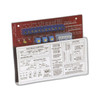
Camden CX-SA1 TCP/IP Network Switch Lock
The Camden CX-SA1 is a TCP/IP network switch lock designed for single-door access control installations requiring centralized relay control and IP-based audit logging. Operating at 48VDC, it integrates directly into networked access control systems to provide relay-switched lock actuation from a central management interface. This eliminates separate analog control runs to each door and consolidates lock event logging into a unified database — critical for facilities managing multiple access points across distributed locations or multi-building campuses.
Key Features
- TCP/IP Network Control: Direct integration with IP-based access control systems. Lock state changes and audit events flow through your central management platform without analog wiring overhead.
- 48VDC Power: Standard 48VDC input — common voltage in enterprise access control infrastructure, simplifying power distribution and redundancy planning.
- Form C Relay Contacts (2A @ 24V): Dual throw relay (common, NO, NC) supports both fail-safe and fail-secure door configurations. Choose operation mode based on life safety code and door function.
- MOV Protection Included: Metal Oxide Varistor suppression device supplied to protect relay contacts from back-EMF spike damage. Install across lock coil to extend contact service life on 24/7 duty cycles.
- Single-Door Rated: Dedicated to one door per unit — no multi-door controller overhead or shared relay conflicts. Scales horizontally with additional units as facility grows.
- Centralized Event Logging: All lock actuation and state changes recorded through your TCP/IP management system. No separate event database or polling required.
Network Integration & Architecture
The CX-SA1 connects directly to your access control panel or network controller via standard TCP/IP protocol, eliminating the need for analog wiring runs from a central relay rack to remote door strikes. This is particularly valuable in retrofit installations where running new analog lines would disrupt existing infrastructure. The IP-native architecture means every lock event is time-stamped and logged by your central system automatically — no intermediate data logger or proprietary bridge needed. Your existing access control software (whether Genetec, Milestone-aligned, or vendor-proprietary IP platforms) can issue relay commands and read lock state in real time.
Power delivery is the primary installation constraint: 48VDC must be available at the device location, either from a central UPS-backed supply or a PoE injector rated for high-current draws (confirm your system's power budget). The relay contact rating (2A @ 24V) is sufficient for standard electronic strikes and smaller solenoid locks; verify your specific lock's inrush current before final commissioning. If inrush exceeds 2A, consider a larger relay module or staggered actuation logic in your control panel.
Deployment Scenarios & ROI
This lock is most cost-effective in new or moderately sized access control rollouts (5–50 doors) where network infrastructure already exists and you're consolidating multiple access points under one platform. In retrofit scenarios, the savings come from eliminating analog wiring labor — a single IP run to a network closet replaces multiple home-runs from a central relay bank. Multi-building campuses benefit from unified credential verification: a single badge swipe at Building A or Building C logs to the same event stream, simplifying audit and occupancy tracking. For facilities with strict audit requirements (healthcare, financial, pharma), the automatic TCP/IP event logging reduces manual log-review burden and eliminates the risk of lost or incomplete paper records.
Form C Relay & Safety Considerations
The dual-throw relay design (common, NO, NC) gives you operational flexibility: wire the NO contact to unlock the door (fail-safe if power is lost), or wire the NC contact to lock the door (fail-secure if power is lost). Your choice depends on local fire code and door function. Life safety egress doors typically require fail-safe (unlocked on power loss); interior secure doors or high-security zones may require fail-secure. The MOV protection supplied with the unit is essential on 24/7 duty — install it directly across the lock coil terminals to absorb the voltage spike when the relay de-energizes. Without it, contact degradation accelerates and failures cluster around months 8–14 of operation on heavy-traffic doors.
Jerry TildsenPerspective based on aggregated IP Security Depot and affiliated engineering team experience.
We've deployed the CX-SA1 into mid-market campuses transitioning from analog relay closets to IP-centric access control. The real win is operational: every lock event lands in your central database automatically, eliminating the audit-log reconciliation nightmare that comes with separate analog panels and event aggregation software. On a 20-door retrofit, you're saving 3–4 weeks of wiring labor by going IP-only instead of mixing analog runs with network backbone. That said, the CX-SA1 is not a silver bullet — it's a relay switcher, not a smart lock. It doesn't store credentials, doesn't support credential offline operation, and doesn't survive a network outage if your system doesn't have local failover logic. If you're in a distributed campus or rural location with spotty connectivity, pair this with your access control platform's offline credential caching or local reader logic — don't assume TCP/IP is always available. The 48VDC power requirement also means you need a robust UPS strategy; a brief power glitch will drop every door simultaneously unless your control panel has battery-backed relay hold-up. We've seen small integrators overlook this and end up explaining to clients why a breaker trip locked everyone out for 15 minutes.
Technical Highlights:
- Form C Relay (2A @ 24V): Dual-throw contact set lets you configure fail-safe (unlocked on power loss) or fail-secure (locked on power loss) independently per door — crucial for mixed-use facilities with different code requirements per entrance.
- TCP/IP Protocol Native: Commands and state polling happen over your network infrastructure. No dedicated control wiring runs — reduces installation footprint and speeds future expansions or layout changes.
- 48VDC Input: Standard voltage in enterprise access control ecosystems. Most modern panels supply 48VDC to distributed field devices; integrates cleanly with existing UPS and power management.
- MOV Suppression Included: Back-EMF protection device supplied in the box — install it immediately upon receipt. Protects relay contacts from inductive spike damage on every actuation. Skip this step and you'll see contact wear-out in 6–12 months of heavy traffic.
- Single-Door Isolation: One lock per unit. No shared relay conflicts, no soft-kill scenarios where a firmware glitch disables multiple doors. Scaling is linear and predictable — add a unit, add a door.
Deployment Considerations:
- 48VDC power must be confirmed at the installation point before you spec this lock. Verify your access control panel's power supply capacity and UPS battery runtime — a power loss will drop the relay unless your system has local failover or relay hold-up logic in the control panel.
- Network connectivity is assumed to be always-on. If your site has spotty or fragmented IP connectivity (isolated mechanical rooms, wireless dead zones), confirm your access control platform supports local credential caching or readers with onboard logic — the CX-SA1 cannot operate without a live TCP/IP link to the controller.
- Relay contact inrush rating is 2A @ 24V. Standard electronic strikes (0.5–1.2A inrush) are safe; larger solenoid locks (3A+) require a relay multiplier or staggered timing in your control logic. Measure or request the lock manufacturer's inrush spec before final hardware selection.
- Install the supplied MOV protection device across the lock coil the first day — do not defer this as a maintenance item. The small component cost saves field callbacks and extends relay life 2–3x on high-cycle doors.
- Form C wiring decision (NO vs. NC) must align with local fire code and door function. Schedule a brief safety review with your AHJ if you're unsure. Life safety egress doors typically demand fail-safe; secure perimeter doors often require fail-secure.
The CX-SA1 is the right choice for IP-first access control deployments where you want one device per door, native TCP/IP logging, and minimal wiring overhead. It's not a replacement for intelligent locks or mobile credential readers — it's a bridge from legacy analog relay control to modern IP-centric architectures. Specify it when your system design already commits to TCP/IP backbone and 48VDC distribution. Explore the Camden access control product catalog for complementary readers, controllers, and strike options.