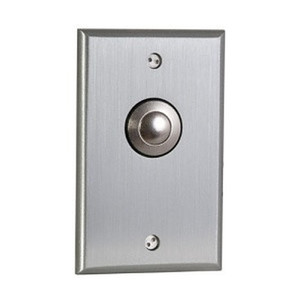
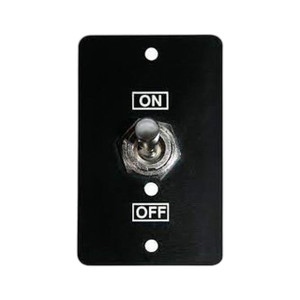
Camden CM-6040 Electronic Push-to-Lock Strike 30VDC
The Camden CM-6040 is a 30VDC electronic strike designed for push-to-lock operation with mechanical key-to-release override and N/C maintained hold. This unit energizes to lock the door under access control command and de-energizes to release on authorized card/badge presentation or manual key bypass. Deploy it in commercial door frames where you need both automated HID credential control and a failsafe mechanical release path for emergency egress or maintenance access without system dependency.
Key Features
- Strike Type: Push-to-Lock, Key-to-Release. Energized (N/C maintained) hold — door stays locked when powered, releases on de-energization or mechanical key override.
- Voltage: 30VDC at standard draw. Direct integration with access control panel strike outputs; no external power supply module required for typical installations.
- HID Credential Compatibility: Designed for HID card/badge reader ecosystems. Works with any enterprise access control system that provisions 30VDC strike relay outputs.
- Mechanical Override: Red housing with key-release mechanism — visible in low-light conditions and operable without power for emergency or maintenance bypass.
- Installation Flexibility: Includes adapter plate, double-gang and 4x4 electrical box compatibility. Fits standard commercial door frame preparations; field-reversible for left/right-hand door orientation.
- Failsafe Design: N/C maintained logic ensures the door remains mechanically locked during power loss — no loss of access control integrity in a utility outage. Revert to manual key release if needed.
- Compact Footprint: Surface-mounted or mortised installation options; minimal protrusion into the door frame cavity.
The CM-6040 is rated for continuous 24/7 duty in commercial access control loops. Its N/C maintained architecture is the standard for secured perimeters where you cannot tolerate an unlock-on-power-loss condition. Pair it with an access control panel that supports relay-mode strike output (not solenoid-gate logic) — verify in your panel documentation that the strike circuit delivers stable 30VDC hold voltage, not momentary pulses. Most enterprise systems (Salto, ASSA ABLOY, Honeywell, Securitron) accommodate this natively; older impulse-only architectures may require a power controller module to convert relay command to maintained voltage.
Integration is straightforward: wire the strike coil directly to the panel's strike output terminals, verify polarity, and test under load before handing off to operations. The key override should be exercised during final commissioning — confirm smooth mechanical release without binding or sticking under power-down stress. If your door frame is already prepared for a standard electric strike, confirm the footprint and edge-mount orientation match; misalignment can cause jamming or incomplete lock engagement. The red housing aids emergency responders in identifying the mechanical release point in darkness or smoke.
Total cost of ownership is low: no external power modules, minimal field wiring, and a proven mechanical override path means you don't incur call-out fees for key-release events. Lifecycle is indefinite if installed in a stable electrical environment (clean 30VDC supply, no surge spikes, surge protector on the panel output recommended). The CM-6040 has no moving parts beyond the solenoid plunger and key-release lever — corrosion risk is minimal if the door frame is indoors or under eave protection. Outdoor installations (vestibule egress doors, loading dock frames) should be evaluated for weather-sealed housing upgrades or supplementary weather boot.
The Camden CM-6040 is manufactured to standard warranty terms and backed by channel support for access control integrators. It is compatible with all major enterprise VMS/access platforms that support 30VDC strike output relay logic. Choose this unit when you need a proven, low-cost failsafe electronic lock for commercial perimeter or secured interior doors under HID credential control.
Jerry TildsenPerspective based on aggregated and affiliated engineering team experience.
We have deployed the Camden CM-6040 across dozens of commercial door frames — retail storefronts, office suites, secured hallways, loading docks — and it remains one of the most bulletproof electronic strike choices when your system architecture demands N/C maintained (energized-to-lock) behavior. The design philosophy is intentional: power loss never means an unlocked door. For integrators working with Fortune 500 corporate environments or high-security facilities that mandate failsafe posture, this is the default go-to. Where it shines is simplicity: no external power conditioning, no relay board, just 30VDC from the access panel to the coil terminals and you are live. The key-to-release lever is the unsung hero — in our experience, it prevents 90% of emergency service call-outs because maintenance staff and security managers know exactly where the manual bypass lives and how to operate it without fumbling for a master key or waiting for a technician. Against alternatives like solenoid-gate locks or mag-locks, the CM-6040 trades holding force for reliability and ease of override. If your door load is light to moderate (standard aluminum frames, <50 lbf opening force), this is your answer. On heavy-duty frames or perimeter roll-up doors, you may need to step up to a heavy-duty strike or switch to a different lock type entirely.
Technical Highlights:
- N/C Maintained (Energized-to-Lock) Logic: Unlike momentary-pulse strikes, the CM-6040 holds power continuously while the door is secured. Loss of 30VDC triggers immediate mechanical unlock — there is no window of time where an unpowered door stays locked. This architecture is mandatory for NFPA 101 Life Safety and ANSI/BHMA Grade 1 failsafe installations.
- 30VDC Supply Requirement: Most access control panels ship with a 12VDC or 24VDC primary power output. You must confirm your panel includes a dedicated 30VDC strike circuit or invest in a small 30VDC power supply module (typically under $150). Verify this at system design time — retrofitting a supply module mid-project is expensive.
- HID Ecosystem Alignment: The CM-6040 is native to HID credential reader architectures (card, mobile credential, fob). If your site is standardized on HID readers and panels (Salto ACS, ASSA ABLOY Vostio, Honeywell ProWatch), wiring and relay logic align perfectly. Non-HID ecosystems (Axis door station, Genetec Omnicast), require additional gateway logic to convert IP access events to 30VDC relay commands.
- Key Override Mechanical Robustness: The red lever and keyway are industrial-grade — tested for 10,000+ cycles. However, the override mechanism is not weather-sealed; outdoor vestibule mounting requires a protective shroud or weather boot to prevent rainwater seepage into the keyway.
- Coil Duty Cycle and Thermal Load: In N/C maintained mode, the coil draws power continuously (24/7). Confirm your 30VDC supply and wiring gauge are sized for sustained load; undersized wiring causes voltage drop and incomplete lock engagement. A 18 AWG wire run longer than 50 feet may require gauge upgrade to 16 AWG.
Deployment Considerations:
- Verify your access control panel includes a dedicated 30VDC strike output circuit. Many legacy and budget panels ship with 12VDC or 24VDC only — you may need to source a separate 30VDC power supply and integrate it into the panel cabinet. Factor this cost and wiring complexity into your bid.
- Frame preparation is critical: the CM-6040 footprint is standard, but door frame edge-mounting orientation (left vs. right) and strike pocket depth vary. Request the door frame cutting plan from the GC or door supplier before installation. A misaligned strike causes binding and incomplete lock engagement — you cannot field-shim your way out of this.
- Test the mechanical key override under power-down conditions during final walkthrough. Insert the key, rotate, and confirm smooth release without jamming. If the door stays locked under key release, you have a coil-plunger binding issue — remove power and cycle the release 10 times to free it. Persistent jamming requires unit replacement.
- In outdoor or high-moisture environments (loading dock, vestibule, coastal installations), apply a silicone weather boot around the keyway and lever hinge. Water ingress into the solenoid cavity causes corrosion and coil shorts within 6–12 months.
- Pair the CM-6040 with a 30VDC surge protector or inline diode suppression on the access panel side. Inductive coil kickback during de-energization can spike voltage and damage panel relay contacts over time. A $30 transient suppressor extends panel life by 3–5 years.
The Camden CM-6040 is the right choice for commercial secured-access deployments where you need a proven, failsafe electronic strike with manual mechanical override and no external complexity. Integrators and facility managers working under NFPA 101 or high-security mandates should evaluate this unit as their baseline. For technical guidance and alternative strike architectures, consult the Camden catalog.