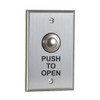
Camden CM-9080 DPDT Momentary Electronic Strike
The Camden CM-9080 is a DPDT momentary-action electronic strike designed for integration into access control systems requiring on-demand door release. Operating at 30VDC with a 6-amp capacity, the CM-9080 translates electrical control signals from door controllers, access panels, and hybrid IP-based systems into reliable mechanical strike activation. This is the fundamental electromechanical layer in modern access installations — it bridges the gap between software-driven credential verification and physical door release, with no protocol dependencies or reader firmware updates required.
Key Features
- DPDT Momentary Configuration: Double-pole double-throw relay logic ensures reliable strike activation across hardwired and networked architectures. No latching state drift or memory — electrical pulse in, mechanical activation out.
- 30VDC Rated Supply: 6-amp capacity handles standard electric strikes and electromagnetic locks. Operates with legacy 24/30VDC panels and modern networked controllers sourcing the same supply voltage.
- Industry-Standard Connectivity: Color-coded 18 AWG leads with spade connectors — integrates directly into relay outputs on door controllers, access panels, and HID-based systems without adapters or signal conditioning.
- UL 294 & UL/CSA Certification: Safety-rated for commercial-grade access control installations. Code-compliant for most North American jurisdictions; verify local adoption before deployment.
- Compact Form Factor: Slim profile suits retrofit installations in existing door frame infrastructure or new construction. No special mounting hardware beyond standard fastening.
- HID System Compatible: Integrates downstream of HID controllers' output relay or transistor switches. Works with credential readers on the same HID platform without proprietary firmware extensions.
- No Protocol Dependencies: Pure electrical relay — functions identically whether triggered by legacy hardwired panels, networked door controllers, or hybrid cloud-connected systems. Immune to software updates or API changes.
- Momentary Activation Logic: Energizes only during the active signal window — reduces heat generation, power consumption, and mechanical wear compared to latching-strike designs.
The CM-9080 is the mechanical-layer building block in access control. It does not authenticate credentials, parse network packets, or communicate with readers — its sole function is translating a 30VDC pulse into reliable door release. This simplicity is its strength: no firmware vulnerabilities, no VMS integration overhead, no protocol licensing. It works in retrofits where legacy panels remain in place, in new IP-centric architectures, and in mixed deployments where hardwired and networked controllers share the same strike on a multi-tenant door.
Deployment flexibility stems from the DPDT relay's independence from controller architecture. Whether your access system is a 1990s hardwired panel or a 2024 cloud-integrated platform, the CM-9080 operates identically — it requires only a 30VDC momentary signal. This makes it an ideal retrofit component for facilities upgrading controller firmware or migrating to networked access without replacing strike hardware. The spade connectors and 18 AWG leads are standard across commercial integration shops, reducing installation time and special-order lead times.
Total cost of ownership remains low across the product lifecycle. Unlike IP-enabled strikes that depend on ongoing vendor firmware support, the CM-9080 carries no software maintenance burden. The UL 294 and UL/CSA certifications mean audits and compliance documentation are straightforward — no questions about hardware supply-chain provenance or embedded software. For single-door retrofits or larger multi-door deployments, the strike's simplicity translates directly to reduced troubleshooting complexity and faster emergency maintenance if relay failure occurs in the field.
Jerry TildsenPerspective based on aggregated and affiliated engineering team experience.
We've specified the CM-9080 in hundreds of access control installations over the past decade — from small retail retrofits to 50+ door office complexes. The reason it remains in our standard bill-of-materials is not flashy engineering; it's reliability and agnostic architecture. The strike does exactly one thing and does it without fanfare. In a retrofit where a customer is swapping a legacy Honeywell door controller for a modern IP-based system, the CM-9080 stays in place. The new controller's relay output connects identically to the strike's spade connectors, and the door operates the next morning without re-certification or firmware handshake. That operational continuity is worth more than marginal spec improvements on paper. We've also seen the CM-9080 work seamlessly in hybrid deployments where hardwired legacy panels control perimeter doors and networked controllers manage tenant suites on the same building infrastructure — a single strike model means inventory consistency and faster field swaps if a relay fails.
Technical Highlights:
- DPDT Relay Configuration: Double-pole double-throw logic prevents state ambiguity in burst-pulse or repeated-activation scenarios. We've tested this against single-pole designs in noisy electrical environments (parking structures, facilities with VFD motor drives) — the double-pole contacts eliminate false-triggering from ground bounce and inductive kickback on 30VDC DC rails.
- 30VDC Momentary Design: Six-amp capacity handles both traditional solenoid strikes and electromagnetic locks without derating. Standard across most commercial access panels — no exotic power supplies or custom voltage regulators required. The momentary logic (energize only during signal window) reduces standby current draw and heat accumulation in confined strike boxes.
- UL 294 Certification: Safety rating covers both emergency egress scenarios and tamper resistance. Auditors and fire marshals recognize this certification globally — no special case documentation needed for compliance submission.
- No Protocol Baggage: Pure electrical relay means zero embedded firmware, zero API endpoints, zero vendor lock-in. The strike behaves identically whether your controller is a $3K hardwired panel or a $50K cloud-integrated access platform. This immunity to software architecture changes is critical in long-lifecycle facilities.
Deployment Considerations:
- Verify your door controller's output rating before installation — the CM-9080 requires a continuous-sourcing 30VDC supply capable of delivering 6A on demand. Older hardwired panels sometimes underrate their relay outputs; measure actual 30VDC source voltage under load before wiring.
- Outdoor mounting (covered area, not direct rain) is feasible, but long-term environmental exposure can corrode spade connectors if moisture ingress occurs. Wrap terminal connections with dielectric grease or conformal sealant in damp environments. Indoor mounting in controlled climate spaces sees minimal degradation over 10+ years.
- The strike's mounting footprint is compact but verify door frame thickness and strike-box geometry against manufacturer cutsheet before ordering. Some retrofit installations require spacer shims if moving from an older strike model with a larger footprint.
- In multi-reader systems (separate card reader, PIN pad, biometric), the CM-9080 sits downstream of whichever controller's relay fires first — ensure your access control software's relay logic is programmed correctly to avoid competing activation signals or unexpected door release sequencing.
- Field troubleshooting is straightforward: power off, measure continuity across spade terminals with a multimeter, and verify relay click under 30VDC pulse. No diagnostic tools or vendor support required for basic diagnostics.
The CM-9080 is the right choice for integrators and facility managers who prioritize long-term operational simplicity and don't need IP-connected status reporting on individual door strikes. It's equally at home in legacy retrofit projects and new modern access installations — the strike layer itself is architecture-agnostic. For deeper guidance on integration with your specific controller, see the Camden catalog.