APC by Schneider Electric AP9325 20 ft Wired Leak Detection Sensor
Overview
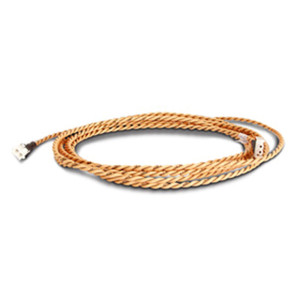
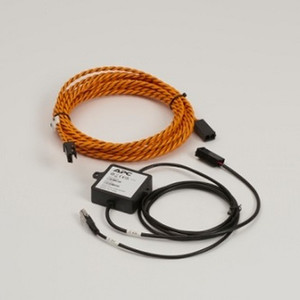
The APC by Schneider Electric AP9325 is a 20-foot (6.1 m) wired leak detection sensor designed to integrate with APC environmental management systems, giving data center and server room operators early warning of water intrusion before it reaches critical infrastructure. At 20 ft of sensing cable, the AP9325 covers a meaningful floor span under raised floors, around CRACs, or beneath condensate drain lines — common leak-risk zones in any production machine room. If you're building out a monitored power and infrastructure environment and need perimeter or spot leak coverage without retrofitting full flood panels, this sensor slots directly into APC's wired environmental monitoring architecture.
The AP9325 ships as a wired sensor, meaning it draws no battery — signal integrity doesn't degrade over time the way it does with wireless sensors, and there's nothing to replace on a maintenance schedule. For facilities teams running 24/7 environments where a missed alert is a serious event, wired is the right call.
Key Features
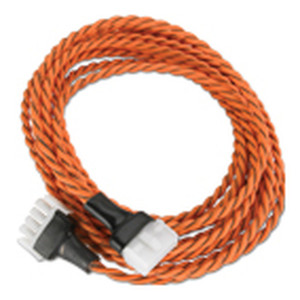
- 20 ft (6.1 m) Sensing Cable: Covers a full equipment bay width or a stretch of raised floor in a single run. That's enough to ring a mid-size UPS installation or trace along a condensate drain path without daisy-chaining multiple sensors — reducing complexity and potential failure points in your monitoring chain.
- Wired Connectivity: No batteries, no RF interference, no pairing. The AP9325 delivers a hardwired signal to your APC environmental monitoring device, which means the sensor state is always current — not dependent on a wireless poll interval. For mission-critical facilities, this is the architecture to choose.
- Operating Temperature Range 0–55°C (32–131°F): Covers every realistic indoor equipment room scenario from a chilly telecom vault to a hot-aisle environment running at the upper ASHRAE A2 limit. You won't trip false failure states from ambient heat in a dense compute room.
- Operating Humidity 0–95% RH (Non-Condensing): Wide enough to stay operational in high-humidity environments like basement infrastructure rooms or coastal facilities where ambient moisture runs high — precisely the environments where leak risk is highest and where you most need the sensor to remain reliable.
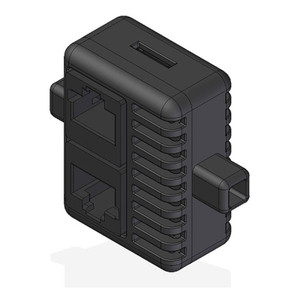
- Compact Form Factor — 171.5 × 161.3 × 69.9 mm: The sensor head is physically small enough to tuck under raised floor panels or position in tight equipment spaces without interfering with cable management or airflow. At roughly the footprint of a small networking switch, it installs without rerouting infrastructure.
- APC Environmental Management System Integration: The AP9325 is built for APC's ecosystem — plug it into a compatible APC environmental monitoring unit and it appears as a named sensor in your monitoring console, with alerting routed through whatever notification path (SNMP trap, email, SMS relay) your APC system is already configured to use. No additional middleware required.
Integration and Compatibility
The AP9325 is designed specifically for APC's environmental management architecture. If your facility is already running APC network management cards or an APC environmental monitoring unit, this sensor connects directly without additional adapters. Verify your specific APC monitoring device's sensor port count and supported sensor types before ordering — APC's environmental monitoring lineup spans multiple generations, and port compatibility is device-specific.
For deployments where you need temperature and humidity monitoring in addition to leak detection, APC offers combination sensors in the same ecosystem. The AP9325 is leak-only — it won't replace a combination environmental sensor if your monitoring unit supports a limited number of sensor ports and you need multi-parameter coverage from a single connection point.
Wired sensor runs should be routed away from high-voltage power cables to avoid potential interference with the low-voltage signal. Standard structured cabling best practices apply.
Frequently Asked Questions
Q: What APC devices is the AP9325 compatible with?
A: The AP9325 is designed for APC's environmental management system ecosystem. Verify compatibility with your specific APC monitoring unit or network management card before ordering, as port types and supported sensors vary by device generation.
Q: Does the AP9325 require a battery or external power supply?
A: No. The AP9325 uses wired connectivity and draws its operating signal through the connected APC environmental monitoring device. There are no batteries to replace and no separate power supply required.
Q: What is the sensing cable length on the AP9325?
A: The AP9325 includes 20 feet (6.1 meters) of sensing cable — enough to cover a full equipment bay width or trace along a condensate drain line without daisy-chaining additional sensors.
Q: Can the AP9325 operate in high-humidity environments?
A: Yes. The AP9325 is rated for 0–95% relative humidity (non-condensing), making it suitable for basement infrastructure rooms, coastal facilities, or any environment where ambient moisture runs high.
Q: What temperature range does the AP9325 support?
A: The AP9325 operates from 0°C to 55°C (32°F to 131°F), covering the full range of realistic indoor equipment room conditions including hot-aisle environments running near the ASHRAE A2 upper limit.
Q: Is the AP9325 a wireless or wired sensor?
A: Wired. This is a wired-only sensor — it connects directly to a compatible APC environmental monitoring device. There is no wireless or battery-powered variant of the AP9325.
The AP9325 is a straightforward addition to any APC-managed infrastructure environment, but don't underestimate what that 20 ft sensing cable means in practice. In a standard 10-foot-wide hot/cold aisle layout, a single AP9325 can cover the full width of a row under the raised floor with cable to spare — that's meaningful perimeter coverage from one sensor port on your environmental monitoring unit. I'd reach for this sensor specifically for CRAC unit condensate drain monitoring and raised-floor perimeter runs adjacent to external wall penetrations, where water intrusion risk is highest.
Technical Highlights:
- 20 ft (6.1 m) Cable: Long enough to span a full equipment row or trace a condensate drain line end-to-end — reducing the number of sensor ports consumed on your APC monitoring device compared to shorter-cable alternatives.
- 0–95% RH Operating Range: Stays functional in the high-humidity conditions that actually correlate with leak events — basement vaults, coastal facilities, poorly dehumidified mechanical rooms — not just the controlled environments where leaks are less likely.
- 0–55°C Operating Temperature: Validated to the upper boundary of ASHRAE A2 class environments, so it won't false-alarm or fail in a hot-aisle space running at the edge of recommended inlet temperatures.
Deployment Considerations:
- Confirm sensor port type and count on your specific APC monitoring unit before ordering — APC's environmental sensing ecosystem spans multiple card generations and not every port accepts every sensor type. A quick check against your NMC or environmental module's documentation prevents a wasted shipment.
- The AP9325 is leak detection only — it does not report temperature or humidity. If your monitoring unit has limited sensor ports and you need multi-parameter coverage from a single connection, evaluate APC's combination environmental sensors before committing to leak-only SKUs.
For a co-lo cage row or a medium-density server room with an existing APC UPS and NMC infrastructure, the AP9325 is the path-of-least-resistance leak sensor: native integration, no added software, alerting routed through whatever SNMP or email notification chain you've already configured.