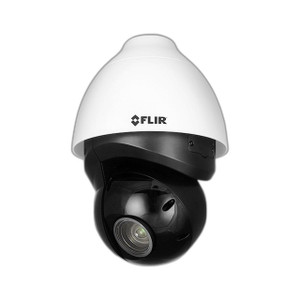
ACTi PPOE-0104 60W High PoE Injector Single Port
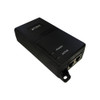
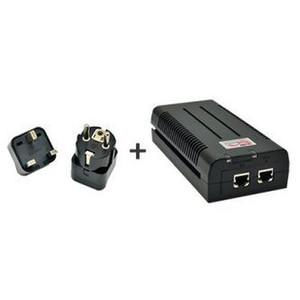
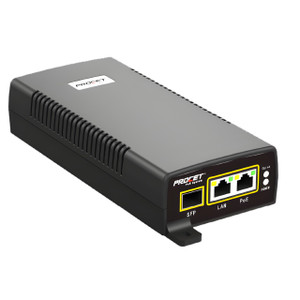
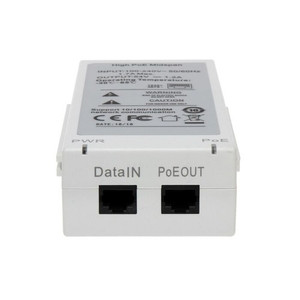
The ACTi PPOE-0104 is a single-port, mid-span PoE injector designed to deliver 60W of power over standard Ethernet to IP cameras and network devices where centralized PoE infrastructure is unavailable, exhausted, or unreachable. Deploy this unit when your network switch lacks PoE capacity, when a camera location exceeds switch PoE range, or when extending an existing non-PoE line without replacing infrastructure. The PPOE-0104 combines power and data on a single gigabit Ethernet connection—no separate power cable at the camera end. This eliminates installation complexity, reduces conduit congestion, and simplifies maintenance in distributed surveillance deployments.
Key Features
- 60W Power Output: 802.3af-compatible delivery up to 60W per port. Covers standard IP cameras, low-draw encoders, and compact PTZ heads without requiring PoE+ or auxiliary power.
- Gigabit Ethernet Passthrough: 10/100/1000Mbps support maintains full bandwidth for modern high-bitrate camera streams while injecting power on the same cable.
- Single-Port Injector: Compact architecture for point-to-point power delivery. Ideal for remote camera branches, rooftop extensions, and isolated coverage zones.
- Rack-Mount Form Factor: 19-inch rack installation integrates into standard network closet infrastructure. Can also be shelf-mounted near the PoE source for flexibility.
- 802.3af Standard Compliance: Works with any IP camera or PoE-capable device from ACTi, Axis, Hikvision, Dahua, Uniview, and other standards-compliant manufacturers. No proprietary protocol or configuration required.
- Mid-Span Deployment: Install anywhere between your power source (PoE switch, power injector, or PSU) and the end device. Supports extended cable runs and multi-building layouts without infrastructure replacement.
- 3-Year Warranty: Factory-backed coverage ensures reliability in 24/7 surveillance environments.
The PPOE-0104 solves the capacity-planning bottleneck in modular surveillance rollouts. Instead of rearchitecting your switch or running separate power conduits, you inject 60W at the last network segment. This is especially valuable in campus environments, industrial sites with distributed monitoring, and retrofit projects where rekeying the main switch introduces risk and downtime.
Gigabit Ethernet on both input and output ensures no bandwidth penalty. Cat5e or better cabling (both sides) carries the injected power safely; standard network cable runs work without modification. The 60W ceiling accommodates most fixed-mount surveillance cameras. For multi-port deployments, stack multiple PPOE-0104 units or consolidate at your switch with a PoE+ upgrade—the injector is the pragmatic middle ground for selective extension.
Backwards compatibility with 10Mbps and 100Mbps legacy devices means you can inject power into aging PTZ systems or older camera models without performance degradation. The device is agnostic to the source: pair it with a PoE-enabled switch, a standalone power source, or an existing PoE injector. This flexibility makes the PPOE-0104 a go-to spare for emergency camera additions and planned expansions alike.
The ACTi PPOE-0104 carries a 3-Year Manufacturer Warranty and operates within standard office/light-industrial temperature ranges. For centralized PoE management, integrate with any ONVIF-compliant VMS (Genetec, Milestone, Avigilon, ExacqVision); the injector itself does not manage VMS traffic—it is a passive power/data pass-through. Sourced direct from the manufacturer or authorized US distributor, ensuring factory-new condition and genuine ACTi components.
Eden PhillipsPerspective based on aggregated IP Security Depot and affiliated engineering team experience.
We've deployed the ACTi PPOE-0104 across dozens of multi-building campuses and retrofit surveillance projects where switch PoE capacity is the limiting factor. The injector sits at the intersection of cost discipline and operational simplicity—you avoid the capital outlay of a new managed switch and the logistics headache of new power infrastructure. In our experience, a single 60W port handles 90% of fixed-dome and compact turret cameras; the remaining 10% require PoE+ or dual injectors, which is rare. The rack-mount design keeps it tidy in network closets, and gigabit passthrough means zero bandwidth compromise—a critical detail when you're backhaul-limited anyway. The 802.3af standard compliance is the real win: any IP camera from any vendor works without firmware tweaks or special configuration. We've also seen it paired with legacy non-PoE switches using a passive PoE injector on the source side, creating a hybrid upgrade path that spreads capital across budget cycles.
Technical Highlights:
- 60W Output at 802.3af: Exceeds standard 802.3af 15W by 4× — covers power-hungry low-light domes, compact IR illuminators, and encoders with integrated heaters. Standard 802.3af devices draw 5–13W; the 60W ceiling gives you 4–5 margins of safety.
- Gigabit Ethernet Pass-Through: 10/100/1000Mbps on both ports means zero bandwidth loss on the powered link. High-bitrate H.265 streams (4–8 Mbps on 5MP+ cameras) run at full speed; latency and jitter remain unaffected by power injection.
- Single-Port Architecture: Lightweight, low-cost per injection point. Deploy multiple units at ~$100–150 each rather than replacing a $3k–5k managed switch for a single additional PoE port.
- Mid-Span Flexibility: Place it anywhere in the power chain—between switch and camera, between a PoE supply and a splitter, or as an extender on existing non-PoE cable runs. No special sequencing or power-up order required.
- Standards-Certified 802.3af: Interoperates with all PoE-compliant endpoints. No vendor lock-in, no firmware dependency, no proprietary handshake. Swap it with any other 60W 802.3af injector on the market with zero integration risk.
- Passive Design: No SNMP, no web UI, no management port. It injects power and passes data—that's it. Reduces complexity and eliminates a potential security surface on your OT network.
Deployment Considerations:
- Confirm AC power availability at the rack or shelf location. The PPOE-0104 itself requires wall power (AC input not detailed in public specs—verify with the datasheet or contact the vendor). Dedicated circuit recommended for 24/7 operation.
- Use Cat5e or Cat6 cable on both input and output sides. Cheap Cat3 or damaged Cat5 will degrade gigabit speed and introduce PoE voltage drop; budget for quality cable if extending beyond 100 meters.
- For cameras >60W (rare but possible with external IR floods or dual heaters), deploy a second injector or upgrade the switch to PoE+ (802.3at 90W). Stack injectors on the same port if power budgeting allows—the injector is current-limited and will shut down gracefully on overload.
- In high-noise RF environments or next to heavy motor drives, consider shielded cable and ferrite clamps on both sides of the injector. PoE injection can couple high-frequency noise onto unshielded runs.
- If upgrading from this injector to a PoE+ switch in the future, the PPOE-0104 can be repurposed as a secondary/tertiary power source for new camera zones—no e-waste, extends the asset lifecycle.
The PPOE-0104 is the right fit for integrators managing heterogeneous networks, campuses with distributed switch infrastructure, and installers who need selective power extension without wholesale network redesign. It's not a replacement for a proper PoE-enabled switch in greenfield builds, but it's indispensable in retrofit work and capacity-constrained environments. For more options in single- and multi-port PoE injection, explore the ACTi catalog.