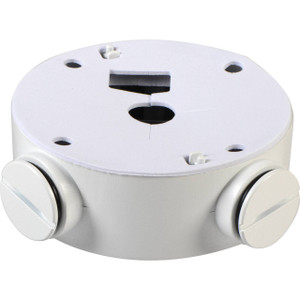
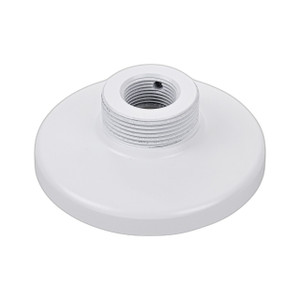
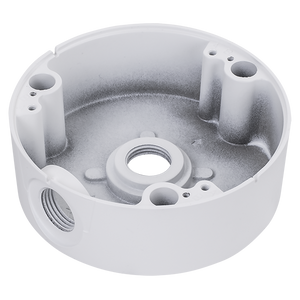
What's the difference between a conduit box and a junction box?
A conduit box (base) is mounted to structure (pole, wall) and provides cable entry sealing and routing consolidation at a single point; a junction box is typically inline on a cable run for mid-span splicing or branching. Conduit bases are larger, support heavier component weight, and handle primary power entry; junction boxes are lighter and serve secondary breakout roles.
How do I calculate the correct box size for my installation?
Sum the cross-sectional area (in square inches) of all cables entering/exiting the box. Divide by 0.40 to find minimum internal volume in cubic inches. For example, six #12 AWG cables (0.013 sq in each) = 0.078 total; minimum box = 0.078 ÷ 0.40 = 0.195 cu in. Always round up and add 20% for termination workspace. NEC Article 314 sets this standard.
Can I use an indoor NEMA 1 box outdoors with a cover plate?
No. NEMA 1 boxes lack drain holes, gaskets, and corrosion-resistant materials. Water pools inside, causing rapid internal rusting and connection corrosion. Always use NEMA 3R minimum for outdoor exposure, or NEMA 4X for coastal/wet climates. A cover plate does not substitute for proper rating.
What mounting hardware comes with conduit bases?
Most bases include mounting feet or flanges with lag bolts for wood or concrete; some require anchor bolts (sold separately). Verify bolt size (½″, ¾″), spacing, and load rating against your structure and component weight before installation. Undersized anchors allow vibration and connector stress, especially in windy rooftop locations.
How do conduit covers prevent water ingress?
Covers seal unused knockout holes and open conduit ends, preventing rain and debris from entering the enclosure. Over time, standing water inside a box creates corrosion and shorts. Conduit covers with drain-back design allow condensation to weep out while blocking rain splash-in during wind-driven precipitation.
Do I need separate grounding lugs if my conduit is bonded?
Yes. Even if conduit is bonded, metal boxes require separate equipment-grounding conductors terminating to a grounding lug per NEC Article 250. A bonded conduit shields AC noise but does not guarantee DC equipment ground continuity if the conduit fitting is corroded. Dedicated ground conductors and lugs ensure low-impedance return paths for fault current and surge suppression.