
Showing Results for Camera Casings & Covers
-
Save $5.65

Hanwha COVER-OPTICAL-3.5INCH Fulan
N enclosure / housing component designed for field service replacement and new installations requiring an exact OEM-fit component
Usually Ships in 2-3 Weeks Free shipping over $499$15.64 $9.99 Save $5.65 -
Save $13.56

Hanwha COVER-OPTICAL_3INCH_HC;Fran
Factory-spec optical cover (bubble) designed as a direct replacement for select 3-inch Hanwha cameras in the HC family
Usually Ships in 2-3 Weeks Free shipping over $499$38.55 $24.99 Save $13.56 -
Save $20.65

Hanwha Cover-optical_hc;Dome-indoor-ptz
PTZ network camera designed for large outdoor coverage zones — parking lots, transit hubs, and city surveillance where operators need wide-area
Usually Ships in 2-3 Weeks Free shipping over $499$56.64 $35.99 Save $20.65 -
Save $11.10

Hanwha COVER-OPTICAL_XNP6120
N enclosure / housing component designed for field service replacement and new installations requiring an exact OEM-fit component
Usually Ships in 2-3 Weeks Free shipping over $499$29.09 $17.99 Save $11.10 -
Save $8.28
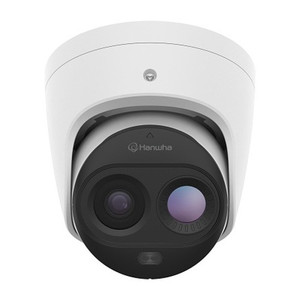
Hanwha Dome Cover - FC15-006227A
When a dome bubble takes impact damage or UV degradation compromises optical clarity, you need a direct replacement that restores protection without
- OEM dome cover replacement for Hanwha Wisenet IP cameras
- Maintains factory weatherproofing when properly installed
- Optical-grade material preserves image clarity
Usually Ships in 2-3 Weeks Free shipping over $499$23.27 $14.99 Save $8.28 -
Save $11.32

Hanwha FC15-002626A Optical Cover for SNP6320
Optical cover for SNP6320 with lens protection and weatherproofing
- Precision-engineered optical glass shields lens from dust, debris, and precipitation
- Official Hanwha OEM component for exact fit and optical compatibility
- Purpose-built for outdoor and harsh-environment surveillance installations
Usually Ships in 2-3 Weeks Free shipping over $499$41.31 $29.99 Save $11.32 -
Save $12.03

Hanwha FC15-007679A Dome Camera Cover - 46MM Nylon
Essential protection for 46mm dome camera installations, safeguarding optics and sensors in demanding surveillance environments
- 46mm nylon dome cover replacement for Hanwha cameras
- Drop-in field service component for damaged dome restoration
- Preserves factory IP rating after install
Usually Ships in 2-3 Weeks Free shipping over $499$33.02 $20.99 Save $12.03 -
Save $18.01
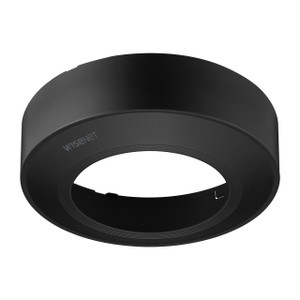
Hanwha SBC-160BF Black Skin Cover for XND Series Cameras
Black plastic skin cover for XND series cameras—swap without reconfiguring
- Fits XND-6081VZ, XND-8081VZ, XND-6081V, XND-6081RV, XND-8081RV models
- High-quality plastic resists rain, dust, and UV degradation outdoors
- 3-pack covers mounting hardware for clean, finished appearance
Usually Ships in 2-3 Weeks Free shipping over $499$52.00 $33.99 Save $18.01 -
Save $61.01

Hanwha SPF-BCB0 Clear Front Cover
Replacement or additional clear front cover designed for recessed and rack-mount camera installations
- Clear front cover for Hanwha recessed dome cameras
- Polycarbonate/acrylic material with full light transmission
- Drop-in field-replaceable for service workflows
Usually Ships in 2-3 Weeks Free shipping over $499$175.00 $113.99 Save $61.01 -
Save $59.01

Hanwha SPF-BDB0 Diffusion Front Cover
N optical accessory designed to eliminate glare and improve image uniformity in 1MP camera installations
- Diffusion front cover for Hanwha 1MP compact cameras
- Scatters incident light to eliminate glare artifacts
- Improves backlit and front-lit detail visibility
Usually Ships in 2-3 Weeks Free shipping over $499$170.00 $110.99 Save $59.01 -
Save $59.01

Hanwha SPF-BPB0 Polarized Front Cover
Polarized optical front cover designed to eliminate glare and reflections that degrade image quality in direct-sunlight or high-contrast outdoor
- Polarized front cover for Hanwha cameras
- Reduces glare from water, glass, and polished surfaces
- Drop-in cover improves contrast in backlit outdoor scenes
Usually Ships in 2-3 Weeks Free shipping over $499$170.00 $110.99 Save $59.01 -
Save $91.01

Hanwha TRTN-CAGE Protective Sensor Cage
Tamper-proof steel cage for Hanwha Triton vape and safety sensors
- Steel construction shields Ultra sensors from unauthorized access and damage
- Compatible with PoE+ powered Triton sensor models TRTN-PR001, TRTN-UA001, TRTN-VD001
- Lightweight 0.52 lb design maintains full sensor functionality while preventing removal
Usually Ships in 2-3 Weeks Free shipping over $499$260.00 $168.99 Save $91.01 -
Save $61.83
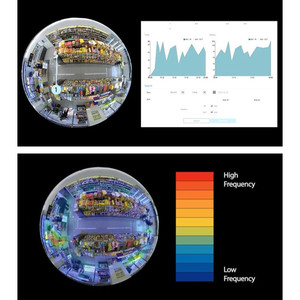
Hanwha Window-quad CAM_PNM-9320VP
Factory-spec window assembly for the PNM-9320VP multi-directional quad camera
Usually Ships in 2-3 Weeks Free shipping over $499$174.82 $112.99 Save $61.83 -
Save $0.01
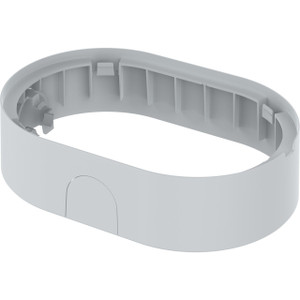
Axis TQ4901 Cover Sleeve - 02751-001
Protective mounting sleeve for Q9307-LV dome camera installation
- Fits Axis Q9307-LV dome camera with TP4601-E conduit back box
- High-quality composite material rated IP66/IP67 for indoor and outdoor
- Quick installation with integrated cable management and alignment
Usually Ships in 2-3 Weeks Free shipping over $499$41.00 $40.99 Save $0.01