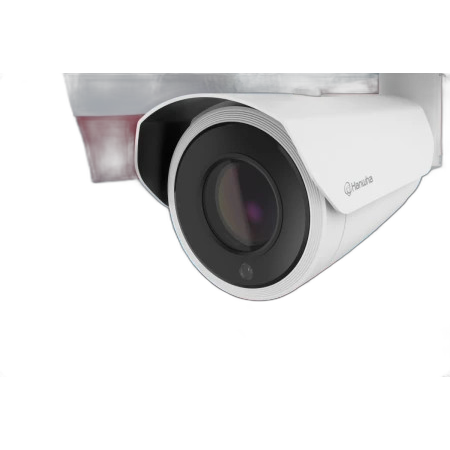
Hanwha TNO-6071E2WF-C Explosion-Proof Fixed Camera
Overview
The Hanwha TNO-6071E2WF-C is a fixed explosion-proof camera engineered for Class 1 Division 1 hazardous environments — the classification that covers locations where flammable gases, vapors, or liquids are present under normal operating conditions. This is not a general-purpose ruggedized camera dressed up in a housing; it carries cLCus and cLC CSA certifications that require independent laboratory verification of the entire unit for ignition containment. If your deployment site is an oil and gas platform, chemical processing plant, petrochemical refinery, grain elevator, or paint spray facility, the TNO-6071E2WF-C is purpose-built for the threat model you're working under.
The camera ships with single-mode fiber connectivity and an integrated wiper — two specifications that immediately signal the intended environment: remote, electrically noisy locations where copper runs are impractical and lens contamination from mist, dust, or particulate is an ongoing operational reality. Pair it with Hanwha's IP camera lineup for a cohesive hazardous-area surveillance solution, or integrate it into an existing network video recorder infrastructure already managing your non-hazardous zones.
Key Features
- cLCus C1/D1 and cLC CSA Certification: These marks confirm the camera has passed third-party testing for use in Class 1, Division 1 areas — where ignitable concentrations of flammable material exist continuously or periodically under normal conditions. Without this specific rating, a camera cannot legally be installed in a C1/D1 zone regardless of how ruggedized it appears. This is the specification that qualifies or disqualifies the TNO-6071E2WF-C for your site permit requirements.
- IP66/IP67/IP68 Triple-Rated Enclosure: IP66 blocks high-pressure water jets; IP67 covers temporary immersion to 1 meter; IP68 handles prolonged submersion beyond 1 meter at manufacturer-specified depth. Achieving all three simultaneously is unusual — it means the housing survives pressure washdowns, flooding events, and condensate accumulation without compromising the explosion-containment integrity. In a petrochemical plant where housekeeping involves steam cleaning, this matters in ways that a single IP66 rating does not.
- 2.8–9mm Varifocal Lens: The varifocal range lets you set the field of view at installation without swapping lenses — wider at 2.8mm for broad area coverage of a processing floor, or tighter at 9mm to focus on a specific valve station or entry point. In a hazardous-area installation where access to the camera post-commissioning is restricted by safety protocol, getting the FOV right at setup is operationally critical.
- Single-Mode Fiber Connectivity: Single-mode fiber eliminates the copper-run constraints that make long-distance or electrically noisy deployments problematic. In environments with heavy variable-frequency drives, large motors, or welding equipment — all common in industrial facilities — fiber is immune to the EMI that degrades copper-based video signals. It also allows runs well beyond the 100-meter Ethernet limit without repeaters, which matters when cameras are positioned at remote processing units far from the control room.
- Integrated Wiper: A camera mounted in a location where mist, condensate, chemical vapor, or particulate accumulates on the lens dome needs a mechanism to maintain image clarity without requiring manual intervention. The integrated wiper addresses this directly — scheduled or triggered cleaning keeps the optical path clear in environments where a smeared lens could mean a missed safety incident or an undetected intrusion.
- 110VAC Power: The camera runs on 110VAC rather than PoE, which is the correct choice for a C1/D1-rated device where the power delivery method must also be evaluated for ignition risk. Industrial facilities in these zones typically have established 110VAC infrastructure for instrumentation and control equipment, making integration into existing electrical panels straightforward without requiring PoE switch placement in or near the hazardous area.
- Operating Range -60°C to +40°C: The low end of -60°C covers outdoor installations in arctic climates or cold-storage processing environments that also handle flammable materials — a combination where most cameras fail before the explosion-proof certification even becomes relevant. The +40°C upper limit is worth noting: in high-temperature processing areas exceeding that threshold, additional thermal management or a different model specification review is required. Consult a hazardous-location camera selection guide before finalizing placement in heat-intensive zones.
- White Housing: The white exterior is standard for explosion-proof housings in petrochemical and food-grade environments — it simplifies visual inspection for contamination, damage, or tampering, and meets common facility aesthetic and maintenance standards.
Integration and Compatibility
The TNO-6071E2WF-C connects via single-mode fiber, so your network architecture needs a compatible media converter or fiber-capable switch at the receiving end. Plan for this in your infrastructure budget — the fiber run itself is cost-effective at scale, but the termination equipment at both ends needs to be specified correctly for the fiber type. The 110VAC power requirement means your electrical design keeps the power source outside the hazardous zone boundary, with conduit-rated cabling run into the classified area per applicable NEC or CEC articles for C1/D1 installations. For VMS integration, confirm ONVIF compatibility with your platform of choice prior to deployment; Hanwha cameras broadly support ONVIF Profile S, but verify against your specific VMS version for this model. For planning multi-camera deployments across both hazardous and standard zones, a managed PoE switch at the aggregation layer can handle the standard-zone feeds while the fiber segment bridges the hazardous area.
Frequently Asked Questions
Q: What hazardous area classification does the TNO-6071E2WF-C carry?
A: The TNO-6071E2WF-C is certified cLCus Class 1 Division 1 and cLC CSA — the ratings required for locations where flammable gases, vapors, or liquids are present under normal operating conditions. These are independently verified certifications, not self-declarations.
Q: Can the TNO-6071E2WF-C be used outdoors in extreme cold climates?
A: Yes. The operating temperature range is -60°C to +40°C, which covers the most severe arctic outdoor installations. The lower limit of -60°C is well beyond what most industrial cameras support, making this suitable for cold-climate oil and gas or petrochemical sites.
Q: Why does this camera use 110VAC instead of PoE?
A: In Class 1 Division 1 environments, the power delivery method must be evaluated alongside the camera for ignition risk. 110VAC with appropriate conduit and fittings is the conventional power approach for instrumentation in these zones. PoE is not the standard delivery method for C1/D1-rated devices.
Q: What is the significance of the triple IP66/IP67/IP68 rating?
A: IP66 covers high-pressure water jet resistance, IP67 covers temporary immersion to 1 meter, and IP68 covers prolonged deeper submersion. Carrying all three simultaneously means the enclosure handles pressure washdowns, flooding, and condensate accumulation — conditions that occur in chemical and petrochemical processing environments during normal and emergency operations.
Q: Why does the TNO-6071E2WF-C include an integrated wiper?
A: In environments with mist, chemical vapor, dust, or particulate — typical in petrochemical, grain, or paint facilities — lens contamination degrades image quality continuously. The integrated wiper maintains optical clarity without requiring personnel to enter the hazardous zone for manual cleaning.
Q: What fiber type does the TNO-6071E2WF-C require?
A: The camera uses single-mode fiber connectivity. Single-mode supports longer distances than multimode and is immune to EMI from industrial equipment, making it the appropriate choice for remote placement in electrically noisy processing facilities.
The specification that defines the TNO-6071E2WF-C's deployment scope is its cLCus Class 1 Division 1 certification — not the IP68 rating, not the -60°C cold-weather floor, not the fiber connectivity. C1/D1 is the classification that your facility safety officer, your AHJ, and your insurer will ask for first, and it's the one that requires independent lab verification of the complete assembled unit. Everything else about this camera is engineered to support that core certification.
Technical Highlights:
- Triple IP Rating (IP66/IP67/IP68): Simultaneous achievement of all three tiers is uncommon and directly relevant in C1/D1 sites that experience pressure washdowns (IP66), incidental flooding (IP67), and prolonged liquid exposure (IP68) — the housing maintains its explosion-containment integrity across all three conditions.
- Single-Mode Fiber with Wiper: The combination of fiber connectivity and an integrated wiper signals a camera designed for the reality of remote hazardous-area placement — long copper runs are off the table in high-EMI industrial environments, and manual lens maintenance is operationally restricted in classified zones.
- -60°C Operating Floor: This is a meaningful differentiator for arctic or cold-climate processing installations. Most industrial cameras are rated to -40°C; the additional 20-degree margin on the TNO-6071E2WF-C (often searched as TNO 6071E2WF C) opens deployment scenarios in northern Canada, Alaska, and Siberian-climate petrochemical sites where the alternative is a heated enclosure adding cost and maintenance complexity.
Deployment Considerations:
- 110VAC power requires your electrical design to route appropriately rated conduit and wiring into the classified area — coordinate with your electrical engineer early on conduit seal requirements per NEC Article 501 or CEC Section 18, as seal placement affects the cable routing plan significantly.
- The +40°C upper operating limit is the watch item: high-temperature process areas or enclosed equipment rooms without adequate cooling can exceed this threshold, which would require either additional thermal management or a model with a higher upper operating temperature.
The TNO-6071E2WF-C is the right specification for a permanent fixed surveillance point in an oil and gas upstream processing facility, a chemical plant with continuous flammable vapor presence, or a grain handling elevator — any site where the alternative to a properly rated camera is either a non-compliant installation or no coverage at all.