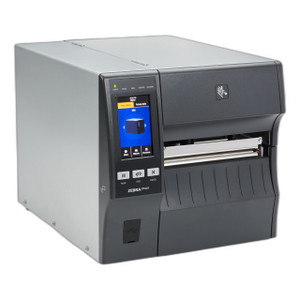
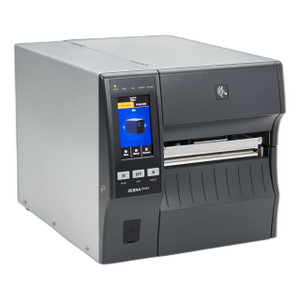
Zebra ZT42162-T410000Z 6" Thermal Label Printer
The Zebra ZT42162-T410000Z is a 6-inch thermal label printer engineered for warehouse, logistics, and supply chain operations requiring high-volume label production with flexible connectivity. This model combines proven Zebra thermal printing technology with dual-mode wireless and wired networking to support label-intensive workflows in dynamic fulfillment and inventory environments.
Overview
Designed for enterprise distribution centers and logistics operations, the ZT42162-T410000Z delivers 14 inches per second print speed at 203 dpi resolution, enabling rapid label output without sacrificing barcode quality. The 6-inch print width accommodates larger shipping labels, compliance labels, and multi-line variable data across different carrier standards. Integrated Ethernet and Bluetooth 4.1 connectivity with MFi certification ensure seamless integration with enterprise networks and mobile scanning devices. The printer includes peel-with-rewind functionality, allowing automatic label separation and media roll management essential for high-throughput sorting and shipping operations.
Key Features
- 6-Inch Print Width: Supports large-format labels for shipping, compliance, and multi-zone variable data printing — wider than 4-inch printers means fewer label rolls to manage and faster fulfillment of carrier-specific label requirements.
- 14 ips Print Speed: Rapid label throughput optimized for high-volume warehouse operations — at full speed, you'll produce approximately 8,400 labels per hour, reducing bottlenecks in order staging and outbound processing.
- 203 dpi Print Resolution: Standard thermal resolution delivers crisp barcodes and readable text for reliable scanning accuracy in variable-light warehouse environments without quality degradation.
- Ethernet Connectivity: Direct network integration for centralized label management and job queuing through WMS platforms and label servers — no USB tethering required, enabling multiple workstations to share a single printer.
- Bluetooth 4.1 with Apple MFi Certification: Secure wireless printing from iOS devices and third-party mobile workflow solutions, enabling remote label generation from handheld devices without physical connection — useful for pick-and-label and mobile checkout workflows.
- Peel-with-Rewind Mechanism: Automated label separation reduces manual handling and enables continuous production workflows — labels are peeled and backing roll is rewind automatically, minimizing downtime and labor overhead.
- 1D and 2D Barcode Support: Supports QR Code, Data Matrix, PDF417, Code 128, Code 39, UPC, and EAN symbologies — flexibility to print shipping labels, pallet IDs, product codes, and compliance barcodes on a single platform without reprinting.
- Thermal Printing Technology: No ink cartridges or ribbons required — eliminates consumable expenses and supply chain complexity over extended production cycles, lowering total cost of ownership in high-throughput environments.
Network and Mobility Integration
Ethernet connectivity provides direct integration with label servers, WMS platforms, and enterprise print management systems. Bluetooth 4.1 with Apple MFi certification supports printing from iOS devices and third-party mobile workflow solutions, enabling remote label generation from handheld devices without physical USB connection. Dual-mode connectivity allows the ZT42162-T410000Z to operate on corporate networks, mobile-only workflows, or hybrid configurations depending on operational requirements.
Warehouse and Logistics Deployment
The ZT42162-T410000Z is purpose-built for high-speed label environments including order fulfillment centers, cross-docks, receiving operations, and shipping departments. The peel-with-rewind feature eliminates manual label separation, reducing labor overhead and increasing throughput for teams processing hundreds of parcels per hour. The 6-inch format and 14 ips speed combination supports both large compliance labels and compact shipping labels, providing flexibility across different carrier and packaging standards. Thermal printing eliminates ink cartridges and ribbon costs, reducing consumable expenses over extended production cycles.
Frequently Asked Questions
Q: What media types does the ZT42162-T410000Z support?
A: The printer is designed for thermal label stock including coated, uncoated, and polypropylene labels. Verify specific media compatibility with your label supplier's specifications for optimal print quality.
Q: Can the ZT42162-T410000Z print variable data from a database or WMS?
A: Yes. Ethernet connectivity allows integration with WMS platforms and label design software that support Zebra printer drivers and ZPL/EPL command sets for dynamic variable data printing.
Q: Does the printer support USB connectivity in addition to Ethernet and Bluetooth?
A: The primary connectivity options are Ethernet and Bluetooth 4.1 with MFi certification. Consult the datasheet or manufacturer documentation for information on optional USB capability.
Q: What is the maximum label length the ZT42162-T410000Z can print?
A: Label length depends on media roll diameter and configuration. Standard configurations support labels up to 15 inches in length; consult the datasheet for maximum media specifications.
Q: Is the ZT42162-T410000Z suitable for outdoor warehouse use?
A: The printer is designed for indoor warehouse environments with controlled temperature and humidity. For outdoor or harsh-environment deployments, consult the operating temperature range and environmental ratings in the datasheet.
Q: What barcode symbologies are supported for compliance labeling?
A: The ZT42162-T410000Z supports Code 128, Code 39, UPC, EAN, QR Code, Data Matrix, and PDF417 — sufficient for most carrier compliance, product coding, and supply chain tracking requirements.
Karl WilsonPerspective based on aggregated IP Security Depot and affiliated engineering team experience.
The ZT42162-T410000Z is the right fit if you're running a moderate- to high-volume warehouse or fulfillment center where label throughput matters. The 14 ips print speed and 6-inch format are the key differentiators here—you're not just printing faster, you're printing wider labels without slowing down, which matters when you're staging hundreds of parcels per hour.
Technical Highlights:
- 14 ips at 203 dpi: You get approximately 8,400 labels per hour at full speed while maintaining barcode readability in warehouse lighting conditions. This eliminates the typical speed-versus-quality tradeoff that plagues slower thermal printers.
- Peel-with-rewind mechanism: Automatic label separation and backing roll rewind means no operator intervention between batches. In high-throughput environments, this translates to measurable labor savings—you're eliminating manual peeling steps that add up across dozens of shipments.
- Dual-mode connectivity (Ethernet + Bluetooth 4.1 MFi): You can anchor the printer to your WMS via Ethernet for label queuing while simultaneously supporting mobile workflows via Bluetooth—no need to choose one or the other, and MFi certification means iOS integration is certified and secure.
Deployment Considerations:
- The 6-inch width is valuable if you're printing carrier-specific compliance labels (FedEx, UPS, USPS), but if your labels are predominantly 4 inches or narrower, a compact 4-inch thermal printer may waste less media and floor space.
- Thermal printing requires thermal label stock—you cannot use standard inkjet or laser label rolls. Verify your label supplier has consistent thermal-grade media in your size, or you'll face quality and jam issues.
- Network integration assumes your WMS or label software supports Zebra ZPL/EPL command sets. If you're using a third-party labeling application that doesn't have native Zebra drivers, you'll need additional software layers to bridge the gap.
Position the ZT42162-T410000Z in parcel shipping, cross-dock, or distribution center environments where you're printing 5,000+ labels per shift and label width matters. It's overkill for low-volume back-office label printing, and it's not the choice if you need mobile-first printing with no network infrastructure—but in a networked warehouse with moderate to high throughput, this printer earns its footprint.