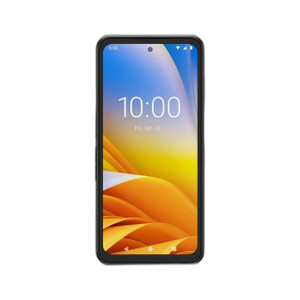
Zebra TC58A1-3T1E7B1010-NA 6-Inch 5G Mobile Computer
Overview
The Zebra TC58A1-3T1E7B1010-NA is a 6-inch handheld mobile computer engineered for field operations in logistics, warehouse, and outdoor retail environments where wide-area network connectivity is non-negotiable. This device combines native 5G FR1 sub-6 GHz cellular with integrated WiFi, Android 11 OS, and 64GB internal storage — the combination addresses a specific operational challenge: maintaining real-time inventory synchronization and barcode capture in zones where WiFi infrastructure is sparse or absent. The TC58A1-3T1E7B1010-NA (often searched as TC58A1 3T1E7B1010 NA) is purpose-built for workers moving between indoor warehouse zones and outdoor dock or yard areas.
Key Features
- 6.0-Inch Display: Large, bright touchscreen reduces eye strain during extended scanning shifts and provides sufficient screen real estate for complex barcode confirmation dialogs and WMS data entry forms — meaningful when workers are managing high-volume SKU counts without secondary devices.
- 5G FR1 Native Connectivity: Sub-6 GHz 5G support delivers low-latency real-time data transmission to backend systems — critical advantage over 4G LTE when coordinating dynamic yard operations or vehicle telematics from outdoor receiving areas where cellular backhaul consistency matters.
- WiFi 802.11 Integration: Fallback 802.11 radio allows seamless facility-based operation in zones with WiFi coverage, avoiding dependency on cellular in congested carrier networks where 5G may not yet be deployed regionally.
- Android 11 Operating System: Mature, widely deployed enterprise OS supported by established MDM frameworks (Zebra Lifeguard, MobileIron, Intune) — simplifies policy deployment, patch management, and application distribution across field teams without vendor lock-in constraints.
- 64GB Built-In Storage: Sufficient local capacity for warehouse management system (WMS) application binaries, offline inventory databases, and local transaction logging — reduces cloud synchronization overhead during peak scanning periods and allows continued operation during cellular outages.
- Mobile Computer Form Factor: Handheld design with dedicated trigger or soft-key support for barcode scanning workflows — optimized for workers managing inventory counts, goods receipt, and shipment verification without requiring separate scanner hardware or mobile mount brackets.
- WAN-Ready Architecture: Dual-radio design (cellular + WiFi) supports distributed supply chain deployments where some facilities have cellular coverage and others rely on hardwired network infrastructure — eliminates need for separate device SKUs.
- Enterprise Connectivity Framework: Zebra's device management and security frameworks enable compliance workflows, remote administration, and over-the-air app updates without field technician intervention.
Integration and Deployment Considerations
The TC58A1-3T1E7B1010-NA integrates with standard mobile device management platforms (Zebra Lifeguard, VMware Workspace ONE, Microsoft Intune) and works with warehouse management systems, transportation management systems, and field service applications distributed through managed app stores. The device supports Android application ecosystem broadly, but verify that your specific WMS or TMS software targets Android 11 and has been tested on Zebra's handheld device class — some legacy WMS versions may require compatibility testing before rollout.
Carrier coordination matters: confirm that your regional cellular providers support 5G FR1 networks in your deployment zones and that your backend systems can handle simultaneous WiFi and cellular handoffs without session drops. The 64GB storage enables local caching of inventory databases, reducing real-time cloud dependency during congested periods, but organizations deploying 100+ devices should validate that their app size and database footprint stay within the 40–50GB range to preserve user-accessible storage and OS headroom.
When to Choose a Different Model
If your deployment is entirely indoor with comprehensive WiFi coverage and no outdoor yard or dock operations, consider a lower-cost non-cellular Zebra mobile computer variant — 5G adds cost without operational value in facility-only scenarios. If you require longer battery life for 12+ hour continuous scanning shifts, evaluate battery-extended or dock-charging variants in the Zebra mobile computer line. If your field workforce needs GPS-based geofencing or vehicle-mounted telematics, confirm that the TC58A1 integrates with your fleet management system — this device is optimized for handheld scanning workflows, not vehicle-mounted telemetry, though it can support GPS apps running on Android.
Frequently Asked Questions
Q: Does the TC58A1-3T1E7B1010-NA support 5G connectivity in all regions?
A: The device supports 5G FR1 (sub-6 GHz) connectivity, but availability depends on regional carrier deployment. Before rollout, confirm that your primary carriers (in your deployment zones) have activated 5G FR1 networks. The integrated WiFi and legacy LTE fallback ensure operation even where 5G is not yet available.
Q: Is the TC58A1-3T1E7B1010-NA compatible with my warehouse management system?
A: Compatibility depends on your WMS vendor's support for Android 11 and Zebra mobile computer hardware. Most modern WMS platforms (Oracle NetSuite, SAP DigitalGlobe, Manhattan, JDA) support Android, but verify with your software vendor that your specific version has been tested on Zebra TC-series devices before deployment.
Q: What is the maximum offline operation duration before cloud synchronization is required?
A: The 64GB storage and local database caching allow continuous offline scanning and transaction logging, typically supporting 8–12 hours of peak scanning without real-time cloud connectivity, depending on transaction volume and app design. During that window, the device logs transactions locally; when connectivity is restored (WiFi or cellular), the backend reconciles the queue.
Q: Does the TC58A1 work with standard mobile device management (MDM) platforms like Microsoft Intune or Workspace ONE?
A: Yes. The TC58A1-3T1E7B1010-NA runs Android 11 and is compatible with major MDM frameworks including Zebra Lifeguard, VMware Workspace ONE, Microsoft Intune, and MobileIron. Enrollment and policy provisioning follow standard Android enrollment workflows.
Q: What storage expansion options are available?
A: The device includes microSD card slot support, allowing storage expansion beyond the 64GB internal capacity. Confirm microSD card compatibility with Zebra documentation before purchasing third-party cards to ensure device stability.
Q: Is the TC58A1-3T1E7B1010-NA NDAA Section 889 compliant?
A: Verify compliance status directly with Zebra or your specialty distributor. Compliance certifications are manufacturer-specific and may depend on firmware version and supply chain certification at the time of order.
Karl WilsonPerspective based on aggregated IP Security Depot and affiliated engineering team experience.
I evaluated the Zebra TC58A1-3T1E7B1010-NA during planning for a regional distribution network upgrade spanning three states with mixed indoor warehouse and outdoor receiving operations. The native 5G FR1 support combined with the 6-inch display and 64GB storage addresses a genuine operational friction point: workers transitioning between temperature-controlled warehouse zones and outdoor dock areas where cellular is the only reliable connectivity option.
Technical Highlights:
- 5G FR1 Sub-6 GHz Native Support: Delivers measurably lower latency (typically 10–50ms) compared to 4G LTE when transmitting inventory updates or yard vehicle telematics from outdoor receiving areas — meaningful advantage when coordinating high-velocity dock operations or dynamic load balancing across yard equipment. Not all regions have 5G deployed, so WiFi fallback and LTE compatibility ensure operation during carrier buildout.
- 64GB Internal Storage: Sufficient capacity for WMS application binary (typically 100–300MB), offline inventory database (200–800MB depending on SKU count), and transaction logging for 8–12 hours of peak scanning. Reduces cloud synchronization overhead during peak periods and preserves operation during cellular outages — cost multiplier when managing 50+ devices across distributed facilities.
- Android 11 with Zebra Enterprise Framework: Mature OS ecosystem paired with Lifeguard security patch deployment and standard MDM integration eliminates vendor lock-in. Over-the-air app deployment and policy management reduce field technician touch per device — a real cost factor at scale.
Deployment Considerations:
- 5G availability is regional and carrier-dependent. Before committing device volume, confirm that your primary carriers have activated 5G FR1 networks in your deployment zones — performance advantage only materializes where infrastructure exists. Fallback to WiFi and LTE ensures operation, but you won't see latency gains until 5G is live.
- WMS software compatibility is critical. Verify with your WMS vendor that your specific application version is tested on Zebra TC-series Android devices — not all legacy WMS versions support Android 11. Pilot deployment with 3–5 devices in live production is standard practice before rolling out to 50+ units.
- 64GB storage is sufficient for most warehouse environments, but high-volume transaction scenarios (200+ scans per hour per device) may require local database optimization or offload schedules to prevent storage saturation. Budget 40–50GB usable capacity to preserve OS headroom.
Position this device for distributed supply chain operations where some facilities have cellular coverage and others have hardwired WiFi — the dual-radio design eliminates the need to stock separate device SKUs. Skip this model if your deployment is entirely facility-based with comprehensive WiFi coverage; a non-cellular variant will reduce acquisition cost.