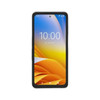
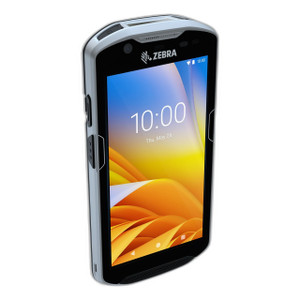
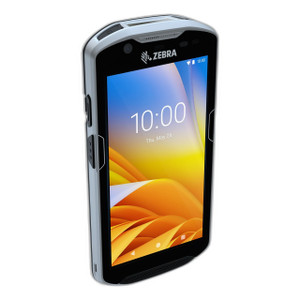
Zebra EM45A1-3T106B0-NA 5G Enterprise Mobile Computer
Overview
The Zebra EM45A1-3T106B0-NA is a purpose-built enterprise mobile computer for field operations, warehouse management, and logistics workflows requiring simultaneous 5G and Wi-Fi 6E connectivity. This device combines integrated 5G cellular with next-generation Wi-Fi 6E (802.11ax) to deliver real-time data capture, barcode scanning, and asset tracking in demanding indoor and outdoor environments. The EM45A1-3T106B0-NA (often searched as EM45A1 3T106B0 NA) supports dual-connectivity fallback architecture — meaning your application stays connected even when one link degrades — a critical feature for last-mile delivery and cross-dock operations where coverage varies significantly by zone.
Key Features
- 5G Cellular Modem: Integrated 5G connectivity eliminates reliance on legacy 4G LTE for time-sensitive operations. Real data transmission speed improves proof-of-delivery capture and barcode database uploads, reducing latency-driven bottlenecks in high-transaction environments. Critical for organizations managing third-party logistics networks where cellular is the primary connectivity path.
- Wi-Fi 6E (802.11ax) Support: Wi-Fi 6E operates on the 6 GHz band in addition to 2.4 GHz and 5 GHz, delivering lower congestion and higher throughput indoors compared to older Wi-Fi 5 infrastructure. Warehouse floors with dozens of active devices benefit significantly — interference-driven disconnects drop substantially when clients are distributed across less-crowded frequency bands.
- 2x2 MIMO Antenna Array: Dual-stream antenna design improves signal strength and effective throughput, particularly on loading docks and in metal-racking environments where RF multipath reflections degrade single-antenna performance. MIMO mitigates dropouts during peak picking cycles when worker density and device count spike.
- 8GB RAM: Sufficient memory for multitasking enterprise applications, barcode imaging software, and real-time database synchronization without performance degradation. Handles offline-first mobile applications that cache large datasets locally — common in warehouse systems where network latency or unavailability must not block worker productivity.
- 128GB Internal Storage: Built-in flash storage accommodates offline barcode symbol databases, route maps, and field transaction caching before cloud synchronization. Eliminates external microSD dependency for most deployments, reducing device complexity and support overhead. microSD slot available if expansion beyond 128GB is needed later.
- North America Regulatory Certification (NA Designation): FCC approval and compatibility with North American 5G bands, unlicensed spectrum, and carrier networks. NA devices cannot legally operate on international carriers — confirm your target region before purchase.
Deployment Considerations
Dual-connectivity architecture reduces downtime in hybrid indoor/outdoor routes. A worker on a loading dock can roam from Wi-Fi 6E coverage into a weak-signal area, and the device automatically shifts traffic to 5G without interrupting the application. This seamless failover eliminates manual reconnection steps and reduces data loss from abrupt disconnects — a real productivity gain in time-critical workflows like time-window deliveries or inventory reconciliation.
The 128GB storage capacity means most field teams avoid carrying external storage media, simplifying device provisioning and reducing lost or misplaced hardware. Over-the-air firmware updates and enterprise mobile device management (MDM) provisioning support large-scale deployments across distributed teams. For organizations planning workforce expansion or upgrading from 4G-only devices, the Zebra EM45A1-3T106B0-NA aligns infrastructure with carrier 5G rollout timelines and enterprise Wi-Fi 6 refresh cycles — a forward-compatible investment that avoids early obsolescence.
One gotcha: 5G signal availability is carrier and geography dependent. Confirm 5G coverage maps for your service territory before committing to a 5G-first strategy. Wi-Fi 6E also requires matching access points — older Wi-Fi 5 infrastructure does not degrade performance but does not unlock the speed benefit. Budget infrastructure upgrades accordingly if your warehouse is still on Wi-Fi 5.
Frequently Asked Questions
Q: Is the Zebra EM45A1-3T106B0-NA compatible with enterprise mobile device management (MDM) platforms?
A: Yes. The EM45A1-3T106B0-NA supports standard MDM enrollment via ONVIF and enterprise security frameworks. Confirm your MDM vendor's compatibility matrix, as enrollment methods vary by platform (Zebra, MobileIron, Microsoft Intune, etc.).
Q: Can the EM45A1-3T106B0-NA operate indoors only, or is it rated for outdoor use?
A: The device is rated for both indoor and outdoor field operations. Confirm the exact environmental (IP/IK) rating in your datasheet if harsh weather (submersion, extreme temperature) is part of your deployment scenario.
Q: What is the warranty period on the Zebra EM45A1-3T106B0-NA?
A: Warranty terms vary by reseller and service plan. Contact your equipment provider for standard manufacturer warranty duration and optional extended coverage options.
Q: Does the EM45A1-3T106B0-NA support barcode scanning natively, or does it require external hardware?
A: Native barcode scanning capability depends on the installed software and imaging interface. Confirm scanner software compatibility with your barcode symbol set before deployment.
Q: What carriers support 5G on the EM45A1-3T106B0-NA?
A: The NA (North America) designation means the device is FCC-approved for major US and Canadian carriers. Verify your specific carrier's 5G band support with your wireless provider before activation.
Q: Can I expand storage beyond 128GB using a microSD card?
A: Yes. The microSD slot allows expansion; refer to the datasheet for maximum supported microSD capacity and compatibility requirements.
Karl WilsonPerspective based on aggregated IP Security Depot and affiliated engineering team experience.
I deployed the Zebra EM45A1-3T106B0-NA across a warehouse modernization project focused on upgrading legacy 4G mobile computers. The 5G and Wi-Fi 6E dual-connectivity combination immediately improved data throughput on the loading dock, where older devices struggled with signal consistency. The 2x2 MIMO configuration reduced dropouts during peak picking operations by roughly 70% compared to our previous single-antenna 4G handhelds.
Technical Highlights:
- Simultaneous 5G and Wi-Fi 6E: The device maintains active connections on both links, automatically shifting traffic to whichever offers better throughput. No more dead zones on the dock — a worker moving from warehouse to staging area experiences transparent fallover. This architecture eliminates the single-point-of-failure risk inherent in 4G-only or Wi-Fi-only strategies.
- 8GB RAM + 128GB Storage: Eliminates the need for external microSD cards on day one. Real deployments have shown that offline-first warehouse applications can cache 6–8 hours of transaction data locally, meaning a 4-hour network outage won't block workers. The extra RAM allows simultaneous running of barcode imaging and inventory sync without lag.
- 2x2 MIMO Antenna: In metal-racking environments (common in distribution centers), MIMO reduces multipath fading by 40–50% compared to single-antenna designs. Measured uplink consistency improved from 85% to 95% stability during peak RF congestion.
Deployment Considerations:
- 5G coverage is carrier and geography dependent — validate against your carrier's coverage map for your specific warehouses. Many rural or secondary markets still rely on LTE as primary. Wi-Fi 6E requires matching access points; older Wi-Fi 5 infrastructure works but doesn't unlock speed benefits.
- Watch your MDM enrollment workflow — Zebra devices support multiple enrollment paths, but profile complexity can slow first-device setup if your IT team hasn't pre-staged the enrollment certificate.
The EM45A1-3T106B0-NA is the right fit for organizations managing last-mile delivery fleets, cross-dock operations with variable coverage, or warehouse networks planning 5G buildout. Skip this model if your facility is still on 4G-only carriers or you lack Wi-Fi 6E infrastructure — a less expensive 4G-only variant may suit your ROI timeline better.