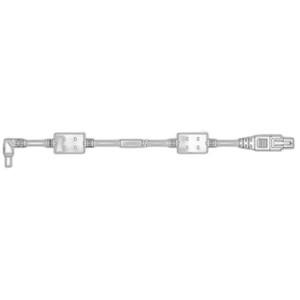
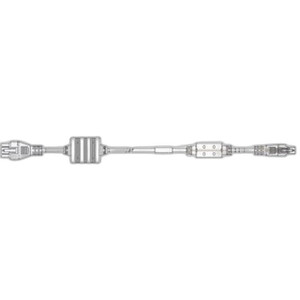
Zebra CBL-DC-393A1-02 DC Y Power Cable for MC17/MC18
Overview
The Zebra CBL-DC-393A1-02 is a DC Y-connector power cable purpose-built for Zebra MC17 and MC18 rugged mobile computers. This wired accessory is engineered for warehouse, logistics, and field service environments where consistent power connectivity is critical to mobile device uptime. The Y-connector design allows simultaneous power distribution to multiple devices or charging stations, reducing management overhead in multi-device deployments.
Key Features
- DC Y-Connector Design: Enables parallel power delivery — two or more devices can draw power simultaneously from a single source, eliminating the need for multiple individual cables and simplifying cable infrastructure in warehouses and mobile device charging stations.
- Native MC17 / MC18 Compatibility: Integrates directly with Zebra MC17 and MC18 mobile computers without adapters or third-party converters — critical when you need predictable power performance across your device fleet and cannot tolerate connector mismatches in the field.
- Reliable DC Power Distribution: Delivers consistent DC power for both active device operation and charging, ensuring no brownout or voltage drop issues during peak warehouse operations when multiple devices are in use simultaneously.
- Standard Infrastructure Integration: Works within existing Zebra mobile device power management systems and docking stations, so deployment does not require new power supply investments or reconfiguration of charging infrastructure.
- Field-Proven Durability: Designed for rugged environments typical of warehouse automation and logistics operations — tolerates frequent connection/disconnection cycles without signal degradation or connector wear.
Integration & Compatibility
The CBL-DC-393A1-02 (often searched as CBL DC 393A1 02) connects to Zebra mobile computers in the MC17 and MC18 product lines. Installation is straightforward: attach the connector to the device's power port and route the cable to your power distribution point. No firmware updates, driver installations, or configuration changes are required — the cable is immediately functional. For multi-device charging scenarios, the Y-connector allows you to manage power distribution with fewer trunk lines, reducing clutter and simplifying dock layout. If you are building out a large warehouse automation deployment with dozens of devices, confirm power budget and voltage availability at the distribution point to avoid overload conditions.
Frequently Asked Questions
Q: Is the CBL-DC-393A1-02 compatible with MC19 or newer Zebra mobile computers?
A: No. This cable is designed specifically for MC17 and MC18 models. Newer generations (MC19 and later) may use different power connectors; contact your system integrator or Zebra support to confirm the correct cable for your device model.
Q: Can I use the CBL-DC-393A1-02 with third-party charging docks?
A: Only if the dock supports the Zebra DC power connector standard used on MC17/MC18 devices. Many third-party docks use proprietary connectors. Verify connector compatibility before purchase to avoid mismatch.
Q: What is the typical lifespan of this power cable?
A: The CBL-DC-393A1-02 is built for high-cycle warehouse environments. Lifespan depends on connection frequency and environmental stress (moisture, temperature swings). In typical warehouse use, expect 2–3 years of reliable service. Check the connector for corrosion or wear if devices stop charging properly.
Q: Does the Y-connector design reduce power delivery to each connected device?
A: No, assuming your upstream power supply is rated for the combined load. The Y-connector itself does not step down voltage. However, if you connect two high-draw devices simultaneously through a single Y-cable to an undersized power supply, you may see charging slowdown. Size your power source accordingly.
Q: Is the CBL-DC-393A1-02 weather-sealed for outdoor use?
A: The cable is designed for warehouse and indoor logistics environments. It is not sealed for outdoor or wet-weather conditions. Use indoors or in covered areas only. For outdoor mobile device deployment, consult Zebra's weatherproofing and connector protection accessories.
Ted PerryPerspective based on aggregated IP Security Depot and affiliated engineering team experience.
The CBL-DC-393A1-02 is a straightforward but essential component in any MC17 or MC18 deployment. Its Y-connector topology is its defining strength — you can branch power to multiple devices from a single supply line, which simplifies both cable routing and dock layout in high-density mobile device environments. This matters more than it sounds in a 100+ device warehouse operation where cable clutter drives maintenance time and connector reliability issues.
Technical Highlights:
- DC Y-Connector Architecture: Splits one power source into two or more branches, reducing the number of trunk cables required in your charging infrastructure and lowering the risk of single-cable failure cascading across multiple devices.
- Native MC17/MC18 Connector Match: No adapters needed — the connector is mechanically and electrically native to these device models, eliminating contact resistance and intermittent connection failures that plague adapter-based solutions.
- Warehouse-Grade Build: Designed for frequent connect/disconnect cycles typical of dock operations; connector material and strain relief are engineered to handle repeated physical stress without degradation.
Deployment Considerations:
- Power budget is critical when using the Y-connector: two simultaneous high-draw devices (e.g., both charging and actively in use) can exceed a single standard supply's capacity. Verify your upstream supply amperage before deploying broadly.
- Connector wear is the failure mode to watch — if devices charge slowly or intermittently, inspect both the cable connector and the device port for corrosion, lint buildup, or pin misalignment. Clean contacts with isopropyl alcohol on a lint-free swab; replace the cable if pins are bent or visibly corroded.
Deploy the CBL-DC-393A1-02 in warehouse and logistics environments where you have 20+ MC17/MC18 devices in rotation and need to minimize dock infrastructure complexity. It is not appropriate for single-device chargers or outdoor/wet-environment setups; in those cases, you need different connectors and weatherproofing.