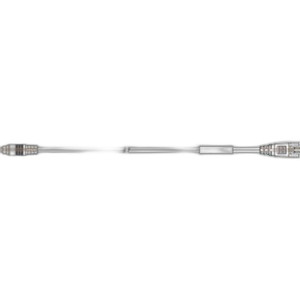
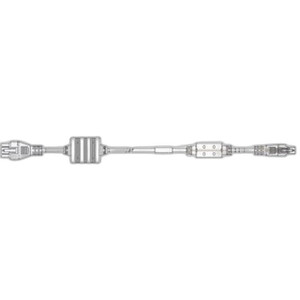
Zebra CBL-DC-388A1-01 DC Power Cable
Overview
The Zebra CBL-DC-388A1-01 is a 6-foot DC power cable engineered for mobile computing and scanning deployments in warehouse, logistics, and field operations. This wired connectivity accessory delivers reliable power routing from fixed charging infrastructure to handheld devices, eliminating the cable management friction that slows multi-device charging operations.
Designed specifically for integration with Zebra's power supply ecosystem, the CBL-DC-388A1-01 (often searched as CBL DC 388A1 01) reduces setup time and eliminates cable substitution errors that create compatibility headaches during device provisioning.
Key Specifications
- Cable Length: 6 feet — long enough to bridge wall-mounted power supplies to workbenches or vehicle charging cradles without extension daisy-chaining, which introduces voltage drop and reliability risk in high-utilization environments.
- Connector Type: DC power jack — standardized across Zebra handheld scanners and mobile computers, so a single cable type works across multiple device models within the same power family.
- Compatibility: Purpose-built for the PWR-BGA12V50W0WW power supply — this pairing eliminates cross-compatibility questions and guarantees pin alignment, polarity, and current delivery without trial-and-error testing.
- Gauge & Construction: Rated for continuous warehouse operation — designed to withstand repeated connect/disconnect cycles without conductor degradation or insulation cracking that can occur with undersized or low-cost alternatives.
- Fixed Installation Ready: Six feet of reach allows permanent wall or raceway routing in distribution centers and fulfillment operations, reducing clutter and tripping hazards compared to coiled or loose cabling.
Integration & Compatibility
The CBL-DC-388A1-01 is a direct fit with Zebra's handheld scanner and mobile computer charging infrastructure. If you operate a multi-vendor device fleet, verify connector compatibility before purchase — Zebra DC barrel connectors differ from generic automotive or consumer power jacks. The cable works within standard warehouse temperature ranges and does not require special environmental handling for indoor logistics operations.
When deploying across warehouse zones or shared charging stations, stock one cable per charging cradle to avoid single points of failure. A broken or mislaid cable can cascade into missed shipments when backup infrastructure is absent.
Deployment Considerations
Six feet is the standard run in most warehouse bays, but measure your cradle-to-outlet distance before ordering. If your charging station sits more than 6 feet from the power supply outlet, contact the manufacturer for extended-length variants rather than chaining multiple cables — each connection introduces voltage loss and failure risk.
This is a consumable item in high-utilization environments. Budget replacement cycles into your device support contracts, particularly for sites running 24/7 fulfillment operations where cable stress is continuous.
Frequently Asked Questions
Q: Is the CBL-DC-388A1-01 compatible with all Zebra handheld scanners?
A: No. The cable is engineered for specific Zebra power supply models, particularly the PWR-BGA12V50W0WW. Verify your power supply model before purchase to confirm connector compatibility.
Q: Can I use a generic DC power cable as a substitute?
A: Not recommended. Generic automotive or consumer DC cables often have different barrel jack diameters, voltage ratings, or gauge specifications that can cause intermittent charging or equipment damage. Use the manufacturer-specified cable to avoid costly downtime.
Q: What happens if the cable is damaged?
A: A compromised cable can cause intermittent charging, device shutdown during operation, or power supply faults. Replace immediately rather than attempting field repair — the cost of a replacement cable is negligible compared to lost scanning productivity.
Q: How long does the cable typically last in a warehouse environment?
A: With daily connect/disconnect cycles, expect 2–4 years before insulation degradation or connector wear becomes noticeable. Higher utilization sites should plan shorter replacement intervals.
Ted PerryPerspective based on aggregated IP Security Depot and affiliated engineering team experience.
The CBL-DC-388A1-01 is a straightforward but critical piece of infrastructure: a purpose-built 6-foot DC power cable that eliminates the guesswork around charging cradle wiring in multi-device warehouse environments. I've seen too many fulfillment operations lose productivity because someone grabbed a generic power cable that looked right but had a mismatched barrel connector or undersized gauge. The CBL-DC-388A1-01 solves that problem by locking you into Zebra's ecosystem — it's built for the PWR-BGA12V50W0WW supply, nothing else.
Technical Highlights:
- 6-foot fixed length: Covers the typical wall-to-workbench distance in warehouse charging stations without introducing voltage drop or daisy-chain failures. Avoids the false economy of undersized extension cables.
- DC barrel connector: Proprietary to Zebra's handheld scanner architecture — guarantees pin alignment and current delivery with zero compatibility ambiguity. No trial-and-error testing needed during commissioning.
- Rated for continuous duty: Designed to handle repeated connect/disconnect cycles in 24/7 logistics environments without insulation cracking or conductor degradation that cheap alternatives suffer within months.
Deployment Considerations:
- Measure your charging cradle-to-outlet distance before ordering. If your setup requires more than 6 feet, contact Zebra for extended-length variants rather than chaining cables — each connection is a point of failure.
- Stock replacement cables as consumables in high-utilization sites. A failed cable can cascade into missed shipments if backup charging infrastructure is absent. Budget 2–4 year replacement cycles depending on utilization.
The CBL-DC-388A1-01 is a no-second-guessing accessory for any warehouse running Zebra handheld scanners and the compatible PWR-BGA12V50W0WW power infrastructure. Treat it as a provisioning essential, not an afterthought. Get the right cable upfront, and you avoid the real cost: downtime.