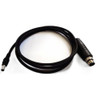
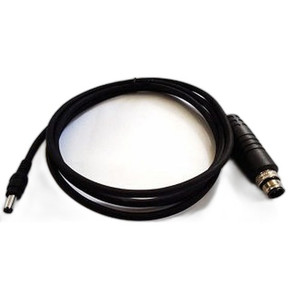
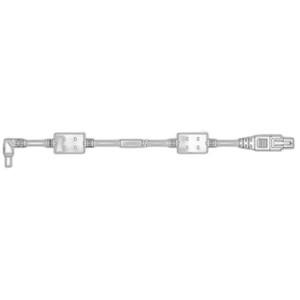
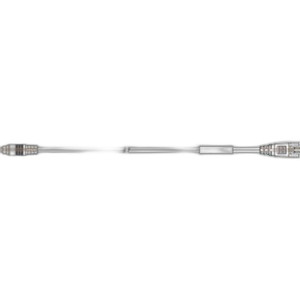
Zebra CBL-36-452A-01 Forklift DC PSU Adapter Cable
Overview
The Zebra CBL-36-452A-01 is a DC power supply adapter cable purpose-built for warehouse and logistics operations that integrate mobile data collection terminals directly into forklift electrical systems. This cable bridges vehicle electrical power to Zebra mobile scanners and computers, eliminating the dependency on battery swaps during extended picking, sorting, and inventory cycles. The CBL-36-452A-01 (often searched as CBL 36 452A 01) enables true continuous operation — critical in high-throughput distribution centers where downtime per vehicle translates directly to lost throughput.
Key Features
- Direct Forklift Integration: Taps vehicle electrical power at rated DC voltage, delivering stable power to mounted terminals without battery depletion. Eliminates hourly charging cycles that interrupt picking operations.
- Compatibility with -251 and -252 Series: Works with Zebra mobile scanners and data terminals in the -251 and -252 product lines. Confirm your exact model against the compatible series before ordering — mismatched connectors waste time on-site.
- Reliable Power Delivery: Built for the electrical noise and vibration of warehouse vehicles. Maintains consistent voltage supply despite the switching loads typical in forklift environments.
- Simplified Wiring: Reduces cable clutter and custom harness fabrication. The adapter cable connects directly to vehicle power distribution without requiring a technician to splice into existing forklift wiring.
- Extended Shift Capability: Operators can run a single device for entire 8–12 hour shifts without returning to a charging station. Material handling velocity increases when scanning hardware stays powered and mounted throughout the job.
- Reduced Ownership Cost: Eliminates the need for spare batteries and chargers for each mounted terminal. One cable per vehicle scales more cost-effectively than a battery rotation pool across a fleet.
Integration & Compatibility
The CBL-36-452A-01 integrates with Zebra warehouse automation platforms. Confirm that your forklift electrical system supplies the correct voltage for the target -251 or -252 scanner — verify against the vehicle's power specification sheet before installation. Installation typically requires splicing into the vehicle's power distribution panel or tapping an auxiliary circuit breaker. Consult a warehouse systems integrator or your fleet maintenance team to confirm safe integration points and compliance with vehicle manufacturer wiring guidelines.
This cable is not a standalone product — it requires a compatible Zebra mobile terminal, a vehicle power source, and basic electrical integration. Do not attempt installation without understanding the target device's power specifications and the forklift's electrical architecture.
Frequently Asked Questions
Q: Is the CBL-36-452A-01 compatible with all Zebra mobile scanners?
A: No. The CBL-36-452A-01 is designed specifically for Zebra -251 and -252 series scanners and terminals. Verify your exact model number before purchase. Other Zebra product lines use different connector types and power specifications.
Q: What voltage does the CBL-36-452A-01 require from the forklift?
A: Check the Zebra scanner's power input specification. Most forklift DC systems operate at 12V or 24V. Confirm your vehicle's output voltage matches the terminal's input requirement — mismatch will damage the device.
Q: Can I install the CBL-36-452A-01 myself?
A: Installation requires basic electrical wiring skills and familiarity with your forklift's power panel. If you lack experience splicing into vehicle electrical systems, contact your fleet maintenance team or a warehouse systems integrator. Incorrect installation can create safety and fire hazards.
Q: Does the cable include mounting hardware for the terminal?
A: The CBL-36-452A-01 is a power adapter cable only. Mounting brackets, clamps, and fasteners are sold separately. Verify mounting compatibility with your terminal model and forklift frame type.
Q: Will using forklift power instead of a battery affect the scanner's performance?
A: No. DC power from a vehicle electrical system, when properly regulated, supplies stable voltage to the terminal. Actual scanning speed and accuracy depend on the terminal's processing power and barcode quality, not the power source.
Q: What if my forklift's electrical system is 48V?
A: The CBL-36-452A-01 is designed for standard forklift voltages (typically 12V or 24V DC). If your vehicle uses 48V or a non-standard voltage, contact Zebra technical support or your integrator for alternative solutions.
Ted PerryPerspective based on aggregated IP Security Depot and affiliated engineering team experience.
The CBL-36-452A-01 solves a real operational bottleneck in warehouse automation: battery swaps. I've seen distribution centers lose 2–3% throughput to scanner batteries depleting mid-shift. Forklift-mounted terminals powered directly from vehicle electrical systems eliminate that friction entirely — operators finish shifts without returning to a charging dock.
Technical Highlights:
- DC Power Integration: Bridges vehicle electrical systems to Zebra -251/-252 terminals without battery cycling. A fully charged terminal running all day from vehicle power beats a battery rotation pool from both cost and uptime perspectives.
- Series Compatibility: Narrow compatibility window (-251 and -252 only) means you must verify your model before ordering. A wrong connector wastes a technician visit and delays the installation.
- Voltage Dependency: Standard forklift systems run 12V or 24V DC. If your fleet uses non-standard electrical architecture (e.g., 48V, mixed AC/DC hybrid), the CBL-36-452A-01 will not work — no workarounds.
Deployment Considerations:
- Installation is not plug-and-play. Splicing into forklift electrical systems requires a technician comfortable with 12V/24V DC wiring, circuit protection, and vehicle electrical codes. A poor splice creates fire risk.
- Vehicle electrical noise and switching transients are real concerns. The cable handles typical warehouse equipment load, but a forklift with a failing alternator or corroded ground connections will cause intermittent terminal drop-outs — troubleshoot the vehicle first.
- Mounting is separate. You need terminal brackets, cable routing, and strain relief hardware matched to your forklift frame. Budget for custom fabrication if your vehicle frame doesn't match standard mounting patterns.
Deploy the CBL-36-452A-01 in high-velocity distribution operations where picking velocity directly impacts revenue. If your warehouse handles 200+ picks per hour per operator and currently burns $8–12k annually on spare batteries and chargers, the power and cost savings justify the integration effort. For low-velocity operations (under 50 picks/hour), battery terminals are simpler and cheaper.