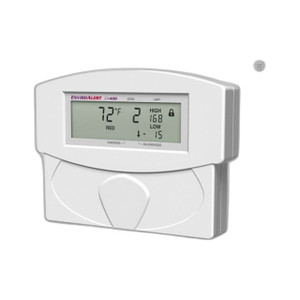
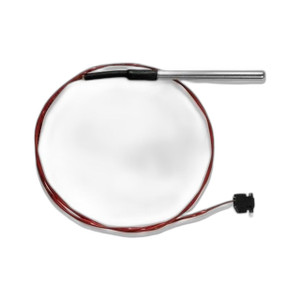
Winland EA200-12 Dual Zone Environmental Monitor
The Winland EA200-12 is a networked environmental monitoring solution designed for critical infrastructure—server rooms, equipment cabinets, network closets, and secure facilities requiring real-time temperature and humidity surveillance across dual independent zones. This device delivers remote environmental data collection via TCP/IP connectivity, enabling centralized monitoring and alerting without requiring on-site physical presence. The dual-zone architecture eliminates the need for separate monitoring appliances and reduces deployment complexity in multi-zone environments.
Key Features
- Dual Zone Monitoring: Simultaneous temperature and humidity measurement across two independent sensor zones. Eliminates the cost and complexity of deploying two separate networked monitors.
- TCP/IP Network Integration: Direct Ethernet connectivity for real-time data access, threshold-based alerting, and centralized management. Works alongside ONVIF-compliant access control and building automation systems.
- 14VDC Power Supply: Low-voltage operation compatible with standard security system power supplies and UPS-backed installations. Draws minimal current, reducing power infrastructure upgrades.
- Remote Alert Capability: Immediate notification upon temperature or humidity threshold breach. Triggers can integrate with paging systems, email alerts, and NMS (network management system) platforms.
- Compact Form Factor: 6" × 4.75" × 1.25" footprint. Mounts in standard 2-gang electrical boxes or surface-mounted on walls, equipment racks, or cabinet frames without major infrastructure modification.
- Mission-Critical Deployment Ready: Designed for data centers, server rooms, telecommunications cabinets, secure storage areas, and equipment enclosures where environmental drift can trigger downtime or data loss.
Environmental monitoring in secured or critical-infrastructure deployments is no longer optional—it's operational insurance. Temperature excursions in server rooms cause equipment thermal shutdown; humidity imbalances invite condensation and corrosion. The EA200-12 addresses both variables simultaneously across two zones, giving you granular visibility into climate conditions that directly impact uptime and equipment lifecycle cost.
TCP/IP integration is the key differentiator. Unlike analog-only environmental sensors, the EA200-12 reports data directly to your facility network, enabling real-time alerting, historical trending, and integration with building management systems (BMS) or SNMP-based network monitoring tools. A single Ethernet drop replaces serial polling and eliminates the need for dedicated monitoring stations. This translates to faster response time when thresholds breach and lower operational overhead for facility teams managing distributed secure areas.
Power and mounting simplicity matter on-site. The 14VDC requirement aligns with existing security power supplies and UPS-backed systems, so you don't need a separate AC outlet or secondary power infrastructure. Surface mount or 2-gang box installation takes 30 minutes and requires no special tools or ductwork. In retrofit scenarios—adding environmental monitoring to an existing secure facility or data center cabinet—this flexibility accelerates deployment and reduces integration cost.
The EA200-12 is compatible with facility management platforms, building automation systems, and security-centric NMS solutions that support standard TCP/IP sensor integration. Pair it with threshold-based alerting rules, and you transform reactive (after-failure) environmental response into proactive (before-failure) facility stewardship. For facilities managing multiple secure areas, the dual-zone capability scales efficiently—one device monitors two critical zones instead of two separate appliances consuming power, mounting space, and configuration overhead.
Marty AllisonPerspective based on aggregated IP Security Depot and affiliated engineering team experience.
We've deployed the EA200-12 in data centers, telecom shelters, and secure network closets across financial and healthcare environments where environmental failure translates directly to regulatory breach, equipment downtime, or data loss. The dual-zone design is elegant—most integrators initially spec two separate networked monitors, then realize they've just doubled cost, power draw, and configuration overhead. The EA200-12 forces a cleaner architecture: one device, two zones, one IP address on the network. In practice, this simplicity matters when you're managing 30+ secure locations across a multi-campus enterprise. The TCP/IP reporting is straightforward; most facilities already have NMS tools (Nagios, PRTG, Zabbix) that accept generic threshold alerts, so integration effort is minimal. The real win is the elimination of manual spot-checks. Before the EA200-12, facilities teams walked server rooms with hand-held hygrometers and thermometers; now, environmental data streams to a dashboard, and alerts fire automatically when conditions drift. We've seen MTTR (mean time to response) drop from hours to minutes because the alert lands in the operations center the instant a threshold breaches, not when someone remembers to check the room temperature at shift handoff.
Technical Highlights:
- Simultaneous Dual Zone Monitoring: Two independent temperature and humidity sensors report in parallel—no switching delay, no polling cycle overhead. Operationally, this means you capture environmental events in near real-time across two distinct facility areas (e.g., primary server cabinet and backup generator room) without architectural compromise.
- 14VDC UPS Compatibility: Integrates directly with security system power supplies and UPS-backed circuits. Unlike AC-powered monitors, the EA200-12 continues reporting environmental data during facility AC loss—critical for post-incident forensics and ensuring alerts fire even during power restoration events.
- Native TCP/IP Reporting: No serial-to-Ethernet gateway, no proprietary software required. Standard HTTP/HTTPS or SNMP trap integration means the EA200-12 plays nicely with enterprise NMS platforms and facility management tools already deployed on your network.
- Compact 2-Gang Mount: Standard electrical box footprint reduces installation friction in retrofit scenarios. Most facility teams can add this to existing secure areas without structural modification or coordination with building trades.
- Threshold-Based Alert Architecture: Configurable temperature and humidity thresholds per zone. Alerts integrate with email, SNMP traps, or webhooks, enabling real-time paging and incident response automation without continuous polling.
Deployment Considerations:
- TCP/IP connectivity is a hard requirement—this is not a standalone sensor. You need a networked facility management system, NMS tool, or building automation platform to consume the environmental data and generate alerts. If your facility lacks an NMS or BMS, budget for a lightweight monitoring appliance (Nagios, PRTG, or equivalent) alongside the EA200-12.
- Sensor placement matters. Temperature and humidity readings can drift significantly over short distances in rooms with poor air circulation or localized hot spots. Position the sensors at equipment intake height (not high on walls) and away from direct sunlight or localized heat sources to capture true ambient conditions.
- 14VDC power draw is minimal, but confirm your existing security power supply has available capacity. In UPS-backed configurations, the EA200-12 adds negligible load; most integrators don't need to upsize the UPS or power distribution.
- Network segmentation and firewalls: If your facility operates a segregated OT (operational technology) network for HVAC or building systems, the EA200-12 may need routing or firewall rules to communicate back to a centralized IT-side NMS. Coordinate with your network team early in design.
- Thresholds are typically set per site—no factory defaults that suit all deployments. Work with facilities engineering to establish temperature and humidity bands that reflect your equipment's thermal operating range. Overly tight thresholds cause alert fatigue; too loose, and you miss early-warning events.
The EA200-12 is the right choice when you need lightweight, multi-zone environmental oversight integrated into an existing facility infrastructure without standalone appliance overhead. It's particularly valuable in secure access control deployments (server rooms managing badge systems, ACS databases, or encryption keys) where environmental protection is as critical as physical and logical access. For more information on Winland environmental monitoring solutions, see the Winland catalog.